Discover exceptional hospitality across 18 regions — and give back with every listing.
100% of proceeds to Philippine Red Cross
What We Offer
Send Money & Load
- Send Money — free
- Send Load — free
- Ask a Question about the Philippines
Simple, no-cost services for the community.
Business Listings
- Instant Listing — ₱99.00 ($1.99), no expiration
- Free Listing — ₱0.00, unlimited submissions
- Featured Listing — ₱999.00/year ($19.99)
Dining, Lodging, Outdoor Activities, and Nightlife categories.
Philippines Gifts
- Philippines-themed gifts available
- Every purchase supports the Philippine Red Cross
Share a piece of the Philippines with someone special.
Across Every Region
From the rolling hills of the Ilocos Region and the highlands of Cordillera, through the vast Cagayan Valley and the vibrant streets of the National Capital Region, down to the pristine shores of MIMAROPA and the fiery landscapes of Bicol — Salamat Philippines brings together listings that span all 18 regions. Whether you're drawn to Western Visayas, the Negros Island Region, Central or Eastern Visayas, or the southern reaches of Zamboanga Peninsula, Northern Mindanao, Bangsamoro, Caraga, SOCCSKSARGEN, and Davao Region, there is something here waiting to be discovered.
Featured listings have included Herbie's Catering & Events (serving since 2007, phone 0915-3545079, 59 Acapulco), ABC Hotel (phone +63 45 892 2222, Don Juico Avenue), and the BenCab Museum (phone +63 74 442 7165, Km 6 Asin Road). Browse, upvote your favorites, and sign the guest book to say Salamat.
Living sculptures above Badian: Cebu's mountain bonsai haven
Tucked into the rolling hillsides above the southwestern coast of Cebu, the Bonsai Garden and Mountain View in Badian rewards travellers who trade the beach towel for hiking shoes. The garden pairs traditional horticultural craftsmanship with sweeping panoramas across the Tañon Strait, and it has quietly become one of the most photographed stops on the island outside the usual resort circuit. Australian visitors who usually head straight for Boracay or Palawan often miss this inland slice of Cebu, but the detour pays off in fresh mountain air and the kind of slow travel that pairs naturally with a longer Philippine holiday.
For travellers planning a multi-stop Cebu itinerary, the garden fits neatly between a canyoneering morning at Kawasan Falls and an afternoon trip south toward Oslob. Because the entrance fee is modest and the walk is gentle, it works for couples, families with older children, and anyone who has spent too many days swimming and wants a quieter cultural encounter. Bring curiosity more than anything else, and you will leave with photographs that look like they belong in a gallery rather than a travel album.
Flying into Cebu from down under
Australian travellers typically depart from Sydney or Melbourne on direct flights to Manila, then transfer to a short domestic hop into Mactan-Cebu International Airport. Carriers including Philippine Airlines, Cebu Pacific, and Jetstar run the trunk routes, and Brisbane-based flyers can often connect through Sydney for similar fares. Once on the ground in Cebu, expect a ninety-minute to two-hour drive south to Badian depending on whether you hire a private car, share a van, or board one of the air-conditioned Ceres Liner buses that leave Cebu City South Bus Terminal throughout the day.
Australians enjoy visa-free entry into the Philippines for stays up to thirty days, which lines up neatly with most school holiday windows and the long-service leave patterns common in Sydney and Perth workplaces. Before departure, registering with Smartraveller and checking the latest health and safety advisories is wise, particularly during typhoon season between June and November. Carrying a small amount of Philippine peso in cash covers terminal tricycle rides and the entrance fee at the garden, and Australian debit cards work in most ATMs in Cebu City, though smaller towns can be hit-and-miss with foreign-issued plastic.
How a hillside became a garden
The Bonsai Garden in Badian was developed by a local family with deep roots in the barangay, transforming a former cattle pasture into a curated outdoor gallery of miniature trees. Many of the specimens were rescued from older private collections across Cebu and the Visayas, while others have been trained on-site for over a decade using traditional Filipino pruning methods. The result feels both rural and refined, with earthen pathways threading between stone-edged planters and wooden viewing decks.
Bonsai has a quiet following in the Philippines, often traced back to Chinese-Filipino merchant families who brought the practice into Manila's old commercial districts. Australians familiar with the bonsai collections at the National Arboretum in Canberra or the displays in the Royal Botanic Gardens Sydney will notice the parallels, but the tropical species here are different, with banyan, narra, and tropical ficus dominating the collection. The garden keeps a small nursery where saplings are shaped over years before being moved to public display, so visitors literally see multiple generations of trees at once.
Wandering through the collection
The garden is laid out in a series of terraced loops that rise gently toward the ridge, with shaded benches placed at intervals for those who want to sit with a particular tree. Most pieces are labelled with the species, approximate age, and style classification, ranging from formal upright to cascade. Visitors who arrive mid-morning catch the softest light filtering through the leaves, while late afternoon brings a golden tone that flatters both the foliage and the stonework beneath each pot.
Photographers should bring a fifty-millimetre equivalent lens or a mid-range zoom, as the garden's narrow paths make wide-angle glass less practical. Tripods are welcomed when foot traffic is light, and the staff appreciate visitors who keep bags clear of the planters. A small kiosk near the entrance sells cold buko juice and locally grown coffee, and a shaded pavilion accommodates picnickers, a setup that has made the site popular with Sydney- and Melbourne-based Filipino-Australians visiting relatives in Cebu and looking for a comfortable day stop between family gatherings.
Panoramas across the mountains
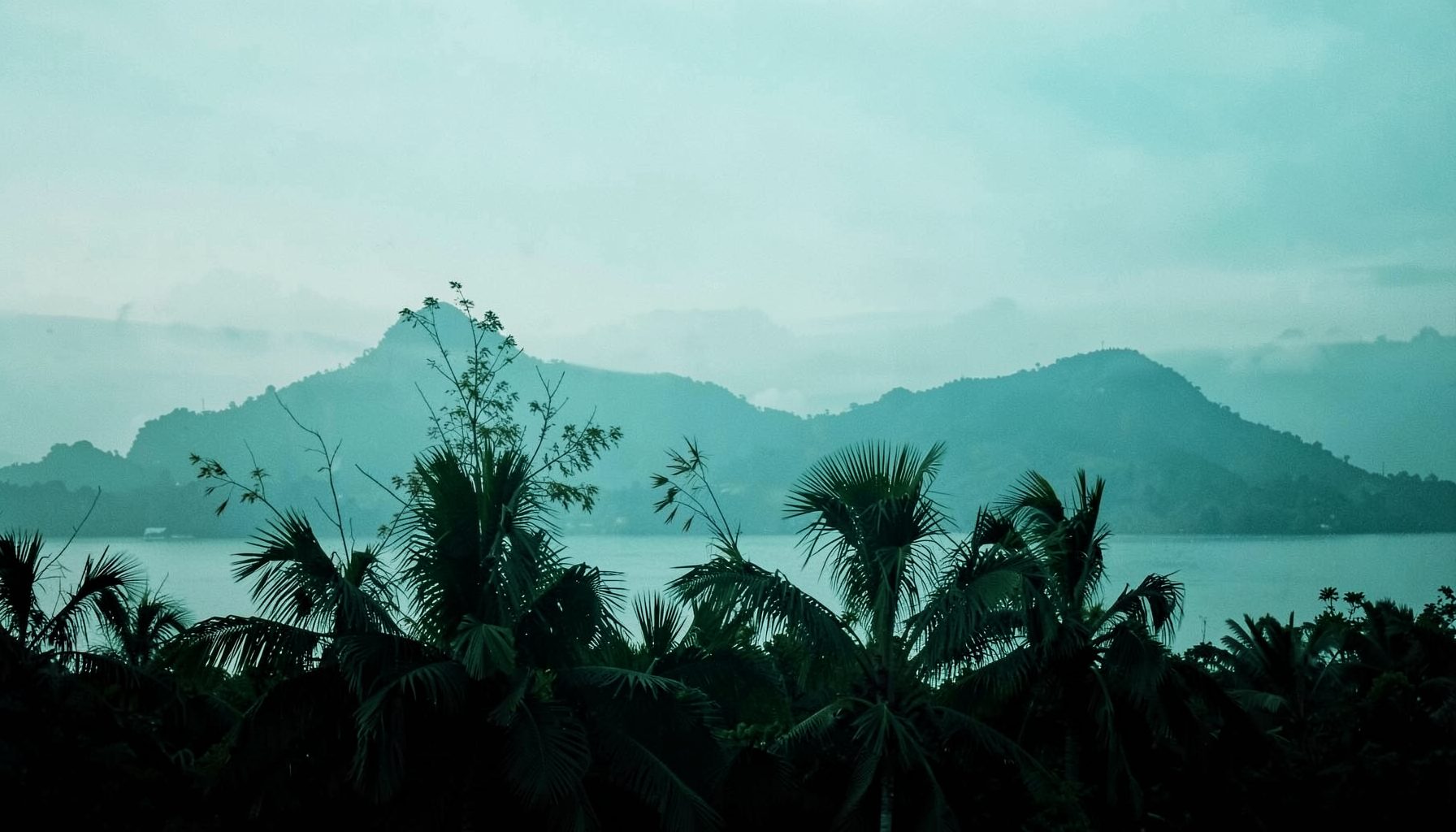
The mountain view itself comes into its own at the garden's upper terrace, where a wooden deck cantilevers over the slope and frames the jagged ridgelines of Cebu's interior highlands. On clear mornings, the Tañon Strait glitters between the mountains and the coast of Negros Oriental, and on the best days you can spot the distant peak of Osmeña Peak, the highest point on the island. A simple railing keeps visitors safe from the drop, and a row of planted agoho trees along the deck edge softens the wind that rolls up from the valley.
The viewing area makes a natural pause before the descent, especially for guests who arrived early to beat the heat. Compare the experience to a drive through the Blue Mountains west of Sydney or a hike in Queensland's Granite Belt, and you get a sense of how tropical highland scenery trades eucalypt and sandstone for bamboo and limestone. Sunsets here are short but vivid, with the sky turning copper within twenty minutes of the first orange glow, so timing the drive down with a headlamp or a pre-arranged pickup is sensible.
Pairing the garden with other Cebu adventures
Most travellers combine the bonsai garden with a visit to Kawasan Falls, the three-tiered cascade that anchors canyoneering routes through Badian's river gorges. Half-day tours typically start with a seven o'clock canyoneering session, followed by a late lunch and an early afternoon visit to the garden, an order that lets visitors miss the worst of the midday heat. The same operators often offer add-ons to Oslob for whale shark encounters, though Australians wary of animal-welfare concerns may prefer to skip that leg in favour of inland heritage towns.
For travellers with a few extra days, layering in a northern Cebu stop opens up whale watching off Bantayan or the heritage streets of Carcar, known for its leather work and chicharon. Travellers who enjoy exploring regional Philippines by multi-day loop often continue south by ferry toward Siquijor or Bohol, and those drawn to the cultural festivals of the southern provinces can plan around T'boli weaving communities and zipline circuits around Lake Sebu, as detailed in this Lake Sebu guide that complements a Cebu itinerary well.
Food, stays, and practical spending
Badian has a handful of resorts within a twenty-minute drive of the garden, ranging from family-run guesthouses with mountain-view balconies to a few mid-range properties that cater to weekending Manila residents. Room rates in Australian dollars typically run between A$45 and A$120 per night outside peak Holy Week and December holidays, with breakfast usually included. Eating options cluster around the public market in Badian town, where carinderia stalls serve generous portions of sinigang, kinilaw, and grilled pork for under A$6 a head.
Filipino-Australian visitors often ask about home-style cooking, and a number of small kitchens in the area now serve native dishes alongside Western breakfast staples like garlic rice and a longanisa sausage that resembles a milder version of a typical Aussie fry-up. Cash is king across the garden, the nearby resorts, and most eateries, so withdrawing peso before leaving Cebu City avoids ATM fees. Those who want to extend their trip beyond Badian can find a wide range of accommodation and dining options across the country through Salamat Philippines, which lists verified businesses in every region and channels part of its proceeds to the Philippine Red Cross.
Travelling with care in Badian
A few simple courtesies make a real difference at the garden. Stay on the marked paths, never lift or rotate a bonsai pot, and avoid reaching into the canopies to adjust branches for photos. The trees are decades in the making and easily damaged, and the staff are protective of their work without being unfriendly. Speaking quietly and moving at a calm pace also helps, as the site attracts visitors who come specifically for the silence.
The Philippines enforces some of Southeast Asia's strictest anti-smoking and single-use plastic rules, with fines issued under nationwide ordinances that mirror Australia's own public health legislation. Travellers familiar with the no-smoking zones in Sydney's CBD or the plastic bag bans in Western Australia will feel right at home. Pack a reusable bottle, refill at the garden's filtered water station, and leave any rubbish in the bins provided. A short visit, treated with care, leaves the bonsai looking just as striking for the next traveller who climbs the hill.

Get in Touch
Connect with Salamat Philippines on social media or send a message. We'd love to hear from you.
Facebook: /salamatphilippines
Twitter: @salamatphil
Instagram: @salamatphilippines
YouTube: salamat-philippines
LinkedIn: company/salamat-philippines
Email: [email protected]