Discover exceptional hospitality across 18 regions — and give back with every listing.
100% of proceeds to Philippine Red Cross
What We Offer
Send Money & Load
- Send Money — free
- Send Load — free
- Ask a Question about the Philippines
Simple, no-cost services for the community.
Business Listings
- Instant Listing — ₱99.00 ($1.99), no expiration
- Free Listing — ₱0.00, unlimited submissions
- Featured Listing — ₱999.00/year ($19.99)
Dining, Lodging, Outdoor Activities, and Nightlife categories.
Philippines Gifts
- Philippines-themed gifts available
- Every purchase supports the Philippine Red Cross
Share a piece of the Philippines with someone special.
Across Every Region
From the rolling hills of the Ilocos Region and the highlands of Cordillera, through the vast Cagayan Valley and the vibrant streets of the National Capital Region, down to the pristine shores of MIMAROPA and the fiery landscapes of Bicol — Salamat Philippines brings together listings that span all 18 regions. Whether you're drawn to Western Visayas, the Negros Island Region, Central or Eastern Visayas, or the southern reaches of Zamboanga Peninsula, Northern Mindanao, Bangsamoro, Caraga, SOCCSKSARGEN, and Davao Region, there is something here waiting to be discovered.
Featured listings have included Herbie's Catering & Events (serving since 2007, phone 0915-3545079, 59 Acapulco), ABC Hotel (phone +63 45 892 2222, Don Juico Avenue), and the BenCab Museum (phone +63 74 442 7165, Km 6 Asin Road). Browse, upvote your favorites, and sign the guest book to say Salamat.
Planning A Lake Sebu Adventure With Ziplining Falls And T’boli Crafts
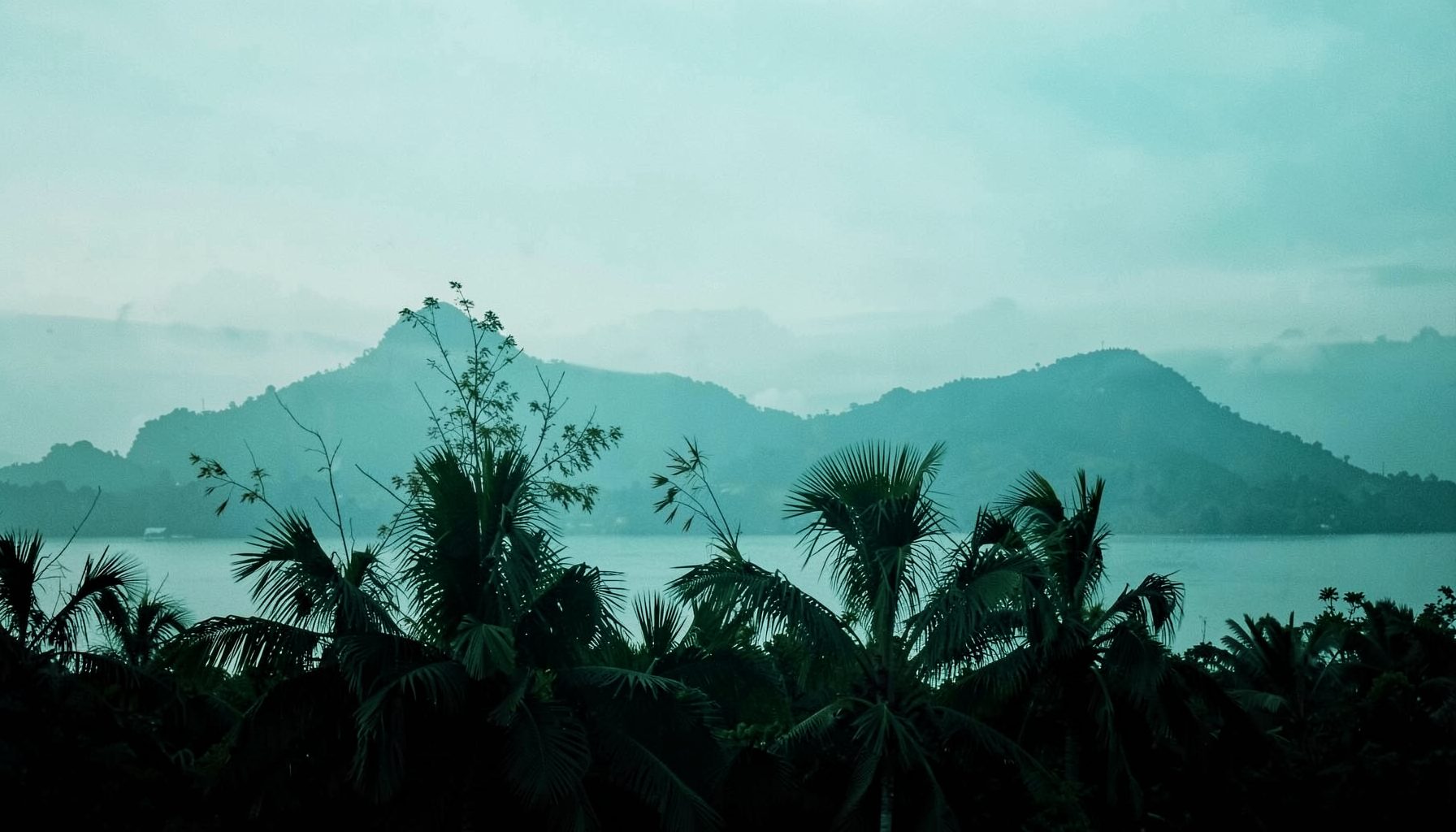
Lake Sebu is the kind of destination that rewards a slower travel style. Located in South Cotabato, the highland community is known for misty lakes, forested hills, waterfalls, cool mornings, and the living culture of the T’boli people. A visit can combine outdoor excitement with meaningful encounters, from riding a zipline above a green ravine to watching artisans create traditional textiles.
The area is often visited as a day trip from General Santos or Koronadal, but staying overnight gives the landscape room to unfold. Early boat rides are quieter, clouds gather beautifully over the water, and cultural experiences feel less hurried when they are not squeezed between transport schedules.
A thoughtful Lake Sebu itinerary should balance adventure, rest, and respect. Plan around local weather, arrange cultural visits through appropriate hosts, and leave space for conversations, craft demonstrations, and meals featuring ingredients from the surrounding highlands.
Reaching Lake Sebu And Choosing A Base
Most visitors reach Lake Sebu by traveling from General Santos City, approximately three to four hours away by road depending on traffic and conditions. Another common route begins in Koronadal City, the capital of South Cotabato, followed by a winding drive into the highlands. Shared vans, buses, and private vehicles can be found, although schedules may change, so confirming departure times locally is sensible.
The final approach includes uphill roads and stretches that may be rough or slippery during rain. A private car or hired van offers greater flexibility for visiting the Seven Falls, lakeside communities, and craft workshops. Motorcycle travel can be convenient for experienced riders, but steep roads, sudden weather changes, and limited lighting call for extra caution.
Lakeside accommodations range from simple homestays to small resorts and cottages. Staying close to Lake Sebu itself makes sunrise activities easier and reduces the need to travel back to the lowlands after a full day. Look for a host who can help arrange boat rides, guides, cultural visits, and transport to nearby attractions.
Choosing The Right Season And Pace
Lake Sebu has a cooler climate than many Philippine destinations because of its elevation. Rain can arrive quickly, even during otherwise pleasant days, so lightweight waterproof clothing and footwear with reliable grip are valuable throughout the year. The wettest conditions can affect roads, zipline operations, waterfall access, and lake visibility.
Dry mornings are often ideal for sightseeing. A boat ride at sunrise may reveal calm water and distant hills before wind and cloud cover increase. Starting early also helps visitors avoid the busiest periods at popular attractions and leaves the afternoon available for weaving demonstrations or relaxed exploration.
Two nights is a comfortable minimum for travelers who want both adventure and cultural experiences. A single night can work with careful planning, but it may feel rushed if transport delays occur. Three days allow time for weather changes and create a better chance of enjoying the destination without treating every stop as a photo opportunity.
Riding The Seven Falls Zipline
The Seven Falls area is one of Lake Sebu’s best-known adventure sites. Its clustered waterfalls cut through a dramatic green landscape, and the zipline provides a high viewpoint over the valley. Depending on the current operating setup, visitors may ride across the gorge in a seated or prone position, with staff managing safety equipment and launch procedures.
The experience is brief but exhilarating. Expect strong wind, sweeping views, and a perspective that makes the surrounding forest and falls feel much larger than they appear from the ground. Wear secure shoes, avoid loose accessories, and use a phone strap if photography is permitted. Operators may pause rides when rain, wind, or other conditions make the line unsafe.
Allow time to explore viewpoints and walking areas rather than arriving just before closing. The falls can look different after rainfall, when water volume increases, although trails may become muddy. Follow barriers and instructions, because wet rocks and steep edges can be dangerous even when the route appears manageable.
Exploring Waterfalls And Lake Landscapes
The Seven Falls are usually experienced through a combination of viewpoints, short walks, and transport between accessible sections. Not every waterfall has the same level of access, and routes may change because of weather, maintenance, or local safety decisions. Treat the advertised attractions as a starting point rather than assuming every trail will be open.
A boat ride on Lake Sebu offers a gentler contrast to the zipline. The water reflects the surrounding slopes, while floating gardens, fishing activity, and lakeside homes reveal how closely daily life is tied to the lake. An early trip is generally more peaceful, and a local boat operator can explain which areas are appropriate to visit and photograph.
Outdoor activities work best when visitors keep their footprint light. Carry reusable water containers, take all rubbish back with you, and avoid touching plants or entering restricted areas. Swimming should be limited to places where local authorities or hosts say it is safe, since water conditions and boat traffic vary.
Meeting T’boli Artisans And Their Living Traditions
The T’boli are an Indigenous people of Mindanao with a rich artistic heritage. Lake Sebu is particularly associated with t’nalak, a handwoven abaca textile traditionally made from fibers prepared from the abaca plant. The designs carry cultural meaning and are connected to the dreams and creative knowledge of T’boli weavers, often called dreamweavers.
A responsible craft visit is more valuable than a quick purchase. Ask whether demonstrations are open to visitors, listen when an artisan explains the process, and request permission before taking photographs. Weaving is detailed work that can take considerable time, so avoid treating a handmade piece as if it were a factory souvenir.
T’boli artistry also includes beadwork, brass ornaments, musical instruments, and traditional clothing. Buying directly from an artisan group, cooperative, or trusted community outlet helps keep income connected to the makers. Ask about the materials, care instructions, and story of a piece before purchasing, especially when a design has ceremonial or personal significance.
Food offers another respectful way to engage with local culture. Regional dishes may include freshwater fish, vegetables, rice, and indigenous ingredients prepared in home-style ways. Travelers who enjoy learning through food can also explore a Filipino cooking class before or after the trip to better understand the ingredients and techniques they encounter across the country.
Building A Flexible Lake Sebu Itinerary
A practical schedule places the most weather-sensitive activities earlier in the day. The following outline assumes two nights and can be adjusted according to transport, opening hours, and local advice.
| Day | Morning | Afternoon | Evening |
|---|---|---|---|
| Arrival day | Travel from General Santos or Koronadal | Check in and explore the lakeside area | Local dinner and early rest |
| Adventure day | Sunrise boat ride on Lake Sebu | Seven Falls viewpoints and zipline | Relax at the accommodation |
| Culture day | T’boli weaving or craft visit | Shop directly from artisans and begin the return journey | Overnight in the lowlands or continue if transport is arranged |
This plan leaves breathing room, but it should not be treated as a fixed timetable. A delayed van, heavy rain, or a closed activity may require rearranging the order. Confirm the next day’s transport before dinner, particularly if traveling onward to General Santos for a flight.
If a craft visit is your priority, arrange it before arriving whenever possible. Some artisans do not operate like conventional attractions, and a host or community contact can help ensure that the visit is welcome and properly compensated. Cultural tourism is strongest when the community controls how its traditions are presented.
Preparing For Comfort Safety And Respect
Packing for Lake Sebu requires both outdoor practicality and cultural sensitivity. A light jacket is useful for cool mornings, while a rain shell protects against sudden showers. Bring insect repellent, sunscreen, a dry bag, modest clothing, sturdy sandals or trail shoes, and enough cash for small purchases because card and mobile payment access may be limited.
Keep valuables secure during boat trips and adventure activities. Follow the instructions of zipline staff, boat operators, guides, and accommodation hosts even when a route looks familiar. If you have a medical condition, fear of heights, or mobility limitation, discuss it with the operator before paying for an activity.
A few simple habits make a significant difference:
- Ask permission before photographing people, homes, ceremonies, or handmade work.
- Buy t’nalak, beadwork, and brass crafts through artisans or reputable community outlets.
- Use refillable containers and carry rubbish until a suitable disposal point is available.
- Dress modestly when visiting villages, cultural spaces, or family-run workshops.
- Confirm prices, transport arrangements, activity rules, and cancellation policies in advance.
The most meaningful souvenirs are often the ones connected to a real exchange. Learn the name of the maker when appropriate, ask how to care for the textile, and avoid bargaining so aggressively that the labor behind the piece is dismissed. A fair purchase recognizes both cultural value and the hours required to produce it.
Lake Sebu also benefits from visitors who share accurate, current information. Conditions at waterfalls, roads, and activity sites can change, so check with local providers rather than relying solely on old social media posts. A travel directory can help compare hospitality, dining, outdoor, and cultural listings before departure, while map-based browsing makes it easier to understand distances between stops.
Use Salamat Philippines to discover places to stay, eat, and explore across the region, then save enough time for the parts of the journey that cannot be scheduled: a quiet lake at dawn, the sound of a loom, or a conversation with a local host. Plan your route, support community-based businesses, and make Lake Sebu an adventure that leaves value behind as well as memories.

Get in Touch
Connect with Salamat Philippines on social media or send a message. We'd love to hear from you.
Facebook: /salamatphilippines
Twitter: @salamatphil
Instagram: @salamatphilippines
YouTube: salamat-philippines
LinkedIn: company/salamat-philippines
Email: [email protected]