
Discover exceptional hospitality across 18 regions — and give back with every listing.
100% of proceeds to Philippine Red Cross
What We Offer
Send Money & Load
- Send Money — free
- Send Load — free
- Ask a Question about the Philippines
Simple, no-cost services for the community.
Business Listings
- Instant Listing — ₱99.00 ($1.99), no expiration
- Free Listing — ₱0.00, unlimited submissions
- Featured Listing — ₱999.00/year ($19.99)
Dining, Lodging, Outdoor Activities, and Nightlife categories.
Philippines Gifts
- Philippines-themed gifts available
- Every purchase supports the Philippine Red Cross
Share a piece of the Philippines with someone special.
Across Every Region
From the rolling hills of the Ilocos Region and the highlands of Cordillera, through the vast Cagayan Valley and the vibrant streets of the National Capital Region, down to the pristine shores of MIMAROPA and the fiery landscapes of Bicol — Salamat Philippines brings together listings that span all 18 regions. Whether you're drawn to Western Visayas, the Negros Island Region, Central or Eastern Visayas, or the southern reaches of Zamboanga Peninsula, Northern Mindanao, Bangsamoro, Caraga, SOCCSKSARGEN, and Davao Region, there is something here waiting to be discovered.
Featured listings have included Herbie's Catering & Events (serving since 2007, phone 0915-3545079, 59 Acapulco), ABC Hotel (phone +63 45 892 2222, Don Juico Avenue), and the BenCab Museum (phone +63 74 442 7165, Km 6 Asin Road). Browse, upvote your favorites, and sign the guest book to say Salamat.
Why The Philippines Is Better In The Off-Season
The Philippines is often imagined as a dry-season escape: bright beaches, calm seas, and busy island resorts from December through May. That popular travel window has its advantages, yet it also brings higher prices, fuller flights, and crowded attractions. Traveling during the quieter months can reveal a more relaxed and rewarding side of the country.
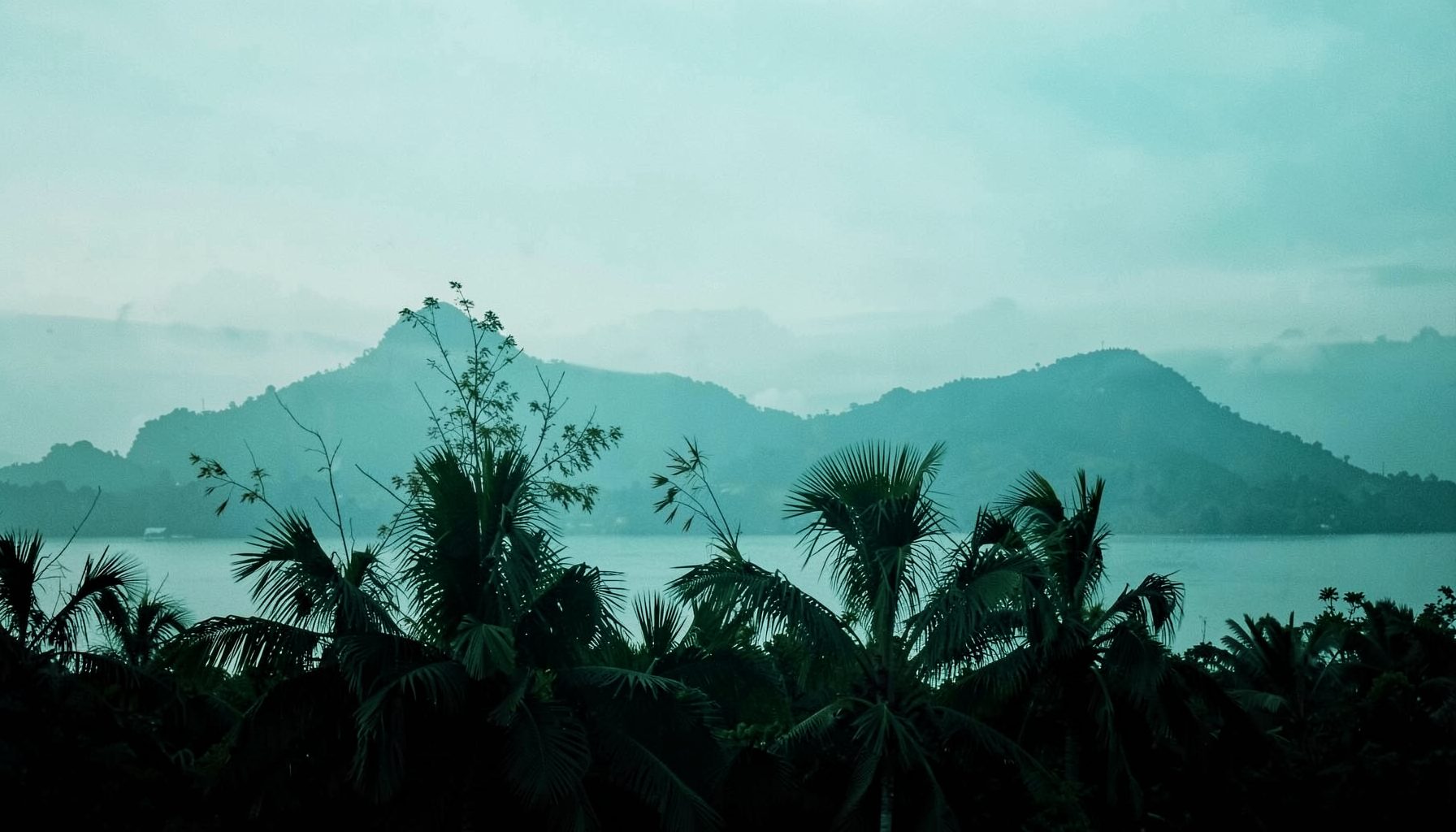
The off-season usually overlaps with the southwest monsoon, locally called habagat, from around June to October. Conditions vary considerably across the archipelago, and short rain showers do not automatically mean a ruined holiday. Some regions receive less rain than others, while many wet-season days still include several hours of sunshine.
For travelers who plan with flexibility, the lower-season calendar can create opportunities that are difficult to find during peak periods. Accommodation may be more affordable, popular sites feel less hurried, and local businesses have more time to share their food, culture, and stories.
Lower Prices And Better Availability
One of the clearest benefits of traveling outside the busiest months is value. Hotels, hostels, tour operators, and vacation rentals often reduce their rates when demand falls. Even when a property does not advertise a major discount, travelers may find better room categories, longer-stay offers, or complimentary extras.
Flights can also be less expensive, particularly when booked in advance and compared across different departure days. A flexible itinerary makes it easier to avoid expensive weekend travel and choose a route based on current fares. Domestic connections to destinations such as Palawan, Cebu, Bohol, and Mindanao may become more manageable when the overall trip budget is lower.
Availability improves along with price. During the high season, beachfront rooms and small family-run lodgings can sell out weeks or months ahead. In the quieter season, visitors have a better chance of booking a preferred neighborhood, securing adjoining rooms, or extending a stay after discovering a place they enjoy.
This flexibility is especially useful for business travelers, digital nomads, retirees, and expatriates exploring a possible move. A longer stay can combine a city base with provincial trips, allowing visitors to compare transport, healthcare access, dining, and everyday living costs without rushing through a fixed vacation schedule.
Quieter Beaches And Cultural Sites
Traveling during the low season changes the pace of a Philippine holiday. A beach in Boracay, Siargao, Panglao, or El Nido may feel far more spacious when fewer visitors are competing for boat seats, restaurant tables, and sunset viewpoints. Early mornings become peaceful rather than strategic, and there is less pressure to follow a crowded schedule.
Popular natural attractions also benefit from smaller visitor numbers. Travelers may spend more time swimming, photographing limestone formations, walking through mangrove forests, or watching the changing light over a rice terrace. Guides can often provide a more personal experience when groups are smaller.
Cultural travel becomes more engaging under the same conditions. Museums, heritage districts, churches, markets, and craft communities are easier to appreciate without constant noise or congestion. In cities such as Vigan, Iloilo, Cebu, Davao, and Manila, visitors can move between food districts and historic areas at a comfortable pace.
The quieter months can also encourage deeper interaction with residents. A café owner may recommend a neighborhood eatery, a tricycle driver may point out a local viewpoint, or a guide may explain traditions that are missed on a tightly scheduled group excursion. These everyday encounters often become the most memorable part of a trip.
Weather Creates A Different Kind Of Adventure
Rain in the Philippines is frequently dramatic but brief. A heavy afternoon shower can cool a hot town, refresh a forest trail, and leave the sky clear by evening. Rather than treating the forecast as a fixed verdict, travelers can build days around flexible activities and keep outdoor plans adjustable.
The rainy season is particularly attractive for nature lovers. Forests become lush, waterfalls can be more powerful, and mountain landscapes take on deeper shades of green. Rice fields, gardens, and volcanic slopes often look their most vibrant after regular rainfall. Photographers may also find striking skies and softer light that are less common during the dry months.
Conditions require sensible preparation. Waterproof bags, quick-drying clothes, sturdy footwear, and a compact umbrella are useful for nearly every itinerary. Travelers heading into colder, elevated areas should review practical advice such as this Cordillera packing guide before leaving for mountain communities.
Weather patterns differ by island and coast, so a nationwide assumption can be misleading. Eastern seaboards may experience different conditions from western beach areas, and a storm affecting one province may leave another region operating normally. Checking local forecasts, transport notices, and official advisories is essential, especially when traveling by ferry or joining an island-hopping tour.
| Travel Priority | Peak-Season Experience | Off-Season Advantage | Smart Approach |
|---|---|---|---|
| Accommodation | Higher rates and limited rooms | More choice and potential discounts | Compare flexible bookings |
| Beaches | Busy shorelines and full tours | Quieter coves and smaller groups | Choose destinations with varied activities |
| Nature trips | Firm schedules and early reservations | Greater flexibility, weather permitting | Keep one or two backup days |
| Dining | Queues at famous venues | Easier seating and local interaction | Explore neighborhood restaurants |
| Transport | Strong demand on popular routes | Fewer passengers on some services | Confirm schedules before departure |
| Photography | Predictable bright conditions | Dramatic skies and vivid greenery | Carry weather protection for equipment |
| Community impact | Concentrated visitor pressure | More even income across the year | Spend with local operators and small businesses |
More Meaningful Outdoor Experiences
The Philippines offers far more than a beach itinerary. Its mountains, wetlands, reefs, forests, caves, rivers, and agricultural landscapes support a wide range of low-season activities. Hiking, birdwatching, diving, canyoning, cycling, and wildlife tours can all be rewarding when planned around local conditions.
Birdwatchers may benefit from the quieter atmosphere and greener habitats of the wet months. Migratory and resident species appear across different ecosystems, from northern mountain forests to coastal wetlands and lowland parks. Travelers can use this guide to birdwatching destinations when shaping a route around nature reserves and productive habitats.
Water activities need a more careful assessment. Rain does not always prevent snorkeling or diving, but strong winds, poor visibility, and rough seas can lead to cancellations. Reputable operators will prioritize safety rather than pressure guests to depart. A flexible booking policy is valuable, and travelers should be willing to substitute a museum visit, food tour, or inland excursion when conditions change.
The same principle applies to mountain trips. Trails can become slippery, river levels may rise, and cloud cover can reduce visibility. Local guides understand these risks and can adjust routes appropriately. Hiring licensed guides supports rural communities while giving visitors better information about terrain, weather, wildlife, and local customs.
Food, Festivals, And Local Life
The low season is a rewarding time to focus on Philippine food. With fewer tourists, restaurants and market vendors may have more space to explain regional specialties. Visitors can move beyond familiar dishes and try food associated with particular provinces, such as Ilocos empanada, Bicol express, Bacolod chicken inasal, Cebu lechon, or Mindanao-style preparations.
Wet weather also creates natural opportunities for food-centered travel. A rainy afternoon is well suited to a long lunch, a bakery stop, a coffee crawl, or an evening at a family-run restaurant. In major cities, food halls and neighborhood eateries provide an accessible way to experience local flavors without spending heavily.
Festivals take place throughout the year, although dates vary by city and province. Some off-season celebrations feature religious traditions, agricultural products, music, dance, or regional identity. Visitors should check official schedules because events may change in response to weather, local regulations, or logistical concerns.
Local businesses often feel the difference between peak and low seasons. Choosing independent accommodations, community guides, small restaurants, and locally owned transport services helps distribute tourism income beyond large resort areas. A directory such as Salamat Philippines can help travelers discover hospitality providers, dining venues, outdoor activities, and attractions across all 18 Philippine regions.
How To Plan Around Rain And Storms
A successful low-season itinerary needs room to change. Avoid scheduling a ferry, flight, and major tour on the same day when possible. Adding a spare night before an important departure reduces stress if weather causes delays. It is also wise to avoid placing the most weather-sensitive activity at the very end of a short trip.
Choose a base with several types of attractions. An island destination with only boat excursions may become frustrating during rough seas, while a city or larger town can offer galleries, markets, historic sites, restaurants, wellness venues, and indoor cultural activities. Mixing coastal stops with inland destinations creates more options when conditions shift.
Travel insurance should cover weather-related interruption, medical care, and transport disruption. Read the policy carefully because coverage for natural disasters, pre-existing conditions, and canceled activities may have specific requirements. Keep digital and printed copies of essential documents, and save accommodation details where they remain accessible without mobile data.
Before each excursion, check local government announcements and listen to experienced operators. Avoid swimming in swollen rivers, entering closed trails, or taking unofficial boats during unsafe conditions. Basic preparation protects the trip while respecting the communities that manage these natural areas.
Choosing The Right Months And Regions
There is no single off-season experience across the Philippines. May and November often work as shoulder months, with a useful balance between moderate prices and more stable weather in many destinations. June through October can bring heavier rainfall, but regional conditions and individual storm systems vary.
Travelers who prioritize beaches may prefer a western island during a period with favorable local forecasts. Those interested in mountains, waterfalls, food, or urban culture can often build a successful trip even when coastal conditions are unsettled. Researching the specific province is more useful than relying on a broad national forecast.
A map-based travel directory makes this regional planning easier. Visitors can compare nearby attractions, find activities within a practical radius, and identify businesses in less familiar provinces. Upvoting favorite places and submitting useful listings can also help future travelers discover reliable local options.
The best itinerary may combine a major gateway with a less-visited destination. Manila, Cebu, or Davao can provide transport links and extensive services, while smaller towns offer a slower pace and more direct contact with local life. By spreading time and spending across several communities, visitors gain variety and help reduce pressure on heavily visited hotspots.
Practical Ways To Make The Most Of A Quieter Trip
- Book accommodations with free cancellation or flexible date changes.
- Pack quick-drying clothing, waterproof storage, reliable walking shoes, and a light rain jacket.
- Keep outdoor tours flexible and schedule important transport with extra time.
- Check local weather advisories, ferry notices, and operator updates every day.
- Support independent guides, family-run restaurants, community enterprises, and regional businesses.
A lower-season journey through the Philippines rewards curiosity and adaptability. The occasional rain may change a beach day, yet it can lead to a mountain excursion, a long meal, a quiet heritage walk, or an unexpected conversation with a local resident. The reward is a trip with more space, stronger value, and a closer connection to the places visited.
Browse destinations, lodging, restaurants, activities, and regional attractions on Salamat Philippines before setting out. Build a flexible route, support businesses across the country, and make your next Philippine adventure part of a travel season that benefits both visitors and local communities.

Get in Touch
Connect with Salamat Philippines on social media or send a message. We'd love to hear from you.
Facebook: /salamatphilippines
Twitter: @salamatphil
Instagram: @salamatphilippines
YouTube: salamat-philippines
LinkedIn: company/salamat-philippines
Email: [email protected]