Discover exceptional hospitality across 18 regions — and give back with every listing.
100% of proceeds to Philippine Red Cross
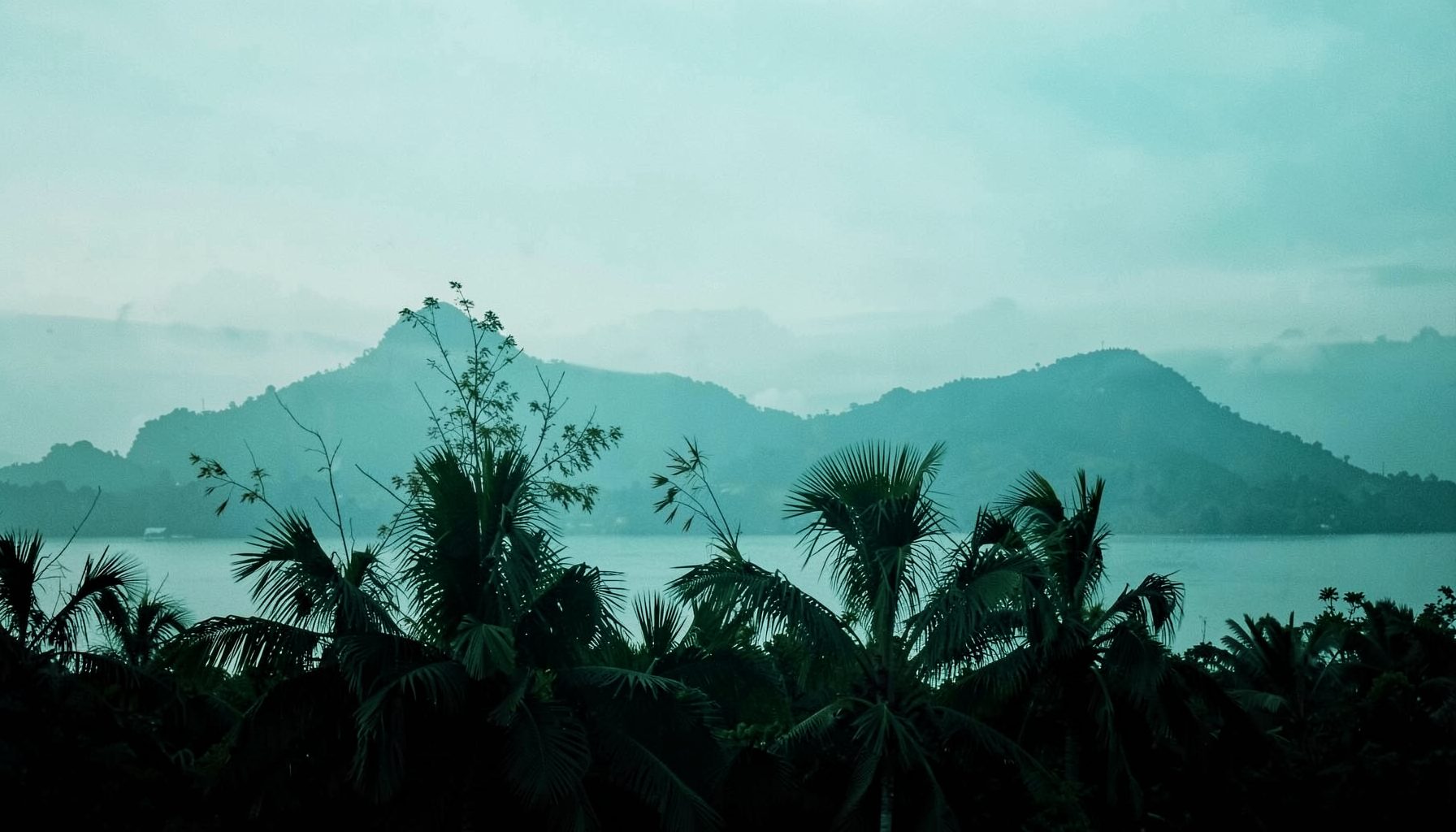
What We Offer
Send Money & Load
- Send Money — free
- Send Load — free
- Ask a Question about the Philippines
Simple, no-cost services for the community.
Business Listings
- Instant Listing — ₱99.00 ($1.99), no expiration
- Free Listing — ₱0.00, unlimited submissions
- Featured Listing — ₱999.00/year ($19.99)
Dining, Lodging, Outdoor Activities, and Nightlife categories.
Philippines Gifts
- Philippines-themed gifts available
- Every purchase supports the Philippine Red Cross
Share a piece of the Philippines with someone special.
Across Every Region
From the rolling hills of the Ilocos Region and the highlands of Cordillera, through the vast Cagayan Valley and the vibrant streets of the National Capital Region, down to the pristine shores of MIMAROPA and the fiery landscapes of Bicol — Salamat Philippines brings together listings that span all 18 regions. Whether you're drawn to Western Visayas, the Negros Island Region, Central or Eastern Visayas, or the southern reaches of Zamboanga Peninsula, Northern Mindanao, Bangsamoro, Caraga, SOCCSKSARGEN, and Davao Region, there is something here waiting to be discovered.
Featured listings have included Herbie's Catering & Events (serving since 2007, phone 0915-3545079, 59 Acapulco), ABC Hotel (phone +63 45 892 2222, Don Juico Avenue), and the BenCab Museum (phone +63 74 442 7165, Km 6 Asin Road). Browse, upvote your favorites, and sign the guest book to say Salamat.
Scuba Certification in Moalboal on a Real Budget
Moalboal sits on the southwestern coast of Cebu, roughly 90 kilometres from the city, and over the past decade it has quietly become one of the most popular places in the Philippines for people who want to learn to dive without spending a fortune. The town is small, the water is warm year-round, and the marine life sits so close to shore that boat trips are often just a few minutes long. Sardine runs, resident turtles, and occasional thresher shark sightings mean students can log impressive open-water dives during training, which is part of the reason the area has stayed competitive on price.
For Australians, the appeal is straightforward. A return flight from Sydney or Melbourne to Cebu can be booked with Jetstar or Cebu Pacific for a few hundred dollars if you avoid school holidays, and once on the ground, the cost of living is dramatically lower than back home. That gap is exactly what makes affordable diving certification courses in Moalboal feel like a genuine bargain rather than a compromise, with students often returning home Open Water certified for less than they would have paid for the theory alone at a Gold Coast dive shop.
Why Moalboal works for budget-conscious divers
The economics of diving here are shaped by geography and competition. The coastline between Panagsama Beach and Basdiot is lined with dive centres within walking distance of one another, which keeps margins tight and prices visible. A typical Open Water course, including the manual, confined water sessions, four open water dives, and certification fees, often lands somewhere between 18,000 and 25,000 Philippine pesos. At current exchange rates, that puts the full package somewhere around AUD 470 to 650, depending on where you book.
That figure is striking when you compare it to Australian prices, where a basic Open Water course commonly starts around AUD 700 and climbs quickly once you add gear hire and pool fees. The reason Moalboal can stay affordable is that the overheads are low. Most centres rent modest buildings near the beach, instructors live locally, and the training sites are minutes away rather than an hour's boat ride. Students also don't need to pay for accommodation at a resort, since the town has plenty of guesthouses charging 800 to 1,500 pesos a night for a clean room with a fan.
Course types and what they actually cost
Open Water is the entry-level certification recognised worldwide, and almost every centre in Moalboal offers it. The standard format is three to four days of theory, pool or confined water work, and four open water dives to a maximum depth of 18 metres. Some schools bundle the manual and logbook into the price, others charge separately, so it pays to ask. The next step up is the Advanced Open Water course, which adds five adventure dives including a deep dive and a navigation dive, and usually runs for two days at an extra 12,000 to 15,000 pesos.
Rescue Diver and Divemaster qualifications are also available locally, and a few centres run specialty courses like underwater photography or nitrox. Travellers who already hold an Open Water certificate from an Australian organisation such as PADI Australia or SSI Australia can complete their referral dives in Moalboal, doing the theory and pool work at home before flying over for the ocean portion. That option often works out cheaper than booking the whole course abroad, and the same kind of referral-friendly setup is common at Vietnam travel listings that connect divers with regional training centres in Southeast Asia.
Choosing the right school without getting burned
Price is only useful if the school teaches properly, so it is worth spending an hour comparing options before you commit. Look for centres affiliated with internationally recognised agencies such as PADI, SSI, or CMAS, and check that the instructor-to-student ratio is no more than one to four. Ask how many dives the instructor has logged in Moalboal specifically, because local conditions matter: currents, visibility, and the location of the marine life change through the year, and someone who has been on the same reef for years will run a calmer, more confident session.
It also helps to read reviews from previous students, especially Australians who tend to write detailed trip reports on forums and Facebook groups. Many centres display their reviews on Google Maps, and platforms like the Salamat Philippines directory let you compare listings side by side. Avoid any school that pushes you to pay for extras you didn't ask for, such as a private guide for a basic course, or one that books back-to-back open water dives without a proper surface interval. A practical check is to ask whether the school owns its own boats and compressors, since centres that do usually service their gear more reliably and are less likely to cancel dives at short notice.
Timing the booking to save even more
The dry season in the Visayas runs roughly from December to May, and during those months Moalboal fills up with European holiday-makers and Korean tour groups. Prices stay relatively stable year-round, but availability tightens between January and April, and popular instructors get booked out a week or two ahead. Travelling in the shoulder months of November or early June often means smaller class sizes, calmer seas, and a better chance of being matched with an instructor you actually click with.
The cheapest airfares from Australia tend to appear about eight to ten weeks before departure, with midweek flights on a Tuesday or Wednesday usually priced lower than weekend departures. Booking a course directly with the school rather than through a local Australian travel agent can also shave 10 to 15 percent off the total. A timing trick used by regular travellers is to start the course on a Monday or Tuesday, when many centres offer a small discount for off-peak start days. If you are flexible, combining a diving course with a few days in Cebu City first, or finishing with a couple of nights in Oslob, lets you build a richer trip without adding much to the budget.
Australian travel logistics that make the trip smoother
Flying from Australia to Cebu usually means a connection through Manila, Clark, or occasionally Singapore, and the entire journey lands somewhere between 11 and 16 hours door to door. Jetstar operates direct services from Sydney and Melbourne to Manila, with Cebu Pacific handling the short hop across to Cebu. Once on the ground, the bus from Cebu City South Bus Terminal to Moalboal takes around three hours and costs under 200 pesos, while a private transfer or shared van runs about 2,500 pesos for the whole car, which works out well if you are travelling in a small group.
Australians do not need a visa for stays under 30 days, which lines up neatly with the length of a typical Open Water course plus a bit of recovery time. Travel insurance is worth taking out, and several Australian providers now cover diving up to 40 metres as long as you declare it at the time of purchase. Bringing your own mask, snorkel, and computer is sensible, since you will use them every day and they are the items most often rented out in poor condition, while regulators, BCDs, and wetsuits are usually fine to hire on-site. The Australian dive community is tight-knit, and many shops back home will happily lend you gear for the trip if you ask nicely.
Beyond the course: making the most of Moalboal
The diving is the headline, but the town itself rewards a slower pace. Panagsama Beach is lined with small restaurants serving grilled fish, pork skewers, and the local version of sinigang, all for a fraction of what you would pay in Sydney or Brisbane. The nightly sardine run just off the beach means that even a casual snorkeller gets a world-class experience for the price of a mask hire, and Pescador Island, a short boat ride away, offers some of the most reliable wall diving in the Visayas for divers who have just finished their certification.
Kawasan Falls is a 45-minute scooter ride north, and the canyoneering routes there are a natural pairing with the diving. Watching the sunset from the bar at Savedra after a long day of training has become something of a ritual, and most centres will point you in the direction of the liveliest spots if you ask. Travellers who want to give back during their stay often pair their trip with a few hours of community work, and resources such as the Red Cross volunteer guide explain how short-term visitors can support local programmes without committing to a long placement.
Conservation and community tie-ins
That sense of giving back is a nice fit with the broader story of the Salamat Philippines platform itself, which directs proceeds from its paid listings and gift shop toward the Philippine Red Cross. Booking a course through a centre that supports the same mission is a small way to make the trip feel more than just a holiday, and many dive operators in town now link visitors to reef conservation projects, beach cleans, and turtle monitoring schemes that welcome volunteers for an afternoon or a week.
Several of the local dive shops run their own environmental programmes, including coral nurseries, debris collection dives, and citizen science surveys that feed into regional marine databases. Joining one of those projects for even a single session is a meaningful add-on for newly certified divers, since it puts the skills just learned to immediate use. Combining affordable training with low-cost community involvement is part of what makes the Moalboal experience feel different from a standard resort holiday, and for Australians weighing up a Pacific getaway, the value for money and the chance to contribute locally are hard to beat.
Get in Touch
Connect with Salamat Philippines on social media or send a message. We'd love to hear from you.
Facebook: /salamatphilippines
Twitter: @salamatphil
Instagram: @salamatphilippines
YouTube: salamat-philippines
LinkedIn: company/salamat-philippines
Email: [email protected]