Discover exceptional hospitality across 18 regions — and give back with every listing.
100% of proceeds to Philippine Red Cross
What We Offer
Send Money & Load
- Send Money — free
- Send Load — free
- Ask a Question about the Philippines
Simple, no-cost services for the community.
Business Listings
- Instant Listing — ₱99.00 ($1.99), no expiration
- Free Listing — ₱0.00, unlimited submissions
- Featured Listing — ₱999.00/year ($19.99)
Dining, Lodging, Outdoor Activities, and Nightlife categories.
Philippines Gifts
- Philippines-themed gifts available
- Every purchase supports the Philippine Red Cross
Share a piece of the Philippines with someone special.
Across Every Region
From the rolling hills of the Ilocos Region and the highlands of Cordillera, through the vast Cagayan Valley and the vibrant streets of the National Capital Region, down to the pristine shores of MIMAROPA and the fiery landscapes of Bicol — Salamat Philippines brings together listings that span all 18 regions. Whether you're drawn to Western Visayas, the Negros Island Region, Central or Eastern Visayas, or the southern reaches of Zamboanga Peninsula, Northern Mindanao, Bangsamoro, Caraga, SOCCSKSARGEN, and Davao Region, there is something here waiting to be discovered.
Featured listings have included Herbie's Catering & Events (serving since 2007, phone 0915-3545079, 59 Acapulco), ABC Hotel (phone +63 45 892 2222, Don Juico Avenue), and the BenCab Museum (phone +63 74 442 7165, Km 6 Asin Road). Browse, upvote your favorites, and sign the guest book to say Salamat.
Sunrise Photo Spots at the Banaue Rice Terraces
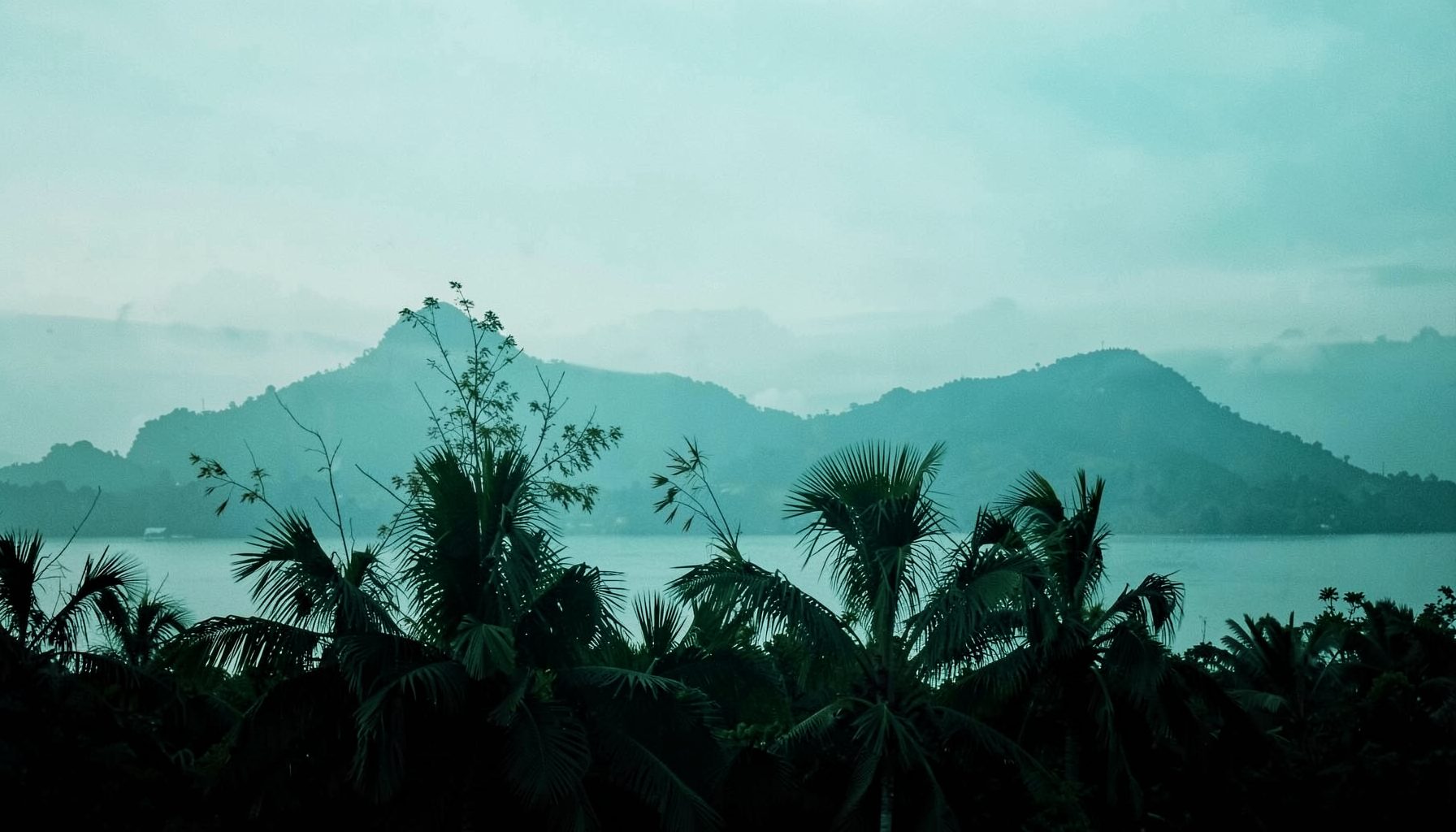
The Banaue Rice Terraces are at their most atmospheric before breakfast, when the Cordillera mountains are layered in blue haze and the first light catches the flooded paddies. Sunrise photography here is less about finding one perfect platform than choosing a viewpoint that suits the season, weather and amount of walking you are prepared to do.
Banaue town is the practical base for exploring the Ifugao highlands. It has guesthouses, guides, restaurants, transport connections and viewpoints close to the road, while nearby Batad, Bangaan, Mayoyao and Hapao offer different terrace patterns and village settings. A clear morning can produce crisp ridgelines, but mist and cloud often create the softer, more memorable images.
Travellers arriving from Australia should allow more time than a quick weekend itinerary suggests. A common route is to fly from Sydney, Melbourne, Brisbane or Perth to Manila, then continue by overnight bus or a domestic connection towards the Cordillera. Mountain roads are slow, and an early start may involve a guide, a tricycle or a four-wheel-drive vehicle rather than a simple walk from your accommodation.
Sunrise times shift throughout the year, just as they do between Brisbane and Melbourne. Check the local forecast and astronomical time a day before, then reach your chosen location 30 to 45 minutes early. The first blue light often reveals the terraces more clearly than the moment the sun appears, giving you time to make both wide landscape photographs and close details of stone walls, water and mountain vegetation.
Banaue Viewpoint Along the National Road
The principal Banaue Viewpoint is the easiest sunrise option for visitors staying in town. It sits beside the winding road above the valley, with several roadside platforms and stalls offering elevated views across the broad amphitheatre of terraces. The perspective is expansive rather than intimate, making it useful for a first photograph that shows the scale of the landscape.
Arrive while it is still dark and inspect the edges of the viewing area with a torch. Railings and concrete platforms can become busy once tour groups arrive, so moving a short distance along the roadside may help you find a cleaner composition. Use the road, terrace contours and distant ridges as leading lines, and keep a little sky in the frame if the clouds are beginning to glow.
This viewpoint is especially convenient for photographers carrying a tripod or larger camera bag. Mobile reception and nearby facilities are generally better than in remote villages, though conditions can change quickly. Bring a light jacket, since the pre-dawn air in the highlands can feel surprisingly cold compared with a humid Manila evening or a warm summer morning in Cairns.
The broad terraces seen from here are often described as Banaue’s own rice terraces, although some famous views include landscapes around neighbouring communities. The distinction matters less for a photograph than for respectful travel: listen to local guides, avoid stepping onto cultivated plots and ask before photographing residents, homes or ceremonies.
Batad Saddle and Amphitheatre Views
Batad provides the most dramatic setting for sunrise photography, with terraces curving around a steep, bowl-shaped valley and the Tappiya Falls trail nearby. The Batad Saddle viewpoint is reached after a road transfer followed by a steep walk, so it requires more planning than the roadside platforms above Banaue. In darkness, the path can be uneven and slippery, particularly after rain.
A local guide is valuable here for route-finding and timing. The exact sunrise position may be hidden by surrounding peaks, yet the valley can brighten beautifully before direct sunlight reaches the terraces. That early illumination creates layered shadows and a gradual shift from charcoal green to gold, especially when low cloud hangs above the village.
Use a wide-angle lens for the complete amphitheatre, then change to a short telephoto lens for repeating terrace walls and tiny homes in the distance. A tripod can help with the dim blue-hour exposure, but keep it compact if you are sharing narrow paths. A headlamp with a red-light setting is considerate when other walkers are still sleeping.
Batad’s landscape reflects generations of Ifugao agricultural knowledge. Anyone interested in how terrain, water management and human design interact may appreciate this engineering perspective alongside the cultural history of the terraces. The scene is a living farm rather than a decorative backdrop, and the best images leave room for that reality.
Bangaan and the Roadside Terraces
Bangaan is a strong choice for photographers who want a quieter scene and a more contained village-and-terrace composition. The viewpoint is generally easier to access than Batad, although the approach still involves mountain roads and walking on uneven ground. From elevated positions, the terraces form a bowl around the settlement, with ridges that can catch warm light as the sun climbs.
The best compositions often appear after the first glow rather than at the exact sunrise minute. Start with a horizontal frame showing the village, terraces and enclosing mountains. Then look for details: water reflecting pale pink light, a farmer’s path dividing the paddies, or mist lifting from a lower valley. A polarising filter can deepen foliage in daytime, but it may reduce reflections that make flooded terraces sparkle, so use it carefully.
Bangaan is home to residents who farm and live in the landscape being photographed. Keep to established paths and do not enter terraces simply to improve a foreground. If a person becomes a key element in the frame, a friendly gesture and permission are appropriate. Buying food, coffee or a locally made item also supports the communities that maintain visitor access.
For Australian visitors used to clearly marked national-park tracks around the Blue Mountains or the Dandenong Ranges, the Cordillera can feel less formal. Not every path has signs, lighting or barriers. Wear shoes with reliable grip, carry water and keep spare cash in Philippine pesos because small roadside businesses may not accept cards or Australian dollars.
Mayoyao and Hapao for Wider Mountain Light
Mayoyao offers a less familiar alternative to the main Banaue circuit. Its terraces are spread across a broader mountain setting, with stone walls, villages and forested slopes creating a quieter visual rhythm. Sunrise colour can appear across distant ridges before the lower fields brighten, which suits photographers who enjoy atmospheric, layered images rather than a single iconic vista.
Hapao, in the Hungduan area, is known for terraces, hot springs and a valley atmosphere that rewards a slower visit. Depending on the season and cloud cover, the first light may skim the upper slopes while the paddies remain in shadow. This contrast can produce strong compositions using exposure bracketing or a graduated neutral-density filter. Check access conditions with a local guide before leaving Banaue, as road and trail conditions are weather-dependent.
These locations are better treated as part of a multi-day itinerary than as quick sunrise detours. A private vehicle or locally arranged transport may be needed, and accommodation choices are more limited than in town. Australians planning around annual leave should be wary of squeezing the trip between a Manila arrival and a fixed return flight; a delayed mountain transfer can have consequences for an international connection.
The agricultural calendar also changes the appearance of the terraces. Newly planted paddies may look intensely green, while harvest periods reveal warmer gold and more visible field textures. Water-filled plots offer mirror-like reflections, but misty or overcast mornings can still work well in monochrome. Ask your accommodation or guide what local conditions are expected instead of relying on a generic travel photograph.
Timing, Gear and Responsible Photography
A reliable sunrise plan begins the previous afternoon. Confirm the departure time, transport, walking route and weather with your guide, then charge batteries and download offline maps. In remote areas, power may be limited, so a power bank is useful. Pack a rain cover, microfibre cloth, small torch, water and a snack that will survive a bumpy drive.
A light mirrorless camera or phone can perform very well here. Shoot RAW if possible, tap to focus on a distant ridge, and watch highlights as the sun reaches wet terraces. Phones often exaggerate contrast and saturation, so preserve detail in the bright sky and lift shadows later. A panorama can show the sweep of Banaue, while a vertical frame is often better for steep valley walls and layered peaks.
The highland climate is cooler than many Australian travellers expect, but rain can arrive quickly. A breathable waterproof shell is more useful than a heavy winter coat, and sandals are unsuitable for muddy trails. In Australia, early-morning café culture makes a takeaway coffee easy to find in cities such as Melbourne or Sydney; in Banaue, breakfast may need to be arranged with your guesthouse the night before. Carrying a small amount of food is sensible when your departure is before local kitchens open.
Respectful timing also means recognising that sunrise is not the only reason to visit. If your trip overlaps a community celebration, learn local expectations before taking photographs. The festival calendar can help place regional events within a wider Philippine itinerary, but village schedules and cultural protocols should be confirmed locally.
Travel costs are usually manageable for visitors bringing Australian dollars, although exchange rates and transport prices vary. Budget for guides, entrance or environmental fees where applicable, meals and tips, rather than assuming a viewpoint is free. Choose locally owned accommodation and transport when practical. That approach keeps more value in the Cordillera communities whose farming, paths and hospitality make these sunrise photographs possible.

Get in Touch
Connect with Salamat Philippines on social media or send a message. We'd love to hear from you.
Facebook: /salamatphilippines
Twitter: @salamatphil
Instagram: @salamatphilippines
YouTube: salamat-philippines
LinkedIn: company/salamat-philippines
Email: [email protected]