
Discover exceptional hospitality across 18 regions — and give back with every listing.
100% of proceeds to Philippine Red Cross
What We Offer
Send Money & Load
- Send Money — free
- Send Load — free
- Ask a Question about the Philippines
Simple, no-cost services for the community.
Business Listings
- Instant Listing — ₱99.00 ($1.99), no expiration
- Free Listing — ₱0.00, unlimited submissions
- Featured Listing — ₱999.00/year ($19.99)
Dining, Lodging, Outdoor Activities, and Nightlife categories.
Philippines Gifts
- Philippines-themed gifts available
- Every purchase supports the Philippine Red Cross
Share a piece of the Philippines with someone special.
Across Every Region
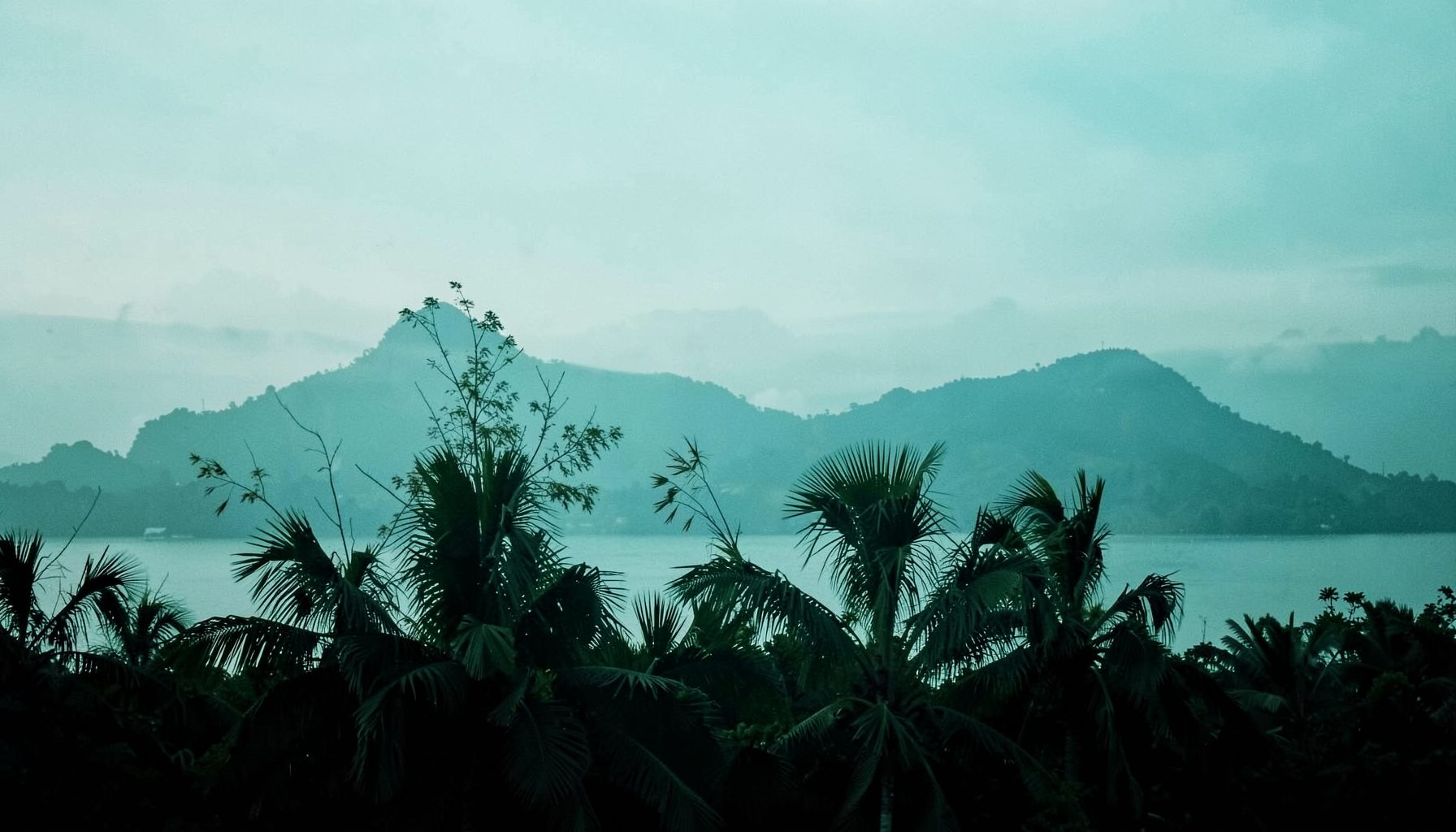
From the rolling hills of the Ilocos Region and the highlands of Cordillera, through the vast Cagayan Valley and the vibrant streets of the National Capital Region, down to the pristine shores of MIMAROPA and the fiery landscapes of Bicol — Salamat Philippines brings together listings that span all 18 regions. Whether you're drawn to Western Visayas, the Negros Island Region, Central or Eastern Visayas, or the southern reaches of Zamboanga Peninsula, Northern Mindanao, Bangsamoro, Caraga, SOCCSKSARGEN, and Davao Region, there is something here waiting to be discovered.
Featured listings have included Herbie's Catering & Events (serving since 2007, phone 0915-3545079, 59 Acapulco), ABC Hotel (phone +63 45 892 2222, Don Juico Avenue), and the BenCab Museum (phone +63 74 442 7165, Km 6 Asin Road). Browse, upvote your favorites, and sign the guest book to say Salamat.
Instagrammable cafes in Quezon City with unique interiors
Quezon City’s best cafés often hide inside ordinary buildings, where a staircase leads to a warehouse, a residential street opens onto a garden, or a polished dining room appears after sunset. The top instagrammable cafes in Quezon City with unique interiors reward attentive travellers with warm timber, layered lighting, plants, art and spaces that feel more considered than copied from a social-media template.
For Australians, the city offers plenty of familiar coffee rituals alongside distinctly Filipino ones. Specialty roasters, lactose-free milk and carefully presented desserts are widely available, while the atmosphere tends to be more social and meal-focused. Quezon City also requires patience: distances that look short on a map can stretch during traffic, particularly around EDSA and major intersections.
This selection considers interiors as part of the overall experience. A photogenic room matters, but so do the drinks, food, service and location. Venues change their hours, menus and even operating names, so visitors should confirm current details before travelling across town for one particular chair or colour scheme.
The most rewarding approach is to choose cafés by neighbourhood rather than chasing every popular pin. Loyola Heights, San Francisco, Timog Avenue, Magallanes and Aseana City each have their own visual language. Travellers can build a loose route, take one café as a longer lunch stop and leave another for a quick drink between meetings or sightseeing.
Why Quezon City’s café design feels distinct
Quezon City’s interiors often combine Filipino domestic details with international café aesthetics. You may find vintage wooden furniture beside modern lighting, tropical plants surrounding communal tables, or handmade ceramics displayed like a small gallery. The result can feel eclectic without becoming chaotic, especially in converted homes and older commercial buildings.
Melbourne’s laneway cafés, Sydney’s warehouse conversions and Brisbane’s shaded verandas provide useful reference points for Australian travellers. Quezon City feels closest to Melbourne in its love of individual neighbourhood venues, but it also has the spaciousness and greenery associated with subtropical Brisbane. Many good rooms blur the line between a café, a small restaurant and a home.
There is also a useful contrast with the more nightlife-focused parts of Metro Manila. This local Makati nightlife guide captures Makati’s polished energy, while Quezon City generally favours slower conversations, residential streets and venues designed for spending several hours at the table.
Design-led cafés to put on your list
The following places are strong choices for distinctive rooms, but their appeal extends beyond appearance. Each has a visual identity that photographs well without relying on one oversized prop or a single dramatic colour scheme.
- The Hidden Batch — Inside the W5 Building on Timog Avenue, this café has a warm, layered atmosphere with collected-looking details, generous seating and a home-like quality. It is especially appealing for overhead shots of coffee beside textured surfaces, and its full menu makes it suitable for breakfast or lunch rather than a rushed visit.
- Kumori — On Magallanes, Kumori draws on Japanese hospitality through restrained décor, light timber, uncluttered tables and carefully presented food. The aesthetic works better in active moments than empty-room photographs, so capture the pouring of coffee, a neatly arranged dish or the relationship between the table and its surroundings.
- A Certain Someday — This residential San Francisco favourite feels creatively lived-in, with collected furniture, art, plants and intimate seating areas. Soft daylight adds atmosphere during the day, while the layered interior rewards visitors who linger past the main breakfast rush and photograph the space as it is actually used.
- The Moonlight — At Aseana City, The Moonlight provides a more polished evening setting, with sculptural lighting and a relaxed dining atmosphere. It is a useful counterpoint to Quezon City’s cottage-style cafés, particularly around sunset, when the room becomes more atmospheric and a dessert or dinner stop becomes part of the experience.
Café Mad Marks in Loyola Heights offers a different kind of design language, centred on greenery, mature trees and a garden-like courtyard. The Botanist, near the Timog dining cluster, takes another plant-led approach, using foliage to soften an urban location. Together, these two spaces demonstrate why the city’s most memorable coffee stops cannot all be described as minimalist or Scandinavian.
Food deserves equal consideration when choosing a room. Some venues excel at brunch plates and bakery orders, while others are stronger for Japanese-inspired dishes, shared plates or late dinners. Weekend queues can be substantial, and a table near a window may involve waiting rather than immediate access. Checking the current menu, opening hours and peak-time reviews before setting out prevents an aesthetically promising stop from becoming disappointing.
Details that make each interior photograph well
Strong interior photographs show how people, furniture and light work together. A wide frame establishes the room, while a closer image can reveal the grain of a table, the shape of a cup or the way daylight reaches a textured wall. The visual approach in this Hue travel journal demonstrates how travel images gain character when architecture provides context for the larger experience.
A phone is usually sufficient for social media. Portrait mode can help separate a table from a busy background, although too much processing may make the result feel artificial. A wide lens is useful in compact rooms, while a vertical frame suits tall windows, hanging lights and layered shelving. Stray bags, water bottles and cables are easy to overlook until they appear in the final image.
Drinks and food provide useful visual details without turning every photograph into a staged advertisement. Condensation on an iced coffee, latte art, crumbs from a pastry or steam rising from a bowl can make a static room feel active. Late-afternoon light is particularly effective in Quezon City, while cloudy conditions produce the soft, even lighting that suits plants and pale timber interiors.
Australian café habits that travel well
Many Australian coffee-ordering habits transfer easily to Quezon City, although a few local details are worth understanding before the first order. Flat whites and long blacks are easy to request, and cafés serving local Philippine-grown Arabica may offer a different flavour profile from the washed or naturally processed beans familiar to many Australian roasters.
- Order by coffee style: A flat white or long black is straightforward, but confirm whether the kitchen interprets it differently from an Australian café. Espresso strength and hot-water temperature can vary between roasters.
- Ask about milk: Dairy is usually simple, while soya and other plant milks are increasingly available. Ask whether an alternative carries an additional charge before choosing it.
- Check the total: Some larger menus include VAT or a service charge, while smaller cafés may add neither. Review the bill before adding anything optional.
- Treat tipping appropriately: Tipping is not normally expected at an ordinary Philippine café. If no service charge appears and the service is genuinely good, a modest amount is welcome but remains optional.
Payment habits differ slightly from Australia. Cards, QR payments and GCash are common in polished venues, although having some Philippine pesos in cash remains useful at smaller cafés, parking areas or roadside stalls. Paying in pesos rather than allowing a card terminal to convert the amount into Australian dollars also helps avoid an unnecessary exchange-rate margin.
Food preferences may require a little adjustment. Ube desserts, sweet pastries, leche flan and rich-flavoured coffee drinks sit comfortably alongside savoury brunch dishes, but the overall selection is often sweeter than what many Australian visitors expect. Adventurous ordering works well when a café is known for its own specialties rather than a broad international menu.
Timing matters too. Quezon City can be quieter in the middle of the morning, while lunch and late-afternoon periods bring larger groups. Australians planning around the two-to-three-hour difference from Sydney or Melbourne during daylight saving should confirm both the Philippine time and the café’s operating day before travelling.
Capturing the room without taking over it
A beautiful interior still needs to remain a functioning café. Moving chairs, rearranging table settings or asking staff to hold a dish in place for several attempts can interrupt service. The best photographs are usually made between orders, with permission and a short session rather than an extended occupation of a customer table.
Privacy also deserves attention. The Australian Privacy Act 1988 does not travel with Australian visitors, while Philippine businesses operate within the framework of the Data Privacy Act of 2012. Café policies can be stricter still. Avoid making identifiable close portraits of diners without permission, and be especially careful when children, private conversations or computer screens are visible in the background.
Staff and other customers can make a room feel welcoming, but consent should come before their image becomes a central part of a post. Ask permission, explain how the photograph will be used and avoid capturing payment screens, identification cards or personal messages. A wide image of the design will usually tell the story with less intrusion.
Respect for the local setting also includes noise levels, queue etiquette and shared tables. Some popular venues operate a seating time during peak hours, while others welcome remote work. Checking the house rules or asking a staff member avoids the Australian habit of assuming every café table is available for the length of a laptop session.
A café route that fits Quezon City
A sensible route can begin in Loyola Heights with Café Mad Marks, continue through the residential streets around San Francisco for A Certain Someday, and then reach the Timog and Magallanes area for lunch at The Hidden Batch or Kumori. The Moonlight at Aseana City provides a more polished finish as evening arrives.
Allow extra time between stops. Travel may take 15 to 30 minutes outside peak traffic but considerably longer along EDSA, and weather can shift from intense sun to a sudden shower. Short queues are more likely early in the day, while a longer meal reservation can make the final venue feel like a deliberate part of the itinerary rather than an inconvenient stop.
The wider Philippine itinerary can balance urban design with natural experiences. For a different kind of escape, the Bohol wildlife guide shifts attention from coffee rooms to forest, conservation and wildlife. Such contrast often makes a city café visit feel even more satisfying when travellers return after seeing a completely different landscape.
Salamat Philippines makes it practical to compare Quezon City venues through its map and directory, while user upvotes can reveal which places currently attract the strongest local response. Paid listings and purchases of Philippines-themed gifts also support the Philippine Red Cross, adding a charitable dimension to the platform. The resulting route feels less like a checklist and more like a sequence of neighbourhoods, each expressed through its own visual character.

Get in Touch
Connect with Salamat Philippines on social media or send a message. We'd love to hear from you.
Facebook: /salamatphilippines
Twitter: @salamatphil
Instagram: @salamatphilippines
YouTube: salamat-philippines
LinkedIn: company/salamat-philippines
Email: [email protected]