Discover exceptional hospitality across 18 regions — and give back with every listing.
100% of proceeds to Philippine Red Cross
What We Offer
Send Money & Load
- Send Money — free
- Send Load — free
- Ask a Question about the Philippines
Simple, no-cost services for the community.
Business Listings
- Instant Listing — ₱99.00 ($1.99), no expiration
- Free Listing — ₱0.00, unlimited submissions
- Featured Listing — ₱999.00/year ($19.99)
Dining, Lodging, Outdoor Activities, and Nightlife categories.
Philippines Gifts
- Philippines-themed gifts available
- Every purchase supports the Philippine Red Cross
Share a piece of the Philippines with someone special.
Across Every Region
From the rolling hills of the Ilocos Region and the highlands of Cordillera, through the vast Cagayan Valley and the vibrant streets of the National Capital Region, down to the pristine shores of MIMAROPA and the fiery landscapes of Bicol — Salamat Philippines brings together listings that span all 18 regions. Whether you're drawn to Western Visayas, the Negros Island Region, Central or Eastern Visayas, or the southern reaches of Zamboanga Peninsula, Northern Mindanao, Bangsamoro, Caraga, SOCCSKSARGEN, and Davao Region, there is something here waiting to be discovered.
Featured listings have included Herbie's Catering & Events (serving since 2007, phone 0915-3545079, 59 Acapulco), ABC Hotel (phone +63 45 892 2222, Don Juico Avenue), and the BenCab Museum (phone +63 74 442 7165, Km 6 Asin Road). Browse, upvote your favorites, and sign the guest book to say Salamat.
Banaue accommodation for backpackers and families
Banaue is best known for the Ifugao Rice Terraces, yet the character of a trip depends just as much on where you sleep. The town has compact guesthouses, homely homestays, practical inns and a growing selection of comfortable lodges. Each suits a different traveller, from a solo backpacker watching every peso to a family that needs private bathrooms, breakfast and space to recover after a day on steep mountain paths. Learn more about Karten Von Organspendeausweis Stationen In Krankenhäusern.
For Australian visitors, Banaue is a destination that rewards slower travel. It is a long journey from Manila, roads can be winding, and weather may affect transfers. In return, travellers find cooler evenings, strong local hospitality and easy access to villages, viewpoints and trekking routes. Choosing accommodation near the town centre, a transport hub or a quieter ridge can make the difference between a relaxed stay and an unnecessarily complicated one.
Guesthouses for affordable and social stays
Family-run guesthouses are often the most suitable choice for backpackers in Banaue. Rates are generally lower than those of full-service hotels, and owners can arrange guides, jeepney transfers, motorbike hire and early breakfasts. Rooms may be simple, with sturdy beds, a fan or basic heating, and a private or shared bathroom. Common areas give solo travellers an easy way to meet other hikers without committing to a busy party hostel.
Many guesthouses are clustered around the central market and the main road. This location is convenient for restaurants, small shops, banks and transport offices, although traffic and early-morning activity can create some noise. Ask whether the quoted price includes breakfast, hot water, towels and Wi-Fi before booking. In mountain towns, these details can vary considerably between properties that appear similar online.
Backpackers arriving from Sydney or Melbourne should carry some Philippine pesos rather than relying entirely on cards. Banaue has ATMs, but connectivity and cash availability are not as dependable as in an Australian city such as Brisbane. A small reserve is useful for meals, tricycle fares, guide fees and locally made souvenirs, particularly when travelling onwards to Batad or Mayoyao.
Homestays for a closer local experience
A homestay is a strong option for travellers who want more contact with Ifugao culture. Hosts may serve home-cooked meals, explain local customs and recommend walks that do not appear in standard tour packages. Some properties occupy traditional or semi-traditional houses, while others are modern family homes with guest rooms. The experience is usually personal and informal rather than hotel-like.
Families should clarify the sleeping arrangement before arrival. A room advertised for four may contain one double bed and floor mattresses, while a “family room” can mean two adjoining rooms without an internal door. Confirm whether children are charged separately, whether a cot is available and if the bathroom is inside the room. These questions are especially important for parents travelling with young children after a long bus journey.
Meal times may be less flexible than in a resort. A host might need advance notice to prepare dinner, and kitchens may close early. This is part of the appeal, though families with fussy eaters should keep snacks in their day bags. Australian parents are accustomed to clearly labelled allergens and predictable food-service standards; in a rural Philippine homestay, explain allergies carefully and carry suitable alternatives.
Comfortable inns and small hotels
Small hotels and inns provide a useful middle ground between a budget room and a luxury retreat. They generally offer reception services, private bathrooms, on-site dining and a greater chance of reliable hot water. Some have balconies overlooking the terraces or surrounding hills, while others are positioned close to the bus terminal for a convenient overnight stop.
A room with a view is appealing, but it may involve stairs, a sloping path or a more exposed position in cool weather. Families should ask about access if they are carrying prams or travelling with grandparents. Banaue is hilly, and even a short distance on a map can involve a steep walk. Properties near the centre reduce the need for repeated transport, but hillside lodges may provide a quieter atmosphere and better sunrise scenery.
Look for recent reviews that mention cleanliness, mattress comfort, shower pressure, noise and staff communication. Photos can make a room appear larger than it is, especially when taken with a wide-angle lens. Australians comparing prices should remember that a Philippine booking may be quoted in pesos and may not include every service charge. Converting the total into Australian dollars before paying helps prevent confusion, particularly when exchange rates shift between booking and arrival.
Lodges near viewpoints and rice terraces
Lodges outside the centre suit travellers who value scenery, quiet evenings and a more immersive mountain setting. Around Banaue and nearby villages, accommodation can overlook dramatic valleys, forested slopes and sections of the rice terraces. These properties are often ideal for couples, photographers and families who plan to spend time at the lodge rather than use it simply as a base.
The trade-off is transport. A lodge several kilometres from town may require a tricycle or pre-arranged van for every meal and excursion. Mobile reception may be patchy, and rain can make unsealed roads slow. Confirm the final approach with the host, including whether a normal car can reach the property. For families, ask if dinner can be prepared on site and whether drinking water is supplied.
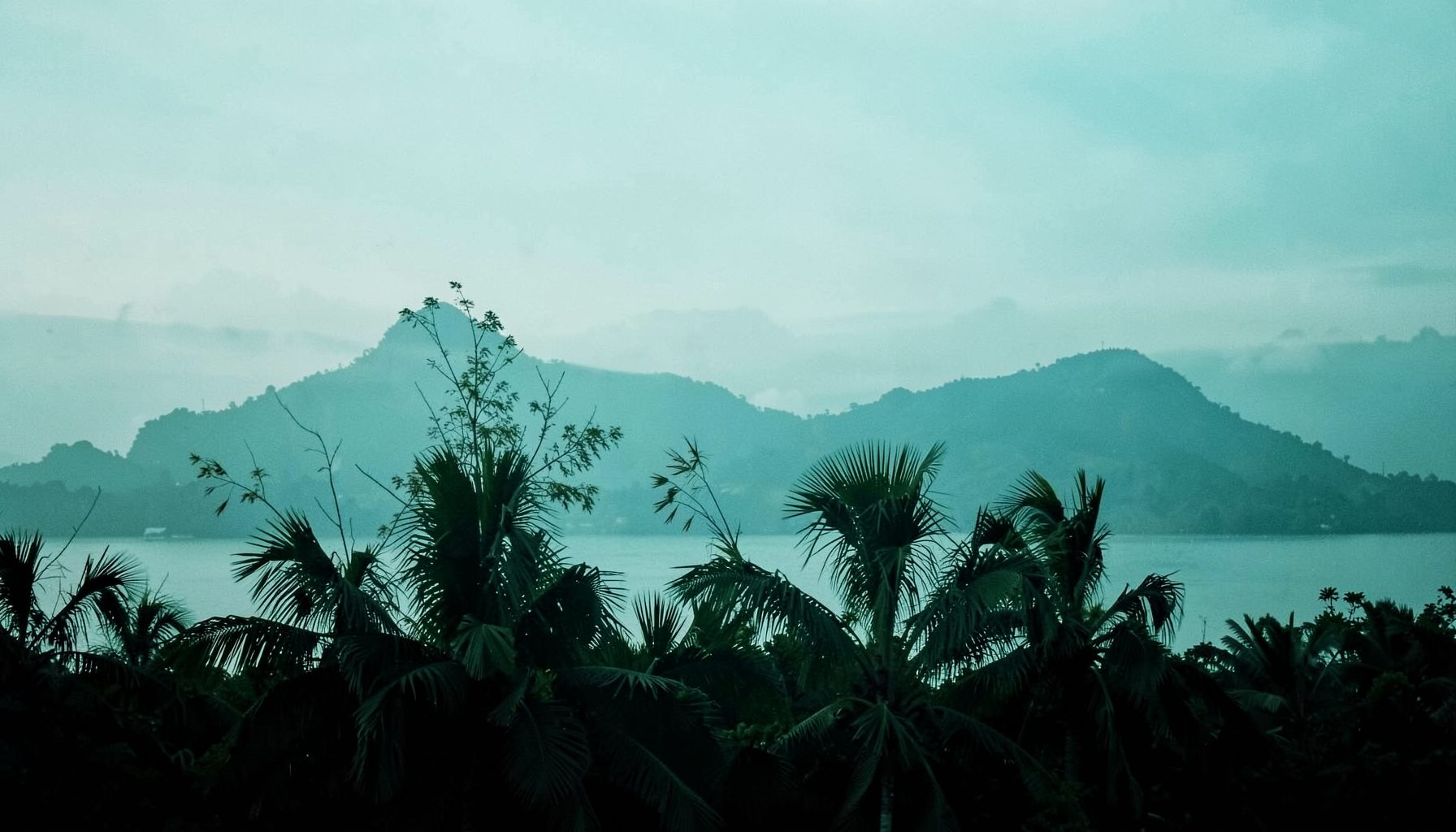
The best views are not always visible all day. Mountain mist can settle over Banaue, especially during wet periods, so a scenic balcony should be treated as a bonus rather than the sole reason to book. Early risers may enjoy the clearest light, while late afternoons can bring cloud and rain. A comfortable common room, covered terrace and dependable meal service matter when weather keeps everyone indoors.
Practical booking and location advice
Banaue’s accommodation supply is smaller than that of Boracay, Cebu or Manila, so popular weekends and Philippine school holidays can fill quickly. Reserve ahead when travelling during Easter, Christmas, New Year or local festivals. Australian families often plan around the December–January summer break and Queensland or New South Wales school holidays, which can overlap with busy periods in the Philippines. Travelling outside those dates usually provides more choice and calmer rates.
Use a map to compare a property’s real position with the town centre, viewpoints and transport stops. A listing may use “Banaue” broadly while being located in a neighbouring village. Salamat Philippines explains how to use an interactive map guide, which can help when checking nearby attractions and judging whether a property is walkable. Save the accommodation’s phone number and directions offline in case the mobile signal disappears.
Read cancellation terms closely. A low prepaid rate may have limited flexibility, while a more expensive room may allow a date change if weather disrupts a bus connection. Australian Consumer Law generally protects purchases made from Australian businesses, but an overseas accommodation booking may be governed by the provider’s terms and Philippine regulations instead. Travel insurance can be valuable for illness, missed connections and severe weather, although exclusions and documentation requirements vary.
Choosing the right base for your itinerary
For a short stay, the town centre is usually the most efficient base. It keeps restaurants, shops, guides and transport within reach and makes it easier to organise a visit to Banaue Viewpoint or a transfer to Batad. Backpackers may prefer a sociable guesthouse here, while families often appreciate an inn with a private bathroom and an on-site restaurant. Two nights gives most visitors enough time to settle in without making every activity feel rushed.
Batad is a separate choice rather than simply another neighbourhood of Banaue. Reaching it involves a road transfer followed by a walk, and accommodation is generally more basic. Staying there can be memorable for hikers who want to wake beside the amphitheatre rice terraces, but it is less convenient for travellers with heavy luggage, limited mobility or small children. Pack lightly and confirm the walking requirements before committing to an overnight stay.
Health and safety planning deserves attention in a remote mountain destination. Keep prescriptions, emergency contacts and insurance details accessible, and ask the host how to reach the nearest clinic or hospital. When organising travel documents, the principle behind checking service locations in advance is also reflected in this hospital station map, though Banaue visitors should rely on local medical advice for current facilities. Basic precautions include carrying a torch, using insect repellent, wearing shoes with grip and allowing extra time on wet roads.
The strongest accommodation choice is the one that matches the pace and priorities of the group. A backpacker may value a low-cost room, shared conversations and help arranging a trek, while a family may need quiet nights, meals on demand and safe access for children. Whether the final choice is a central guesthouse, welcoming homestay, practical inn or scenic lodge, Banaue offers a comfortable base for experiencing the terraces and the living culture of the Ifugao highlands.

Get in Touch
Connect with Salamat Philippines on social media or send a message. We'd love to hear from you.
Facebook: /salamatphilippines
Twitter: @salamatphil
Instagram: @salamatphilippines
YouTube: salamat-philippines
LinkedIn: company/salamat-philippines
Email: [email protected]