
Discover exceptional hospitality across 18 regions — and give back with every listing.
100% of proceeds to Philippine Red Cross
What We Offer
Send Money & Load
- Send Money — free
- Send Load — free
- Ask a Question about the Philippines
Simple, no-cost services for the community.
Business Listings
- Instant Listing — ₱99.00 ($1.99), no expiration
- Free Listing — ₱0.00, unlimited submissions
- Featured Listing — ₱999.00/year ($19.99)
Dining, Lodging, Outdoor Activities, and Nightlife categories.
Philippines Gifts
- Philippines-themed gifts available
- Every purchase supports the Philippine Red Cross
Share a piece of the Philippines with someone special.
Across Every Region
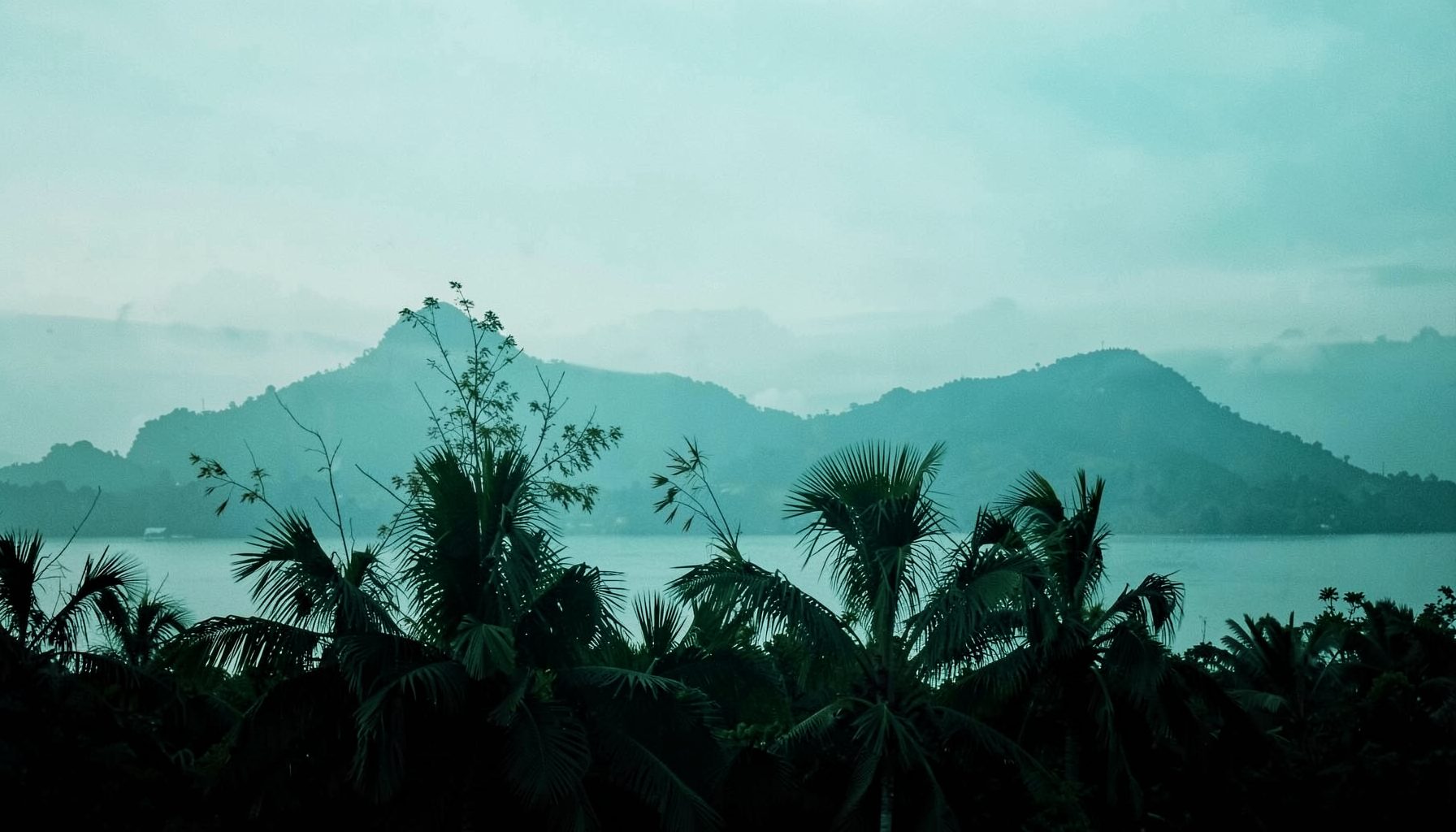
From the rolling hills of the Ilocos Region and the highlands of Cordillera, through the vast Cagayan Valley and the vibrant streets of the National Capital Region, down to the pristine shores of MIMAROPA and the fiery landscapes of Bicol — Salamat Philippines brings together listings that span all 18 regions. Whether you're drawn to Western Visayas, the Negros Island Region, Central or Eastern Visayas, or the southern reaches of Zamboanga Peninsula, Northern Mindanao, Bangsamoro, Caraga, SOCCSKSARGEN, and Davao Region, there is something here waiting to be discovered.
Featured listings have included Herbie's Catering & Events (serving since 2007, phone 0915-3545079, 59 Acapulco), ABC Hotel (phone +63 45 892 2222, Don Juico Avenue), and the BenCab Museum (phone +63 74 442 7165, Km 6 Asin Road). Browse, upvote your favorites, and sign the guest book to say Salamat.
The Most Unique Accommodations Across the Philippines
The Philippines offers far more than conventional beach resorts and city hotels. Across its islands, travelers can sleep in bamboo villas surrounded by rice terraces, glass cabins beside forests, floating cottages above clear water, and heritage homes filled with traces of colonial and local history. These stays turn accommodation into part of the destination itself.
The country’s geography creates an extraordinary range of lodging experiences. Palawan brings limestone cliffs and hidden lagoons, Benguet offers cool mountain air, Siargao blends surf culture with tropical simplicity, while Metro Manila and Cebu present inventive urban hotels shaped by art, food, and design.
For travelers planning a memorable trip, the best place to begin is often a regional directory rather than a generic booking list. The Salamat Philippines directory brings destinations, hospitality providers, activities, restaurants, and attractions together, helping visitors connect unusual places to the wider experiences around them.
Treehouses and Canopy Retreats
Treehouse accommodations appeal to travelers who want a stronger connection with the natural environment. In forested areas of Luzon, Mindanao, and Palawan, elevated cabins provide views over jungle canopies, rivers, farms, or mountain slopes. Their designs range from rustic platforms with open-air bathrooms to polished villas with private decks and climate control.
A well-designed treehouse balances adventure with practical comfort. Solid stairways, secure railings, reliable electricity, mosquito protection, and weather-resistant construction matter as much as the view. Some properties are built around mature trees, while others use independent stilts to reduce pressure on the surrounding landscape.
These elevated stays are especially appealing for couples, photographers, and families seeking a peaceful alternative to a busy resort. Early mornings may bring bird calls and mist over the hills, while evenings offer dark skies that are difficult to find near major cities. Guests should expect uneven paths and limited accessibility at some properties, so checking the approach before booking is essential.
Floating Cottages and Overwater Escapes
Overwater accommodation in the Philippines comes in several forms. In lakeside communities, small floating cottages may be designed for short stays, meals, or overnight visits. Coastal resorts in Palawan, Bohol, and parts of Mindanao offer villas above shallow turquoise water, often connected by wooden walkways to a larger property.
A floating stay creates a distinctive rhythm. The sound of water replaces traffic, and a private deck can serve as a breakfast area, swimming platform, or sunset viewpoint. Some accommodations are best suited to couples looking for privacy, while larger floating houses can work for families or groups who want direct access to calm lagoons and inland waters.
Environmental standards vary widely, so responsible travelers should investigate how a property manages wastewater, drinking water, electricity, and shoreline construction. Properties that limit plastic use, protect mangroves, and employ nearby residents tend to offer a more sustainable experience. Guests should also check weather policies, transfer arrangements, and whether strong tides or seasonal winds affect access.
Eco-Design in Dramatic Landscapes
Eco-lodges and nature resorts are among the most distinctive places to stay in the archipelago because they make the landscape central to the experience. Rather than sealing guests away in standardized rooms, many use local materials, passive cooling, open-air living spaces, rainwater collection, and low-impact paths through the site.
| Accommodation style | Best setting | Signature experience | Practical consideration |
|---|---|---|---|
| Bamboo villa | Rice terraces or forested hills | Local craftsmanship and wide views | Insects, humidity, and steep access may be part of the stay |
| Glass cabin | Mountain or woodland areas | Sunrise, stargazing, and private scenery | Privacy and heat control should be checked |
| Floating cottage | Lake, lagoon, or calm coast | Water-level views and direct swimming access | Transfers and weather conditions can affect arrival |
| Cave-inspired suite | Limestone or rugged coastal terrain | Dramatic architecture and cool interiors | Facilities may be distant from towns |
| Farm stay | Countryside and agricultural regions | Fresh food and hands-on rural activities | Transport is often essential |
| Heritage house | Historic districts and old towns | Architecture, stories, and local character | Rooms may have traditional layouts and limited elevators |
In the Cordillera, mountain lodges may combine native-inspired construction with large windows facing pine forests and terraced fields. In Palawan, compact villas can be tucked into steep coastal terrain, using stone, timber, and vegetation to blend into the surroundings. In Negros, Batangas, and other rural provinces, farm stays introduce travelers to coffee, cacao, coconut, fruit, and vegetable production.
An eco-conscious property does not have to feel basic. Solar power, natural ventilation, locally made furniture, and carefully planned landscaping can create a refined atmosphere without excessive energy use. The most successful examples make sustainability visible through thoughtful details rather than treating it as a marketing label.
Heritage Homes and Cultural Stays
For a deeper sense of place, travelers can choose accommodation in a restored ancestral home, old townhouse, or traditional village dwelling. Vigan’s heritage district is known for Spanish-era streets and grand houses, while Taal in Batangas offers historic residences with antique furnishings, capiz windows, and period architecture. Other heritage properties appear in Iloilo, Silay, Cebu, and old districts throughout the Visayas.
Staying in a historic building changes the way visitors experience a destination. Thick walls, carved woodwork, tiled floors, and inner courtyards reveal how earlier generations responded to the local climate and social life. Owners and caretakers often add personal stories about the property, turning a short visit into a more meaningful encounter with regional history.
Guests should remember that preservation takes priority over modern uniformity. A heritage room may have a smaller bathroom, narrow staircase, uneven floorboards, or limited soundproofing. Those details are part of the character, though travelers with mobility needs should request specific information before arrival. Booking directly with a reputable property can also clarify which rooms retain original features and which have been modernized.
Glamping Under Philippine Skies
Glamping gives travelers access to remote landscapes without requiring a full camping setup. Canvas tents, domes, safari-style cabins, and compact pods are increasingly found near beaches, waterfalls, mountains, and farmland. Many include proper beds, private bathrooms, outdoor seating, and electricity, allowing guests to enjoy nature with fewer logistical demands.
Mountain glamping is particularly attractive in Benguet, Rizal, Cebu, and parts of Mindanao, where cool evenings and expansive views create a sharp contrast with the heat of the lowlands. Beachside tents in La Union, Siargao, and other coastal destinations appeal to surfers and slow travelers who want to remain close to the sea without staying in a conventional resort.
The experience depends heavily on the season. Heavy rain can make dirt roads difficult, while hot months may turn poorly ventilated tents into uncomfortable spaces during the afternoon. Travelers should look for information about insulation, fans or air conditioning, private toilets, Wi-Fi, and nighttime lighting. A location with fewer facilities may still be worthwhile if the surrounding scenery and quiet are the primary reasons for visiting.
Creative Stays in Cities and Islands
Unique accommodation is not limited to remote landscapes. In Manila, Cebu City, Davao, and other urban centers, boutique hotels are transforming former warehouses, old residences, and compact commercial buildings into artistic places to stay. Their appeal may come from Filipino contemporary art, locally produced furniture, inventive room layouts, rooftop dining, or a strong connection to a neighborhood’s food and nightlife.
Some urban properties focus on a particular theme, such as music, design, literature, or local cuisine. Others use a small number of rooms to create a more personal atmosphere than a large chain hotel. These stays are useful for travelers who want character while remaining close to galleries, markets, business districts, transport hubs, and restaurants.
Island accommodations also experiment with unusual concepts. Surf hostels may combine communal kitchens with private pods, while wellness retreats offer open-air yoga platforms, garden cottages, and plant-based menus. A directory such as About Salamat Philippines helps explain the wider purpose behind a platform that connects visitors with Philippine businesses, destinations, and community-oriented travel resources.
Choosing a Stay That Fits the Journey
The most memorable property is not automatically the best choice for every itinerary. A remote jungle lodge may be perfect for two quiet nights but inconvenient for a schedule built around island-hopping tours. A heritage home may suit a history-focused trip, while a family with young children may prefer an eco-resort with easier transport and a swimming pool.
Before reserving an unusual property, review the following details:
- Access and transfers: Confirm ferry schedules, road conditions, walking distances, and whether the property arranges airport or port pickup.
- Weather and seasonality: Check how monsoon rain, tides, heat, or rough seas affect comfort and arrival.
- Essential facilities: Verify bathrooms, electricity, mobile signal, Wi-Fi, air conditioning, drinking water, and backup power.
- Environmental practices: Look for responsible waste management, local employment, conservation policies, and sensible water use.
- Location and activities: Make sure nearby beaches, trails, restaurants, cultural sites, and transport options match the purpose of the trip.
It is also worth reading recent reviews with a practical eye. A comment describing “rustic charm” may indicate open-air bathrooms or intermittent hot water, while “secluded” could mean that there are no shops within walking distance. Clear expectations make distinctive accommodation feel special rather than inconvenient.
Making the Stay Part of the Destination
A unique room becomes more valuable when it is connected to the surrounding community. Guests can eat at family-run restaurants, hire local guides, purchase crafts from nearby makers, and choose activities that respect wildlife and cultural sites. These decisions distribute travel spending beyond the property and create a fuller impression of the region.
Travelers should also consider how long to stay. One night may provide a memorable photograph, but two or three nights allow time to settle into the setting and explore without rushing. A treehouse can become the base for a waterfall hike, a heritage home can anchor a walking tour, and a farm stay can pair naturally with a regional food itinerary.
The Philippines has accommodation for almost every style of adventure: remote cabins, island villas, ancestral residences, design hotels, glamping domes, and community-based lodges. Explore places by region, compare the practical details, and choose a stay that reflects the landscape and culture you came to experience. Browse Salamat Philippines to discover distinctive lodging, nearby activities, and local businesses for a more connected Philippine journey.

Get in Touch
Connect with Salamat Philippines on social media or send a message. We'd love to hear from you.
Facebook: /salamatphilippines
Twitter: @salamatphil
Instagram: @salamatphilippines
YouTube: salamat-philippines
LinkedIn: company/salamat-philippines
Email: [email protected]