
Discover exceptional hospitality across 18 regions — and give back with every listing.
100% of proceeds to Philippine Red Cross
What We Offer
Send Money & Load
- Send Money — free
- Send Load — free
- Ask a Question about the Philippines
Simple, no-cost services for the community.
Business Listings
- Instant Listing — ₱99.00 ($1.99), no expiration
- Free Listing — ₱0.00, unlimited submissions
- Featured Listing — ₱999.00/year ($19.99)
Dining, Lodging, Outdoor Activities, and Nightlife categories.
Philippines Gifts
- Philippines-themed gifts available
- Every purchase supports the Philippine Red Cross
Share a piece of the Philippines with someone special.
Across Every Region
From the rolling hills of the Ilocos Region and the highlands of Cordillera, through the vast Cagayan Valley and the vibrant streets of the National Capital Region, down to the pristine shores of MIMAROPA and the fiery landscapes of Bicol — Salamat Philippines brings together listings that span all 18 regions. Whether you're drawn to Western Visayas, the Negros Island Region, Central or Eastern Visayas, or the southern reaches of Zamboanga Peninsula, Northern Mindanao, Bangsamoro, Caraga, SOCCSKSARGEN, and Davao Region, there is something here waiting to be discovered.
Featured listings have included Herbie's Catering & Events (serving since 2007, phone 0915-3545079, 59 Acapulco), ABC Hotel (phone +63 45 892 2222, Don Juico Avenue), and the BenCab Museum (phone +63 74 442 7165, Km 6 Asin Road). Browse, upvote your favorites, and sign the guest book to say Salamat.
The Most Instagrammable Spots in Tagaytay
Tagaytay is one of the easiest destinations near Manila for creating a varied travel gallery. In a single day, you can photograph volcanic scenery, cool mountain roads, landscaped gardens, stylish cafés, historic churches, and dramatic sunset skies. Its elevated setting gives the city a refreshing atmosphere and wide views across Batangas.
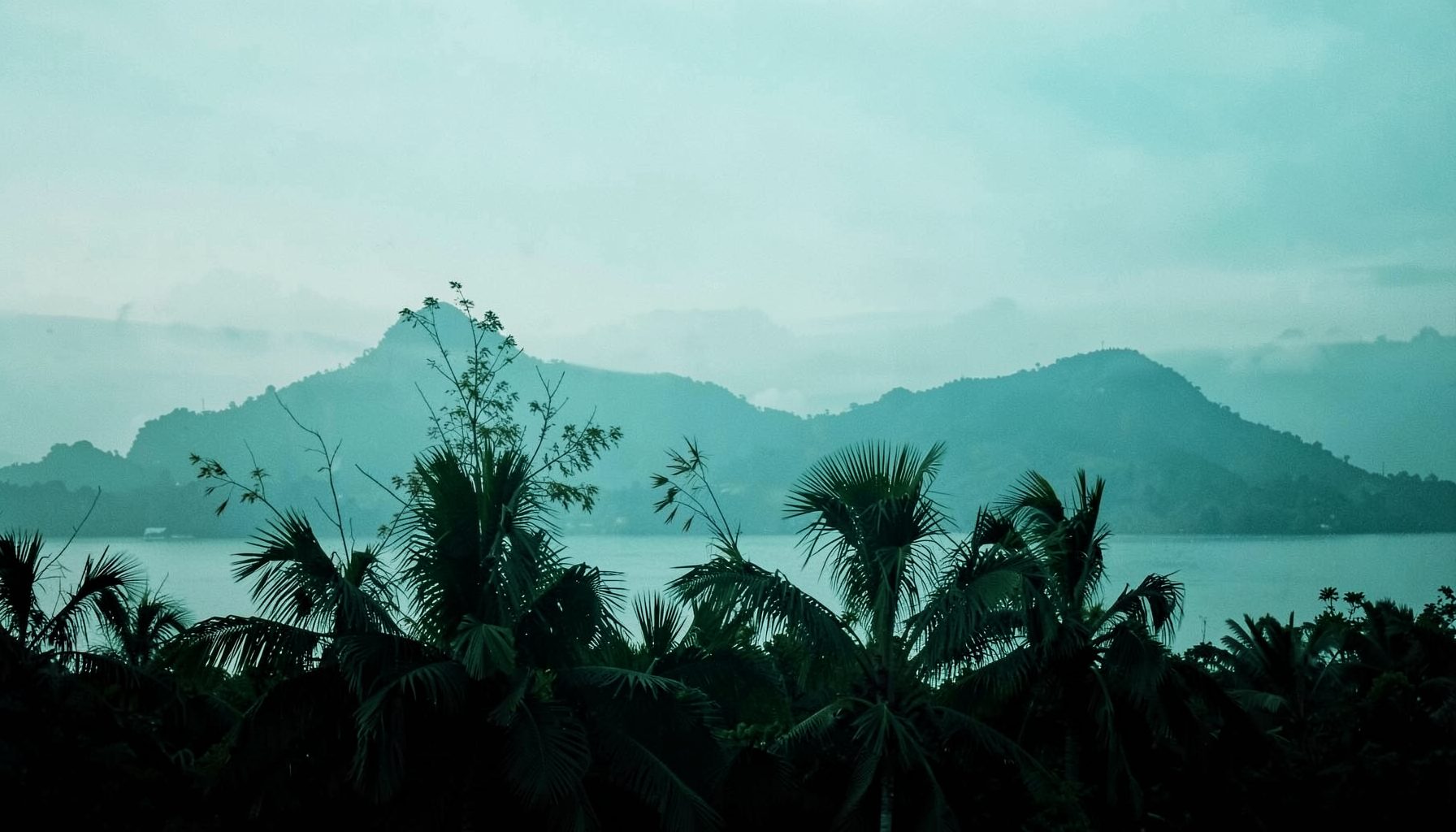
The star of the landscape is Taal Volcano, sitting within Taal Lake and framed by rolling green ridges. Weather, light, and viewpoint make a major difference, so the same scene can look misty and peaceful in the morning, richly colored at sunset, or almost cinematic after rain.
A good Tagaytay photo itinerary should combine famous viewpoints with quieter stops. Arrive early for clear visibility, leave room for café hopping, and check access rules before visiting private resorts or restaurants. Comfortable shoes are useful because some scenic places involve uneven paths, stairs, or gardens.
Why Tagaytay Creates Memorable Photos
Tagaytay’s appeal comes from contrast. The city has a rural landscape but a growing collection of polished restaurants, boutique accommodations, and creative attractions. Rustic wooden details can appear in the same frame as modern architecture, while clouds drifting over Taal Lake add movement to otherwise still compositions.
The ridge road is especially photogenic because it offers changing angles rather than one single lookout. As you travel through the city, the view opens and closes between trees, buildings, cafés, and roadside parks. This variety helps you build a visual story instead of collecting several nearly identical shots.
The cool climate also makes outdoor photography more comfortable than in many lowland destinations. Still, Tagaytay weather can shift quickly. Bring a lens cloth, protect your phone from sudden rain, and keep a light jacket nearby. A cloudy afternoon is not necessarily a bad thing; soft light often reduces harsh shadows and creates a moody background over the lake.
Best Viewpoints For Taal Lake And Volcano
People’s Park in the Sky is one of the city’s best-known elevated viewpoints. The unfinished hilltop mansion, stone walkways, religious statues, and panoramic outlooks give photographers several settings in one stop. The higher elevation can provide a broad view of the surrounding countryside, although clouds may partially cover the scenery.
For a more relaxed atmosphere, visit Tagaytay Picnic Grove. Its tall trees, grassy areas, wooden structures, and elevated viewing platforms create a classic outdoor backdrop. The site is suitable for wide landscape photos, portraits, and casual family images. Morning light filtering through the trees can produce softer, more natural-looking pictures.
Taal Viewing Decks along the ridge are another practical choice, especially when you want a clear composition without spending a full day at a large attraction. Many restaurants and hotels have balconies that face the volcano. If you plan to photograph from a dining venue, ask about access and consider ordering a meal or drink as a courtesy.
The lake view may be hazy during the dry season or hidden by clouds during wet weather. Rather than waiting for perfect clarity, use the atmosphere creatively. A partly obscured volcano can add depth, while a frame featuring railing, foliage, or a cup of coffee gives the image a stronger sense of place.
Gardens Cafés And Distinctive Backdrops
Puzzle Mansion is recognizable for its unusual collection and colorful interiors. The attraction offers a playful alternative to the usual landscape photograph, with oversized puzzle displays and themed details that work well for creative portraits. Ask about photography policies before using a tripod or taking pictures inside exhibit areas.
Fantasy World, with its castle-like towers and European-inspired design, is another memorable backdrop. Its vivid architecture can make a travel photo feel theatrical, particularly when photographed from a low angle. Check current opening arrangements because access and operating schedules can change.
Tagaytay’s garden cafés are ideal for lifestyle images. Many use flowering plants, rattan furniture, wooden tables, glass windows, and views of the hills to create a relaxed visual identity. Popular venues can become crowded, so visit shortly after opening or choose a weekday. Photograph the setting first, then include food and drinks as supporting details rather than allowing them to dominate every frame.
The city also has farm attractions and flower gardens where textures become the main subject. Capture close-ups of leaves, colorful blooms, hanging plants, and pathways before stepping back for a wider scene. These smaller details can balance the large Taal Lake images in a social media carousel.
| Location Type | Strongest Visual Feature | Best Time To Visit | Helpful Photo Approach |
|---|---|---|---|
| Elevated lake viewpoint | Taal Lake and volcano panorama | Early morning or late afternoon | Use foreground trees or railings for depth |
| People’s Park In The Sky | Hilltop views and stone architecture | Morning for clearer visibility | Combine portraits with wide landscape frames |
| Tagaytay Picnic Grove | Trees, platforms, and outdoor scenery | Morning or overcast afternoon | Use natural shade for softer portraits |
| Garden café | Plants, interiors, and plated food | Weekday opening hours | Photograph details before the venue becomes busy |
| Fantasy World | Colorful towers and fairytale architecture | Bright but mild daylight | Try low angles and symmetrical framing |
| Church or heritage site | Religious architecture and quiet atmosphere | Early morning | Dress respectfully and avoid disrupting worship |
| Sunset ridge location | Warm sky over the lake and hills | Around sunset, subject to weather | Arrive early to secure an unobstructed position |
Churches Heritage Sites And Quiet Corners
Our Lady of Manaoag at Tierra de Maria combines religious art, garden paths, and elevated views. The large statue and surrounding greenery offer a distinctive composition, but visitors should treat the site as a place of worship rather than simply a photo set. Keep voices low and follow posted rules, especially during services.
The Museo Orlina provides a different kind of visual experience. Its contemporary glass sculptures, clean lines, and open spaces can create colorful abstract images. The museum is particularly useful when outdoor conditions are poor because its exhibits provide texture and visual interest indoors. Confirm photography permissions before visiting.
For travelers who enjoy architecture, small chapels and older roadside structures can add a sense of history to a Tagaytay itinerary. Their appeal often comes from restraint: weathered walls, wooden doors, religious details, and quiet surroundings. A simple portrait taken from a respectful distance may feel more authentic than a heavily staged image.
The best photographs are not always found at the most advertised attractions. Look for winding lanes, roadside flower stalls, old trees, and viewpoints between larger establishments. Avoid blocking entrances or photographing residents without permission. Responsible behavior protects the atmosphere that makes these places attractive in the first place.
When To Shoot And What To Bring
Sunrise is valuable for clear lake views, cooler temperatures, and less crowded viewpoints. The early light can give the ridges a pale gold edge, while the quiet roads make it easier to compose a landscape without traffic or groups in the foreground. If your accommodation has a balcony, begin there before heading out.
Late afternoon is the most popular period because the light becomes warmer and the sky may develop dramatic colors. Sunset visibility depends on cloud cover, so treat it as an opportunity rather than a guarantee. Arrive at least 30 minutes ahead of time, particularly at busy restaurants and public viewpoints.
A phone with a wide-angle lens is enough for most Tagaytay scenes, but avoid using the widest setting too close to people because it can distort faces. A small tripod helps with low-light café interiors and sunset exposures. A power bank, microfiber cloth, rain cover, and offline map are equally practical.
Wear shoes with reliable grip and pack sun protection even on cloudy days. Roadside locations can have limited sidewalks, so stay alert around vehicles. If you are moving between several attractions, allow extra time for traffic along the ridge, especially on weekends and public holidays.
Food Photography And Evening Atmosphere
Tagaytay is famous for restaurants with scenic dining rooms, and food photography can become part of the destination story. Bulalo, tawilis, local vegetables, pastries, and colorful drinks all photograph differently. Use window light when possible, avoid harsh overhead flash, and take a quick establishing image that includes the view or table setting.
A restaurant with a strong interior design may be just as photogenic as one facing Taal Lake. Exposed wood, woven décor, vintage signs, fireplaces, and floor-to-ceiling windows provide visual variety. Before photographing staff or other diners, ask permission and avoid occupying a table longer than your meal requires.
After dark, the ridge takes on a quieter glow from restaurants, hotels, and passing vehicles. Night photography works best when you stabilize your phone against a solid surface and reduce exposure slightly to preserve lights. Reflections on wet pavement after rain can add color and atmosphere, though slippery paths require care.
If your trip continues to Metro Manila, you can compare Tagaytay’s relaxed evening mood with the city energy described in this Makati nightlife guide. The contrast can help shape a broader Philippines travel story, moving from mountain views and family dining to illuminated streets and late-night venues.
Building A Smooth Photo Day
A practical route begins with an early viewpoint, followed by breakfast at a café or restaurant. Continue to a garden, museum, or heritage attraction before midday crowds increase. After lunch, choose an indoor stop or a shaded park, then return to the ridge for late-afternoon scenery.
Avoid trying to visit every famous attraction in one day. Traffic, parking, meal times, and weather can quickly change the schedule. Three or four well-spaced stops usually produce better photographs than eight rushed visits. Save the most weather-sensitive viewpoint for a flexible part of the itinerary.
Before booking a venue, look for current visitor information, transport details, and community feedback. The Salamat Philippines travel Q&A can also help with practical questions about destinations, local businesses, and planning across the country. User-submitted information may be especially useful when operating hours or access arrangements have changed.
Use a map to group nearby attractions and check whether a location is public, ticketed, or connected to a private business. If a venue offers a scenic balcony, garden, or dining area, respect its policies and support it through an admission fee or purchase when appropriate. That approach keeps local attractions welcoming to future visitors.
Simple Ways To Improve Your Tagaytay Gallery
- Mix wide landscapes with close-up details so every image does not show the same distant volcano.
- Photograph during early morning or late afternoon for softer light and warmer colors.
- Include local food, roadside plants, architecture, and travel companions to give the gallery a stronger sense of place.
- Keep horizons level, clean phone lenses often, and reduce exposure when bright skies wash out the scene.
- Ask permission before photographing people, private interiors, religious spaces, or commercial displays.
Tagaytay rewards patience more than expensive equipment. A few minutes spent waiting for passing clouds, choosing a less crowded angle, or watching how light changes across the ridge can transform an ordinary frame. Even when Taal Volcano disappears into mist, the city still offers gardens, cafés, architecture, and atmospheric roads worth recording.
Plan your route through the Salamat Philippines directory, discover local dining and hospitality providers, and save the viewpoints that fit your travel style. When you find a favorite destination or business, share your experience and support the communities that make Tagaytay such a memorable place to visit.

Get in Touch
Connect with Salamat Philippines on social media or send a message. We'd love to hear from you.
Facebook: /salamatphilippines
Twitter: @salamatphil
Instagram: @salamatphilippines
YouTube: salamat-philippines
LinkedIn: company/salamat-philippines
Email: [email protected]