
Discover exceptional hospitality across 18 regions — and give back with every listing.
100% of proceeds to Philippine Red Cross
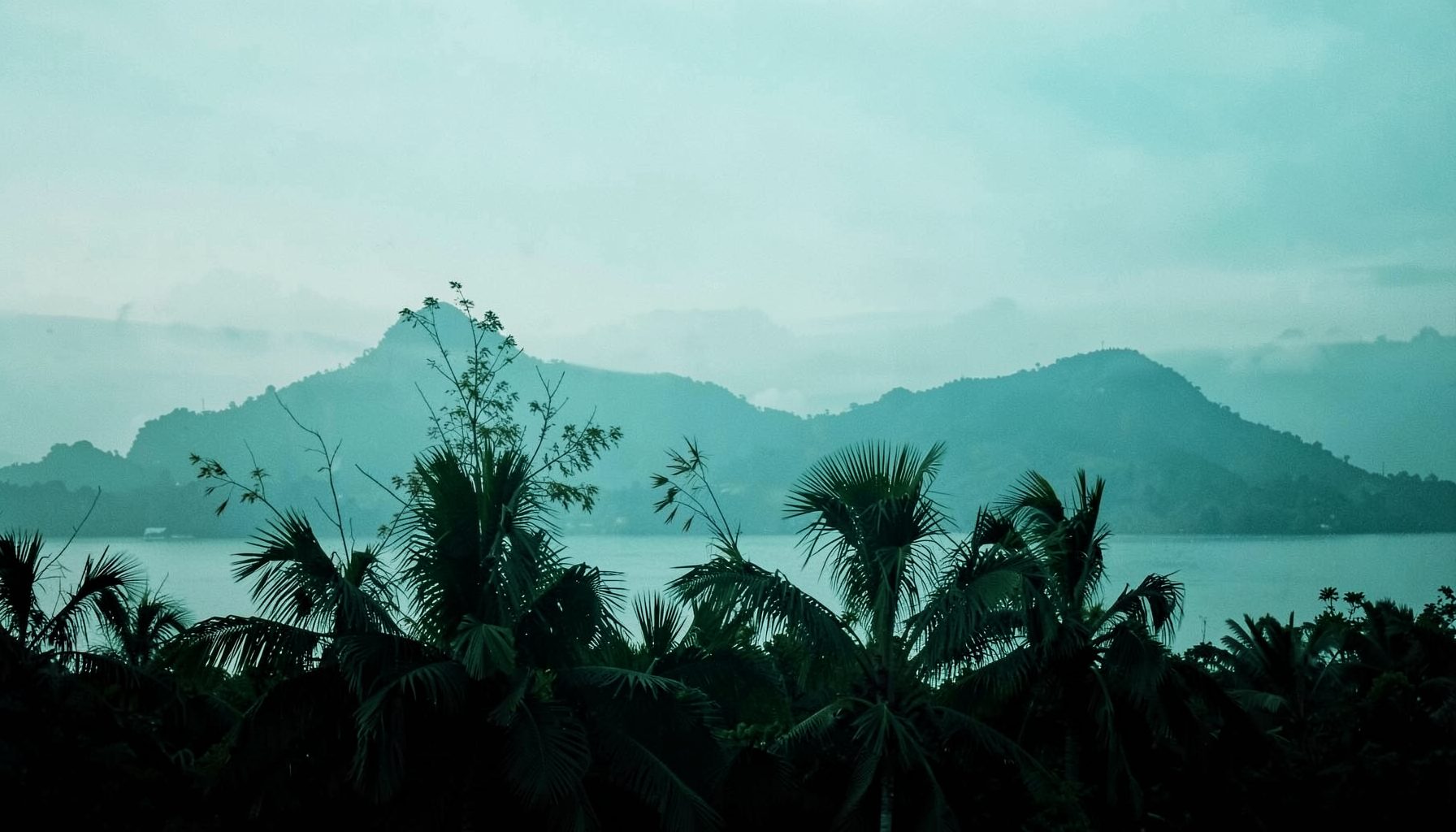
What We Offer
Send Money & Load
- Send Money — free
- Send Load — free
- Ask a Question about the Philippines
Simple, no-cost services for the community.
Business Listings
- Instant Listing — ₱99.00 ($1.99), no expiration
- Free Listing — ₱0.00, unlimited submissions
- Featured Listing — ₱999.00/year ($19.99)
Dining, Lodging, Outdoor Activities, and Nightlife categories.
Philippines Gifts
- Philippines-themed gifts available
- Every purchase supports the Philippine Red Cross
Share a piece of the Philippines with someone special.
Across Every Region
From the rolling hills of the Ilocos Region and the highlands of Cordillera, through the vast Cagayan Valley and the vibrant streets of the National Capital Region, down to the pristine shores of MIMAROPA and the fiery landscapes of Bicol — Salamat Philippines brings together listings that span all 18 regions. Whether you're drawn to Western Visayas, the Negros Island Region, Central or Eastern Visayas, or the southern reaches of Zamboanga Peninsula, Northern Mindanao, Bangsamoro, Caraga, SOCCSKSARGEN, and Davao Region, there is something here waiting to be discovered.
Featured listings have included Herbie's Catering & Events (serving since 2007, phone 0915-3545079, 59 Acapulco), ABC Hotel (phone +63 45 892 2222, Don Juico Avenue), and the BenCab Museum (phone +63 74 442 7165, Km 6 Asin Road). Browse, upvote your favorites, and sign the guest book to say Salamat.
How to Visit the Tarsier Sanctuary in Bohol Responsibly
Bohol’s Philippine tarsier is one of the country’s most distinctive wildlife encounters. With enormous eyes, delicate fingers, soft brown fur, and a body small enough to fit in your hand, this nocturnal primate looks almost unreal. Its appearance attracts visitors from around the world, but the experience is meaningful only when tourism supports the animals’ welfare.
The best-known conservation destination is the Philippine Tarsier Foundation sanctuary in Corella, a short drive from Tagbilaran City. The protected forest provides a more suitable setting than roadside displays, where tarsiers may be exposed to noise, handling, poor conditions, and constant disruption.
A thoughtful visit involves more than arriving, taking photographs, and leaving. Choosing a legitimate sanctuary, following quiet-observation rules, traveling at a suitable time, and supporting local conservation work all help protect this fragile species while keeping the encounter memorable.
Why Bohol’s Tarsiers Deserve Care
The Philippine tarsier, scientifically known as Carlito syrichta, is endemic to the Philippines. It lives in forested habitats and spends much of the day resting on branches or clinging to vegetation. After dark, it becomes active, moving through the trees in search of insects and other small prey.
Its large eyes are adapted to nighttime hunting, while its powerful hind legs allow it to leap between branches. These traits make the animal fascinating to observe, but they also reveal why a busy tourist environment can be stressful. Tarsiers are sensitive to sound, bright lights, sudden movement, and physical contact.
Habitat loss remains a serious concern. Forest clearing, agricultural expansion, roads, and development can divide the areas where tarsiers feed and reproduce. Conservation centers help by protecting woodland, educating visitors, supporting research, and creating public awareness about the species.
Visitors can also combine a tarsier trip with other wildlife experiences in the country. Travelers interested in observing animals without disturbing them can explore this guide to birdwatching in the Philippines, which offers ideas for low-impact nature activities in different regions.
Choosing The Right Sanctuary
The Philippine Tarsier Foundation sanctuary in Corella is generally regarded as the responsible choice for travelers who want to see tarsiers in a protected environment. It is associated with conservation work and provides a managed forest setting where visitors can observe the animals from designated paths.
Bohol also has other venues that use “tarsier sanctuary” or similar wording in their names. Some may be legitimate wildlife attractions, while others may offer a more commercial experience. Before visiting, check whether the location clearly explains its conservation role, protects natural habitat, and prohibits touching or holding the animals.
Roadside photo opportunities should be approached cautiously. A tarsier sitting on a tourist’s hand may appear harmless, but handling can cause stress and may expose the animal to injury, disease, and unnatural conditions. A responsible facility will prioritize observation over interaction and will have staff present to enforce visitor rules.
Look for current information about opening hours, admission prices, transport access, and any temporary restrictions before setting out. Conservation sites may adjust operations during severe weather, maintenance work, or periods when animal welfare requires fewer visitors.
Planning Your Journey From Panglao Or Tagbilaran
Corella is accessible by road from Tagbilaran City and the popular resort areas of Panglao Island. A private car, hired van, taxi, or tricycle may be practical depending on your group size and starting point. Ride-hailing availability can vary outside central tourist areas, so arranging a return journey in advance is useful.
Many visitors include the sanctuary in a wider Bohol day trip that features the Chocolate Hills, Loboc River, waterfalls, churches, or countryside viewpoints. Combining several attractions can save travel time, although an overcrowded itinerary may make the day rushed. Allow enough time for the sanctuary visit itself and for quiet travel through rural communities.
A morning visit is often comfortable because temperatures are lower and the surrounding forest may feel calmer. Tarsiers are nocturnal, so they are usually resting during daylight hours, which means visitors should not expect energetic movement. Their stillness is natural behavior rather than a sign that the animals are available for interaction.
Wear light, breathable clothing and comfortable walking shoes. The trails may include uneven ground, roots, steps, or damp surfaces after rain. Bring water, but keep snacks secured and consume them away from the viewing area. Insect repellent can be useful, provided it is applied before entering the sanctuary and does not disturb the animals.
What To Expect Inside The Forest
A sanctuary visit commonly begins with an orientation or a short explanation from staff. Guides may describe the tarsier’s biology, threats, and protected habitat before leading visitors along a designated route. Pay close attention to the briefing because the rules are designed around the animals’ natural behavior.
The viewing experience is usually quiet and relatively brief. A guide may point out a tarsier resting on a branch or hidden among leaves. The animals are small and well camouflaged, so patience matters. Use the guide’s directions rather than stepping off the path or searching through vegetation independently.
Photography is usually permitted within limits, but flash should be avoided. Bright light can disturb nocturnal animals that are resting during the day. Keep your camera or phone on silent mode, lower the screen brightness, and avoid using a torch unless staff specifically authorize it.
Do not expect a petting zoo experience. Tarsiers are wild animals, not domesticated mascots. Their value lies in seeing them behaving as naturally as possible, even if that means observing one motionless creature for several minutes rather than watching a staged performance.
Comparing Ways To See Bohol’s Tarsiers
Different options can appear similar in online searches, but the quality of the wildlife experience varies considerably. The following comparison can help travelers decide what best matches their priorities.
| Option | Setting | Typical Experience | Conservation Considerations |
|---|---|---|---|
| Philippine Tarsier Foundation sanctuary | Protected forest near Corella | Guided viewing from marked paths | Stronger focus on habitat protection, education, and responsible observation |
| Commercial wildlife attraction | Managed visitor facility | Easy viewing and frequent photography opportunities | Check whether handling, flash, or crowd pressure is allowed |
| Roadside animal display | Small roadside enclosure or informal site | Quick stop with close access to animals | Conditions and welfare standards may vary widely |
| Wild encounter with a local guide | Natural forest or rural habitat | Less predictable, more ecological experience | Requires an experienced guide and strict distance from wildlife |
| Tarsier-themed educational visit | Museum, exhibit, or community program | Information without guaranteed animal sightings | Useful for learning and supporting awareness when live viewing is unsuitable |
The protected sanctuary is usually the most balanced choice for first-time visitors. It offers a realistic chance of seeing tarsiers while giving conservation staff control over visitor behavior. A wild encounter can be rewarding, but it should be arranged through a reputable guide and never involve searching, baiting, or touching animals.
No facility can guarantee that every visitor will see a tarsier clearly. Weather, natural hiding places, visitor numbers, and animal behavior all affect sightings. Treating the visit as a wildlife observation rather than an entertainment show creates more respectful expectations.
Rules That Protect The Animals
The most important sanctuary rule is simple: never touch, hold, feed, or provoke a tarsier. Even gentle contact can cause distress. Tarsiers may also respond to perceived threats by fleeing, biting, or injuring themselves while trying to escape.
Keep voices low and remain with your group. Do not play music, shout to attract attention, imitate animal sounds, or use a phone speaker. Large groups should avoid crowding around one tree, and each person should allow others a clear but respectful viewing distance.
Follow the marked path and staff instructions at all times. Do not use a flash, bright torch, selfie stick, or drone unless the sanctuary has specifically approved it. Drones can create noise and movement that disturb wildlife well beyond the immediate viewing area.
Food, drink, and litter should stay outside the habitat unless staff provide a designated place. Avoid wearing strong fragrances or applying sprays near the animals. These details may seem minor, but reducing unfamiliar smells and contamination helps create a calmer environment.
Children should receive a clear explanation before entering. Encourage them to watch quietly and keep their hands to themselves. Adults are responsible for modeling good behavior, especially when taking photographs or moving through a narrow viewing area.
Making The Trip More Sustainable
A responsible tarsier visit begins with the choice of operator. Pay the official entrance fee, use registered guides where available, and avoid businesses that advertise holding, feeding, or posing with wildlife. Money spent through legitimate channels helps maintain staff, trails, educational programs, and habitat protection.
Consider booking transportation with a local driver or tour provider who understands the sanctuary’s rules. This keeps more visitor spending within Bohol communities and can make it easier to visit nearby restaurants, craft businesses, farms, and cultural sites without adding unnecessary transfers.
Reduce disposable waste by carrying a refillable bottle and taking all rubbish with you. Use reef-safe and forest-safe personal products where appropriate, and avoid collecting leaves, flowers, rocks, or other natural items as souvenirs. The forest should look the same after your visit as it did before you arrived.
If you are traveling during a busy period, visit early or choose a less crowded time recommended by the sanctuary. Smaller, quieter groups create a better experience for both people and animals. Respect any visitor limits, closed areas, or temporary changes in access.
A Practical Checklist For Your Visit
Use these habits to keep the experience safe, comfortable, and supportive of conservation:
- Confirm the sanctuary’s current hours, fees, transport details, and visitor rules before leaving.
- Choose a conservation-focused facility in Corella rather than an attraction that promotes handling or close-contact photos.
- Wear comfortable walking shoes, bring water, and prepare for heat, humidity, uneven paths, and rain.
- Keep your voice low, switch devices to silent mode, turn off flash, and stay on designated trails.
- Support local conservation by paying official fees, following staff instructions, and sharing accurate wildlife information afterward.
Bohol offers plenty of reasons to stay longer after seeing the tarsiers. Explore the island’s rural roads, river landscapes, heritage sites, food businesses, and outdoor attractions at a pace that allows local communities to benefit from tourism. A day built around thoughtful travel can be more rewarding than one focused on collecting the greatest number of stops.
The sanctuary visit also creates an opportunity to explain why wild animals should remain wild. Sharing photographs without encouraging touching, tagging responsible operators, and recommending ethical facilities can influence how other travelers plan their trips.
Plan your Bohol itinerary around a quiet, conservation-led tarsier experience, verify the latest visitor information before departure, and let the sanctuary’s rules guide your behavior. By choosing responsible wildlife tourism, you help preserve the forest, respect the animals, and support the people working to protect one of the Philippines’ most remarkable native species.

Get in Touch
Connect with Salamat Philippines on social media or send a message. We'd love to hear from you.
Facebook: /salamatphilippines
Twitter: @salamatphil
Instagram: @salamatphilippines
YouTube: salamat-philippines
LinkedIn: company/salamat-philippines
Email: [email protected]