
Discover exceptional hospitality across 18 regions — and give back with every listing.
100% of proceeds to Philippine Red Cross
What We Offer
Send Money & Load
- Send Money — free
- Send Load — free
- Ask a Question about the Philippines
Simple, no-cost services for the community.
Business Listings
- Instant Listing — ₱99.00 ($1.99), no expiration
- Free Listing — ₱0.00, unlimited submissions
- Featured Listing — ₱999.00/year ($19.99)
Dining, Lodging, Outdoor Activities, and Nightlife categories.
Philippines Gifts
- Philippines-themed gifts available
- Every purchase supports the Philippine Red Cross
Share a piece of the Philippines with someone special.
Across Every Region
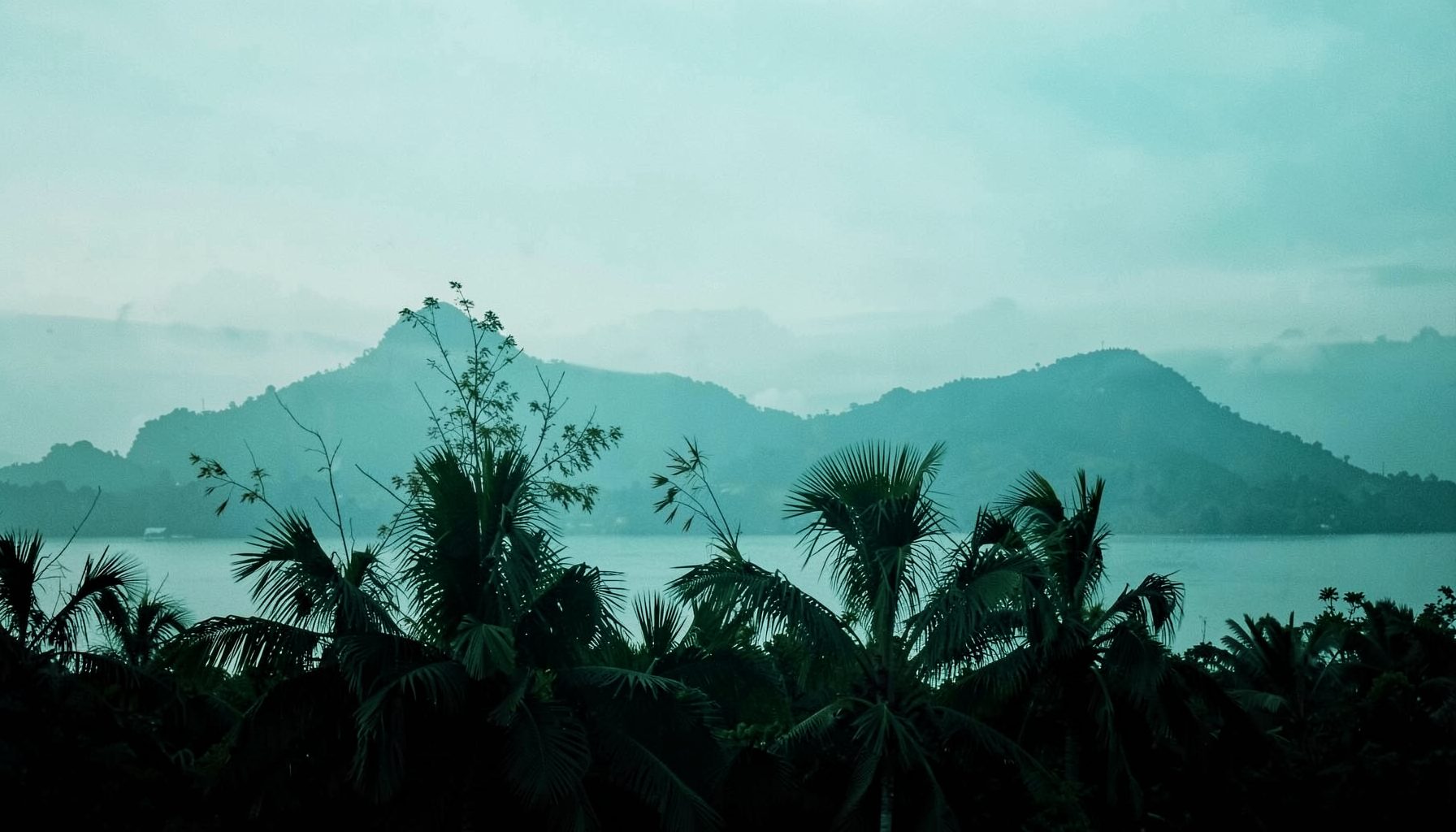
From the rolling hills of the Ilocos Region and the highlands of Cordillera, through the vast Cagayan Valley and the vibrant streets of the National Capital Region, down to the pristine shores of MIMAROPA and the fiery landscapes of Bicol — Salamat Philippines brings together listings that span all 18 regions. Whether you're drawn to Western Visayas, the Negros Island Region, Central or Eastern Visayas, or the southern reaches of Zamboanga Peninsula, Northern Mindanao, Bangsamoro, Caraga, SOCCSKSARGEN, and Davao Region, there is something here waiting to be discovered.
Featured listings have included Herbie's Catering & Events (serving since 2007, phone 0915-3545079, 59 Acapulco), ABC Hotel (phone +63 45 892 2222, Don Juico Avenue), and the BenCab Museum (phone +63 74 442 7165, Km 6 Asin Road). Browse, upvote your favorites, and sign the guest book to say Salamat.
Riding the Manila to Baguio Bus: A Practical Guide for Australian Travellers
For Australians planning a Philippine adventure, the overland journey from Manila to Baguio sits high on most bucket lists. The roughly 250 kilometre route climbs from the tropical lowlands of Luzon into the pine-scented Cordillera mountains, swapping jeepneys and chaotic EDSA traffic for winding hill roads, vegetable terraces, and eventually the cool, misty highland air of the country's summer capital. Travelling by long-distance coach is the most common way to make the trip, and the system is well suited to backpackers, families, and expats returning home for a holiday.
Anyone who has caught the overnight Greyhound from Sydney to Melbourne, or the longer Premier Motor Service run up the coast to Byron Bay, will recognise the rhythm of a long-haul bus journey in this part of the world. The Philippine equivalent covers a similar time commitment but with a very different atmosphere, steeper mountain sections, and a stronger culture of snacks, karaoke, and conductors calling out destinations. For visitors arriving from Brisbane or Perth on a budget, the bus is also far cheaper than flying, particularly once you factor in the Australian dollar's healthy exchange rate against the Philippine peso and the cost of airport transfers.
This guide walks through the practicalities of booking, boarding, and arriving on a Manila to Baguio coach, drawing on the realities of Australian travel habits and the small differences in road culture that catch first-time visitors off guard. You will find operator comparisons, terminal notes, what to expect on the road, and a few tips on continuing your trip once the mountain city appears through the fog.
Picking the Right Bus Company for the Manila to Baguio Route
Five carriers dominate the Manila to Baguio corridor, and each has its own loyal following. Victory Liner is the largest and runs the most frequent departures from its Cubao terminal in Quezon City, with both ordinary and deluxe air-conditioned coaches. Genesis Transport, often called JoyBus for its premium service, operates from the same Pasay location used by many Baguio-bound tourists and offers executive class seating with fewer stops. Partas, Baliwag Transit, and Solid North round out the field, with each company running slightly different schedules and on-board amenities.
For travellers used to the strict safety standards of Australian intercity coaches, where seatbelts are mandatory and seat configurations are tightly regulated, the Philippine bus experience will feel more relaxed. Vehicles are generally modern, air-conditioned, and reasonably well maintained, but seatbelts are not always worn and aisle space can be tight. The trade-off is price, with fares typically landing between 700 and 1,500 pesos depending on class and operator, a fraction of what you would pay for a similar Sydney to Brisbane trip.
Pick an operator based on where you are staying in Manila and what time you want to arrive. Most Australians find the Victory Liner Cubao departures easiest, because Cubao is close to hostels in Quezon City and a short grab ride from Makati hotels. If you are coming off a late flight at Ninoy Aquino International Airport, the Pasay terminals used by Genesis and Solid North save you the long crawl through Manila's notorious evening traffic, which can stretch a 30 minute taxi into a 90 minute ordeal that echoes the worst of Sydney's M2 at peak hour.
Booking Tickets in Advance and What to Bring
Tickets can be bought in three ways: at the terminal counter on the day of travel, through the operator's official website, or via a growing list of third-party booking apps. Weekends, Holy Week, and the Panagbenga Flower Festival in February bring a surge of passengers, and during these periods seats sell out fast. Booking two to three days ahead is wise, particularly if you want the premium front-row or solo seats that Australians often compare to the spacious recliners found on some V/Line and NSW TrainLink regional services.
Payment at terminals is almost always cash, so have pesos ready before you arrive. ATMs are available inside the larger terminals, but they charge foreign transaction fees that will feel familiar to anyone who has used a Commonwealth Bank or ANZ card abroad. Online bookings through operator websites accept Philippine debit cards and sometimes credit cards with international billing addresses, although the latter occasionally triggers Australian bank fraud alerts, so it pays to let your bank know before you travel.
A few packing basics will make the trip more pleasant. Bring a light jacket even if you left Manila in shorts and sunscreen, because air-conditioning on these coaches is turned up high and the temperature drops noticeably as the bus climbs toward Benguet. A small pillow, earplugs, and a refillable water bottle also go a long way, especially on overnight services where sleep is the goal. If you tend to get carsick on winding roads, similar to the Great Ocean Road between Torquay and Apollo Bay, take motion sickness tablets before departure as the zigzag sections near Kennon Road are notorious.
Manila Terminals: Cubao and Pasay Compared
Cubao is the older and more chaotic of the two main departure hubs, a tangle of terminals clustered around EDSA and Aurora Boulevard. It is the kind of place where first-time visitors find themselves weaving past cargo trucks, porters, and snack vendors, with multiple bus companies operating from separate buildings that can be a 10 minute walk apart. The upside is sheer convenience for anyone based in Quezon City or nearby districts, and the surrounding area is full of cheap eateries, 7-Eleven branches, and pharmacies worth checking before boarding.
Pasay, by contrast, is where most tourists leave from because it sits closer to the airport and the bigger hotel districts of Manila Bay. The terminal complex used by Genesis and a handful of other operators is more organised, with clearer signage and a waiting area that feels a step closer to a small domestic airport lounge. Australians who have flown in via Sydney or Melbourne and simply want to keep moving will appreciate the shorter transfer, although it is still wise to allow at least three hours between an international arrival and a bus departure to clear immigration, collect bags, and navigate the airport's notorious taxi queues.
Both terminals have baggage counters where larger items can be checked in for a small fee, usually 50 to 100 pesos per piece. Hold onto your baggage claim stub, as missing tags can create delays that rival a lost-luggage claim at Sydney Airport. For travellers with Australian-standard mobility needs, it is worth contacting the operator in advance through the contact page, where local staff can advise on the most accessible services and recommended departure points.
On the Road: Manila to Baguio by Day and by Night
The daytime journey takes between six and seven hours under good conditions, and the night buses around eight to nine, partly because they move more cautiously through unlit mountain sections. Leaving Manila, the bus threads through the packed streets of the capital, passes through the industrial suburbs of Valenzuela and Marilao, and reaches the lowland plains of Bulacan within the first hour. From there, the road begins its steady climb, passing through rice fields, onion farms, and the occasional bamboo grove that signals the approach to the Cordillera.
Night departures are popular because they let travellers sleep through the slowest part of the climb and arrive in Baguio fresh for breakfast. The trade-off is a less scenic experience, as the best views around the Ambuklao and Binga dams, and the dramatic drop into the Trinidad Valley, disappear into the dark. Day buses reward those who want to see the landscape shift from tropical lowland to pine forest, but they expose every pothole and hairpin turn, which can be a shock for visitors used to the smoother highways between Adelaide and the Barossa Valley.
On-board, expect a conductor to collect fares, hand out small bottles of water, and call out upcoming stops. Filipino passengers are generally courteous and quiet, and conversation with seatmates is common but not expected. Charging points are available on most deluxe coaches, although the plugs are the Philippine two-pin variety and voltage is 220 volts, so Australian devices with the right adapter will work fine. Wi-Fi is occasionally offered but rarely reliable, so a local SIM with data is the better option for staying online, much as Australians might rely on Telstra coverage when driving through regional NSW.
Stops, Food, and Comfort Breaks Along the Route
Every bus makes at least one scheduled stop, usually at a roadside restaurant or a designated rest area near the halfway point in Tarlac or Pangasinan. These stops typically last 20 to 30 minutes, enough time to use the toilet, buy a meal, and stretch tired legs. The food on offer is simple and inexpensive: rice plates with chicken adobo, longganisa sausages, pansit noodles, and the local favourite, goto, a rice porridge that is the highland equivalent of a warming winter breakfast back home in Hobart or Melbourne.
Toilets at the larger stops are squat-style and sometimes charge a small 10 to 20 peso fee, so carry small bills and tissues. Smaller stops sometimes have no functioning facilities at all, which is why seasoned travellers take a short bathroom break at the terminal before departure and avoid too much coffee in the first hour. If you are particular about hygiene, pack hand sanitiser and wet wipes, the same kit that fits in a daypack for a road trip down the Great Eastern Highway from Perth to Kalgoorlie.
Snacks on board are usually available from a passing vendor who boards at one of the stops, selling everything from peanuts and boiled eggs to banana cue and taho. Payment is cash only, and prices are reasonable. Hot drinks and instant noodles are sometimes available for a few extra pesos, a comfort that has earned the Philippine long-distance bus its reputation as one of the most hospitable ways to travel in Southeast Asia.
Arriving in Baguio and Continuing Your Trip
Most Manila to Baguio buses terminate at the city's main terminal near Burnham Park, a short walk from Session Road and the central business district. From here, taxis and jeepneys fan out to every corner of the city, and the famous strawberry and vegetable stalls of La Trinidad are only 20 minutes further up the mountain. The drop in temperature compared to Manila is striking, often 10 to 15 degrees cooler, so a jacket pulled from your daypack will be the first thing you reach for as you step off the bus.
For Australians who want to extend their Philippine stay, Baguio is an ideal base for trips to Sagada, Banaue, and the northern coastal towns of Ilocos. Local tourism offices, including the helpful staff reachable through the services hub, can point travellers towards onward transport, accredited guides, and trustworthy mountain homestays. Many of these services also support the Philippine Red Cross through listing fees, which gives a quiet sense of meaning to an otherwise straightforward journey.
Before you leave Baguio, register your travel with Australia's Smartraveller service, a habit that mirrors the safety briefings Qantas and Virgin give on long-haul flights. Keep digital copies of your passport and visa on your phone, and note the contact details of the Australian Embassy in Manila should anything go wrong. With those small steps done, the only thing left is to walk down Session Road, find a cafe serving barako coffee, and settle into the slow mountain rhythm that makes Baguio such a rewarding reward after the long climb from the capital.

Get in Touch
Connect with Salamat Philippines on social media or send a message. We'd love to hear from you.
Facebook: /salamatphilippines
Twitter: @salamatphil
Instagram: @salamatphilippines
YouTube: salamat-philippines
LinkedIn: company/salamat-philippines
Email: [email protected]