
Discover exceptional hospitality across 18 regions — and give back with every listing.
100% of proceeds to Philippine Red Cross
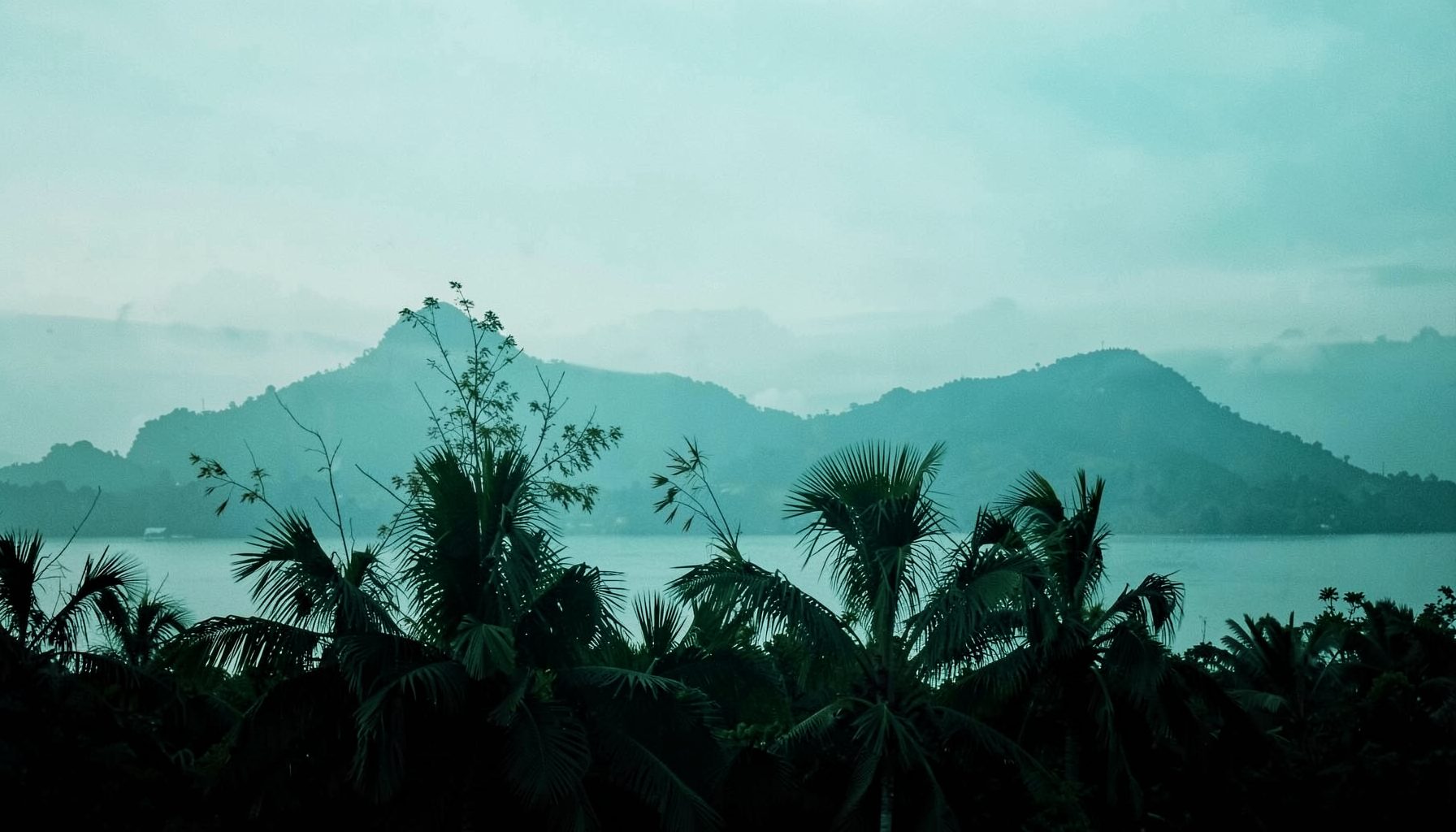
What We Offer
Send Money & Load
- Send Money — free
- Send Load — free
- Ask a Question about the Philippines
Simple, no-cost services for the community.
Business Listings
- Instant Listing — ₱99.00 ($1.99), no expiration
- Free Listing — ₱0.00, unlimited submissions
- Featured Listing — ₱999.00/year ($19.99)
Dining, Lodging, Outdoor Activities, and Nightlife categories.
Philippines Gifts
- Philippines-themed gifts available
- Every purchase supports the Philippine Red Cross
Share a piece of the Philippines with someone special.
Across Every Region
From the rolling hills of the Ilocos Region and the highlands of Cordillera, through the vast Cagayan Valley and the vibrant streets of the National Capital Region, down to the pristine shores of MIMAROPA and the fiery landscapes of Bicol — Salamat Philippines brings together listings that span all 18 regions. Whether you're drawn to Western Visayas, the Negros Island Region, Central or Eastern Visayas, or the southern reaches of Zamboanga Peninsula, Northern Mindanao, Bangsamoro, Caraga, SOCCSKSARGEN, and Davao Region, there is something here waiting to be discovered.
Featured listings have included Herbie's Catering & Events (serving since 2007, phone 0915-3545079, 59 Acapulco), ABC Hotel (phone +63 45 892 2222, Don Juico Avenue), and the BenCab Museum (phone +63 74 442 7165, Km 6 Asin Road). Browse, upvote your favorites, and sign the guest book to say Salamat.
Finding Saffron Farms And Spice Tours In The Cordillera
The Cordillera region is one of the Philippines’ most rewarding areas for agricultural travel. Its mountain roads lead to terraces, vegetable plots, herb gardens, coffee farms, flower nurseries, and markets filled with local produce. For travelers interested in saffron, however, the search requires realistic expectations: commercial saffron cultivation remains uncommon in the highlands.
The spice known as saffron comes from the dried red stigmas of Crocus sativus. It grows best in a particular seasonal pattern, with cool conditions, well-drained soil, and a relatively dry period during dormancy. Parts of Benguet and Mountain Province offer cooler temperatures than the lowlands, yet the Cordillera’s rainfall, soil conditions, and changing weather can make large-scale saffron production difficult.
That does not make a spice-focused journey impossible. It means visitors should look for experimental plots, specialty gardens, agricultural demonstrations, culinary workshops, and farms growing related highland crops. With the right approach, a search for saffron can become a broader exploration of Cordilleran agriculture and food culture.
Why Saffron Is Difficult To Find
Saffron is often confused with local products that have a similar color or culinary use. Turmeric, sometimes called Philippine saffron in informal conversation, is much more widely cultivated and produces a strong yellow-orange color. Annatto, ginger, and certain flowers may also be used as natural coloring agents. A vendor offering “saffron” may therefore be referring to turmeric rather than genuine saffron threads.
Authentic saffron consists of thin, fragile red-orange threads. Each flower produces only a few stigmas, which must be handpicked and carefully dried. This labor-intensive process explains the spice’s high price. Powdered saffron is harder to verify because it may contain turmeric, paprika, or other inexpensive ingredients.
In the Cordillera, a genuine saffron project is more likely to be a small trial or specialty planting than a large visitor-ready farm. Search for descriptions that mention Crocus sativus, saffron corms, flowering season, harvesting demonstrations, or controlled cultivation. If a listing only promises “saffron-colored spices” without identifying the plant, contact the operator before making travel plans.
Where To Begin Your Search
Benguet is the most practical starting point because it has a strong agricultural tourism network and is accessible from Baguio. La Trinidad, Atok, Buguias, and nearby municipalities are known for cool-climate farming, flowers, leafy vegetables, strawberries, herbs, and nursery production. A farm in this area may be able to explain whether it has tested saffron or can connect visitors with growers working on uncommon crops.
Mountain Province offers a different style of farm visit. Around Sagada, Bontoc, and nearby communities, travelers can find gardens, coffee producers, heirloom crops, medicinal plants, and small food enterprises. These destinations are better suited to guided cultural and agricultural experiences than to expecting a dedicated saffron estate. Ask guides whether any current crop trials or seasonal demonstrations are open to visitors.
Ifugao is another worthwhile area for learning about mountain agriculture. Banaue, Kiangan, and surrounding communities highlight rice terraces, native vegetables, forest products, and traditional foodways. A saffron-specific farm may not be available, but local guides, homestays, and agricultural organizations can provide useful context about which crops adapt to different elevations. Regional listings on Salamat Philippines can help you compare destinations, accommodations, activities, and local businesses before building a route.
Comparing Possible Spice Experiences
Travelers should distinguish between a confirmed saffron visit and a broader spice or farm tour. The latter can be just as rewarding, especially when it includes crop identification, harvesting, food preparation, and conversations with growers. A tour featuring turmeric, ginger, chilies, mountain herbs, and coffee may offer more hands-on learning than a brief viewing of a small saffron trial.
| Experience | What You May See | Best Areas To Check | What To Confirm |
|---|---|---|---|
| Saffron cultivation trial | Corms, flowers, harvesting, drying methods | Benguet and experimental gardens | Whether the crop is genuine Crocus sativus |
| Highland herb garden | Culinary herbs, medicinal plants, nursery beds | La Trinidad, Atok, Sagada | Seasonal availability and guided access |
| Turmeric and ginger farm | Rhizomes, processing, local recipes | Benguet, Mountain Province, Ifugao | Whether products are fresh, dried, or powdered |
| Community farm tour | Mixed crops, traditional tools, local food | Banaue, Kiangan, Bontoc, rural barangays | Community rules, guide fees, and transport |
| Farmers’ market visit | Spices, teas, dried herbs, preserves | Baguio and municipal markets | Product origin and ingredient labeling |
| Culinary workshop | Spice blending, Cordilleran dishes, tasting | Baguio, Sagada, and homestays | Menu, dietary needs, and booking requirements |
A market visit is useful even when no farm tour is operating. Speak with stallholders about the source of their saffron or saffron substitutes, then compare the appearance, aroma, packaging, and price. Genuine threads should have a distinctive fragrance and should not look like uniformly bright yellow powder.
Seasonality also matters. Saffron flowers are generally associated with autumn flowering in traditional growing regions, but local trial crops may follow a different schedule. A garden can have healthy corms without flowering during your visit. Contacting farms several weeks in advance is more reliable than assuming that a crop will be visible year-round.
How To Verify A Farm Or Tour
Start with the farm’s exact location, not just a municipal name. Mountain destinations can be separated by steep roads, limited public transport, and long travel times. Ask for a map pin, meeting point, road conditions, and the estimated duration of the visit. Some agricultural properties are private working farms and may accept guests only through a local guide or partner accommodation.
Ask direct questions about the crop. Useful questions include: What is the botanical name? When does it flower? Is the farm growing corms or harvesting dried stigmas? Can visitors see the plants rather than only packaged products? What other spices are included in the tour? Clear answers usually indicate that the operator understands the difference between saffron, turmeric, and other substitutes.
A legitimate tour should explain what guests can and cannot do. Visitors may be allowed to walk through a garden, harvest a small amount of produce, or watch a demonstration, but they should not pull plants, enter restricted plots, or handle drying equipment without permission. Reading Philippine travel etiquette guidance before visiting rural communities is especially helpful when a tour includes homes, ancestral areas, or culturally significant landscapes.
Planning A Cordillera Spice Itinerary
A practical itinerary can begin in Baguio, where travelers can arrange transport, supplies, and a first market visit. From there, continue toward La Trinidad or Atok for highland farms and nurseries. Travelers with more time can extend the journey toward Sagada, Bontoc, Banaue, or Kiangan, depending on road conditions and interest in coffee, terrace agriculture, herbs, or traditional cuisine.
Allow extra time for weather and transport. Roads in the Cordillera are scenic but winding, and landslides or heavy rain can affect travel. A farm that appears close on a map may take much longer to reach than expected. Private vehicles, accredited local guides, and locally arranged vans are often more practical than trying to connect several remote sites by infrequent public transport.
A good day tour should combine several activities rather than depend entirely on a single saffron plot. You might visit a herb garden in the morning, stop at a vegetable or flower farm, explore a public market, and finish with a cooking demonstration. This structure gives the trip value even if saffron is out of season or a trial planting is too small for public viewing.
Responsible Buying And Farm Visits
Buy directly from growers when possible, but ask how products were produced and packaged. Fresh turmeric, dried ginger, mountain tea, chili blends, and herb salts are often more dependable Cordillera souvenirs than unverified saffron powder. If purchasing genuine saffron threads, choose a sealed package with a clear origin, botanical identification, harvest information, and reasonable quantity.
Small mountain farms benefit from respectful tourism. Pay the agreed guide or entrance fee, request permission before taking photographs, and avoid treating working fields as scenic backdrops. Some communities have their own rules about sacred places, water sources, forests, and ceremonial areas. A local guide can explain these expectations and help direct spending toward community-based providers.
Use these checks when arranging a spice-focused excursion:
- Confirm that “saffron” means Crocus sativus, not turmeric or another coloring spice.
- Request the farm’s location, flowering season, accessibility, and visitor policy.
- Choose a guide who can explain local crops, food traditions, and community protocols.
- Plan alternative stops such as herb gardens, coffee farms, markets, or culinary workshops.
- Buy labeled products from growers or established local enterprises whenever possible.
Turning A Saffron Search Into A Food Journey
The most satisfying Cordillera spice tours are rooted in the wider food system. Highland farmers grow crops suited to elevation, rainfall, slope, and available labor. Their work includes seed saving, terrace maintenance, nursery care, drying, fermentation, and selling produce through local markets. A visit that reveals these connections offers a fuller understanding of the region than a quick product-focused stop.
Look for experiences involving Cordilleran ingredients such as turmeric, ginger, native chilies, chayote, mountain greens, coffee, heirloom rice, and local herbs. Some hosts may demonstrate how spices are dried, pounded, blended, or added to everyday dishes. Others may offer a farm meal featuring ingredients harvested nearby. These activities are often more established than saffron cultivation and can provide meaningful interaction with local producers.
Before setting out, check current listings, contact operators directly, and keep your schedule flexible. Agricultural tourism changes with planting cycles, harvests, weather, and community events. A careful search can lead to a genuine saffron experiment—or to a richer collection of farms, markets, gardens, and kitchens across the Cordillera.
Use Salamat Philippines to research Cordillera destinations and local businesses, then contact potential hosts to ask about current crop conditions and tour availability. Build your route around verified agricultural experiences, support community providers, and leave room for the unexpected discoveries that make a mountain food journey memorable.

Get in Touch
Connect with Salamat Philippines on social media or send a message. We'd love to hear from you.
Facebook: /salamatphilippines
Twitter: @salamatphil
Instagram: @salamatphilippines
YouTube: salamat-philippines
LinkedIn: company/salamat-philippines
Email: [email protected]