
Discover exceptional hospitality across 18 regions — and give back with every listing.
100% of proceeds to Philippine Red Cross
What We Offer
Send Money & Load
- Send Money — free
- Send Load — free
- Ask a Question about the Philippines
Simple, no-cost services for the community.
Business Listings
- Instant Listing — ₱99.00 ($1.99), no expiration
- Free Listing — ₱0.00, unlimited submissions
- Featured Listing — ₱999.00/year ($19.99)
Dining, Lodging, Outdoor Activities, and Nightlife categories.
Philippines Gifts
- Philippines-themed gifts available
- Every purchase supports the Philippine Red Cross
Share a piece of the Philippines with someone special.
Across Every Region
From the rolling hills of the Ilocos Region and the highlands of Cordillera, through the vast Cagayan Valley and the vibrant streets of the National Capital Region, down to the pristine shores of MIMAROPA and the fiery landscapes of Bicol — Salamat Philippines brings together listings that span all 18 regions. Whether you're drawn to Western Visayas, the Negros Island Region, Central or Eastern Visayas, or the southern reaches of Zamboanga Peninsula, Northern Mindanao, Bangsamoro, Caraga, SOCCSKSARGEN, and Davao Region, there is something here waiting to be discovered.
Featured listings have included Herbie's Catering & Events (serving since 2007, phone 0915-3545079, 59 Acapulco), ABC Hotel (phone +63 45 892 2222, Don Juico Avenue), and the BenCab Museum (phone +63 74 442 7165, Km 6 Asin Road). Browse, upvote your favorites, and sign the guest book to say Salamat.
Exploring Siquijor Island Magic, Myths, And Coastal Wonders
Siquijor has a reputation that arrives before the traveler does. Stories of healers, enchanted forests, mysterious lights, and old rituals have given the island an otherworldly image, while its beaches, waterfalls, coral gardens, and quiet roads reveal a destination grounded in natural beauty. The result is a place where folklore and everyday island life exist side by side.
Located in Central Visayas, Siquijor is small enough to explore by motorbike or hired tricycle, yet varied enough to reward slow travel. Visitors can swim beneath jungle waterfalls in the morning, watch the sunset over the Sulu Sea, and hear a local story about spirits or herbal medicine before dinner.
The island’s magic is best understood through its people and landscapes rather than treated as a collection of spooky attractions. Respectful curiosity opens the door to a richer experience, especially when meeting residents whose traditions have been simplified or sensationalized by outside storytelling.
First Impressions Of The Island
Siquijor’s coastline, rolling interior, and compact network of roads make orientation relatively easy. Larena and Siquijor town are common arrival points, with ferries connecting the island to Dumaguete, Bohol, Cebu, and other destinations depending on the season and current schedules. San Juan is popular with visitors seeking beach resorts, cafés, and sunset views, while Lazi and Maria offer access to waterfalls, heritage sites, and quieter coastal scenery.
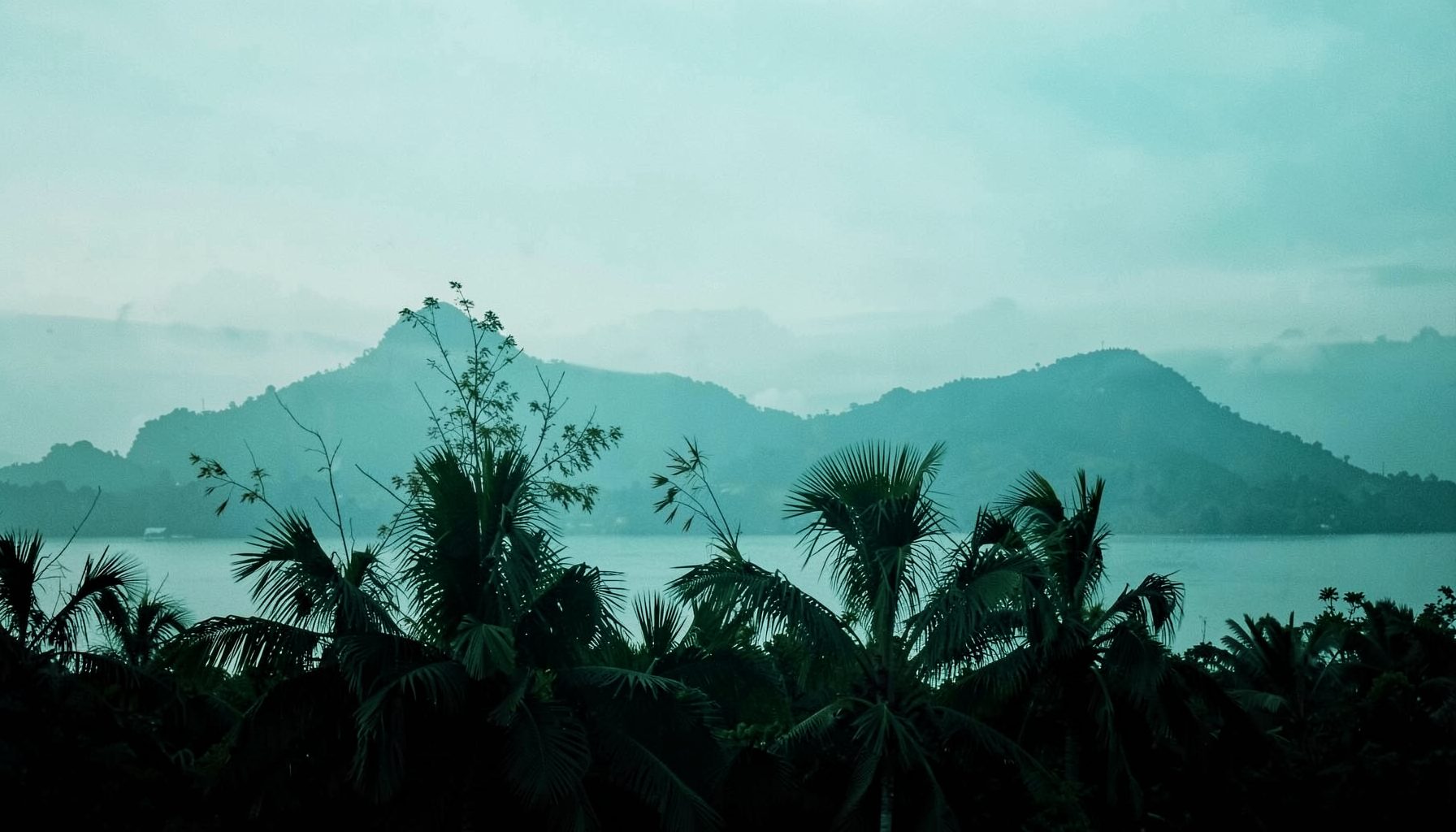
The pace changes quickly once you leave the main port areas. Coconut palms line rural roads, roadside stores serve coffee and snacks, and small chapels appear between rice fields and forested slopes. A scooter is convenient for experienced riders, but travelers who do not feel comfortable driving can arrange a tricycle with a driver for a day of sightseeing.
Siquijor is also an island of contrasts. A lively beach bar may be only a short ride from a centuries-old church, while a popular waterfall can sit near a village where daily routines have remained largely unchanged. Allow extra time for unplanned stops because the most memorable moments often come from a roadside view, a conversation, or a quiet stretch of coast.
Myths, Healers, And The Island’s Mystique
Siquijor’s supernatural reputation is linked to oral traditions about mananambal, or traditional healers, and the use of herbs, prayers, oils, and ritual knowledge. Some island residents continue to consult folk healers, while others see these customs as part of family history and cultural identity rather than a service intended for tourists. The term “witchcraft” is often used loosely by outsiders, but it can flatten complex beliefs into a sensational label.
One tradition associated with Siquijor is bolo-bolo healing, in which a healer uses a glass of water, a stone, and other elements to interpret or address an illness. Accounts differ between practitioners, and visitors should never assume that a ceremony is a performance arranged for photography. If an opportunity to learn about traditional healing arises, ask permission, listen carefully, and accept that some practices may remain private.
The island’s myths also draw strength from its natural setting. Dense vegetation, caves, old trees, and dimly lit roads can encourage stories about spirits and enchanted beings. The famous balete tree near Lazi, with roots growing around a natural spring, is often connected with local legends. Whether or not a visitor believes the stories literally, they show how communities give meaning to landscapes.
A respectful traveler can enjoy the mystery without mocking local beliefs or presenting them as proof of danger. Avoid calling residents “witches,” asking people to demonstrate rituals for entertainment, or buying supposed magical objects without understanding their cultural context. The most valuable souvenir may be a better appreciation of how folklore survives through memory, place, and conversation.
Waterfalls, Caves, And Forest Paths
Cambugahay Falls is one of Siquijor’s best-known natural attractions. Its tiered turquoise pools and rope swings create an energetic atmosphere, particularly during busy hours. Arriving early can make the visit more peaceful, while wearing secure footwear helps on wet paths and stone steps. Follow local safety instructions, use designated swimming areas, and avoid climbing on fragile rock formations.
For a quieter experience, travelers can look toward smaller springs, coastal viewpoints, and forest roads around Lazi, San Juan, and the island’s interior. Cantabon Cave offers an adventure involving narrow passages, water, and uneven surfaces, so it should be visited with an authorized local guide and suitable equipment. Conditions can change after rain, and cave exploration is not appropriate for every visitor.
Mount Bandilaan provides elevated views and a chance to experience Siquijor’s greener side. The island’s forest habitat supports birds, insects, plants, and small animals that are easy to miss when rushing between famous attractions. A slow walk with a guide can reveal medicinal plants, local place names, and stories that do not appear on a standard itinerary.
Swimming holes and waterfalls can become slippery after heavy weather, and currents around coastal areas deserve equal caution. Leave no plastic behind, keep food away from wildlife, and resist the temptation to collect shells, coral, stones, or plants. The island’s appeal depends on preserving the environments that its legends celebrate.
Beaches, Reefs, And Sunset Hours
Paliton Beach is widely loved for its pale sand, calm-looking water, and sunset views. It can become crowded near the end of the day, so visitors who want a quieter atmosphere may explore nearby stretches of coast or arrive earlier. Swimming conditions vary with tides and weather, and calm water should never be taken as a guarantee of safety.
Salagdoong Beach, coastal rock formations, and smaller coves offer different versions of Siquijor’s shoreline. Some sites are best for swimming, others for photography or simply sitting beside the sea. Check current access rules before traveling, since opening hours, entrance policies, and facilities can change.
The waters around Siquijor attract snorkelers and divers because of coral reefs, seagrass beds, and marine life. Use reef-safe habits by avoiding contact with coral, wearing buoyancy equipment rather than standing on the seabed, and declining activities that handle turtles or other wildlife. Local dive shops and community-based guides can explain currents, protected areas, and responsible viewing practices.
Evenings are often more memorable when kept simple. Find a clean beach, order a local meal, and watch the sky change over the water. Fire dancers, music, and nightlife are available in some areas, but a low-key sunset can fit the island’s character better than trying to fill every hour with activities.
Planning A Smooth Island Stay
Transport and timing require a little flexibility. Ferry departures can be affected by weather, maintenance, or operational changes, particularly during the rainy season. Confirm schedules close to your travel date and avoid arranging a tight same-day connection with an international flight or long-distance bus. A buffer night in Dumaguete or on Siquijor can prevent a minor delay from disrupting an entire journey.
Accommodation ranges from simple homestays and guesthouses to boutique resorts and beach properties. San Juan has a strong concentration of visitor services, while other municipalities may offer a more residential atmosphere. Booking ahead is sensible during holidays and peak dry-season weekends, but independent travelers may find additional options by contacting properties directly.
Use the Siquijor listings to compare attractions, hospitality providers, restaurants, and activities while shaping a route around the island. A map-based search can help group nearby stops and reduce unnecessary driving, which is especially useful when planning a day that combines a waterfall, heritage site, and sunset beach.
| Travel Priority | Good Areas To Consider | What To Expect | Helpful Planning Note |
|---|---|---|---|
| Beaches and sunset | San Juan and the western coast | Beach cafés, swimming spots, evening views | Popular areas are busiest near sunset |
| Waterfalls and heritage | Lazi and nearby inland roads | Cambugahay Falls, old churches, forest scenery | Start early and wear shoes with traction |
| Quiet coastal travel | Maria and Enrique Villanueva | Less-developed shorelines and village roads | Bring cash, water, and offline directions |
| Transport connections | Larena and Siquijor town | Ports, markets, supplies, and local transport | Check ferry schedules before finalizing plans |
| Nature and viewpoints | Mount Bandilaan and central Siquijor | Forest roads, elevation, and broad island views | Weather can make paths slippery |
Cash remains useful because smaller eateries, roadside stalls, guides, and transport providers may not accept cards. Mobile data can be inconsistent in rural areas, so download maps and save accommodation details before leaving the main town. Pack sun protection, insect repellent, a reusable bottle, lightweight rain gear, and clothing suitable for churches and community spaces.
Food, Community, And Everyday Island Life
Exploring Siquijor is also an opportunity to support local livelihoods. Eat at family-run restaurants, buy snacks from neighborhood stores, and choose guides who explain how fees are distributed. Fresh seafood, grilled dishes, rice meals, tropical fruit, and regional Filipino comfort food are common parts of the island’s dining scene. Ask about ingredients when needed, especially if you have allergies.
The best conversations often happen away from headline attractions. A market vendor may explain where a fruit came from, a driver may suggest a less crowded viewpoint, and a resort worker may share a family story about a nearby spring. Listen more than you speak, and remember that friendliness does not automatically mean someone has agreed to be photographed or quoted online.
Dress modestly when visiting churches, cemeteries, healing spaces, or villages where local customs are especially important. Ask before photographing ceremonies, homes, children, and traditional practitioners. If a story involves spirits, curses, or healing, avoid demanding a definitive explanation; oral traditions can hold different meanings for different families.
Travelers can also contribute through practical choices. Refill water instead of buying multiple plastic bottles, carry waste until a proper bin is available, and choose accommodations that manage sewage and water responsibly. Supporting conservation fees and locally operated tours helps keep natural and cultural sites valuable to the communities that protect them.
A Thoughtful Route For Several Days
A three-day visit can provide a satisfying overview without turning the island into a checklist. Spend the first day settling in, exploring the nearest coast, and visiting a market or heritage site. Use the second day for inland scenery such as Cambugahay Falls and Mount Bandilaan, allowing time for breaks rather than adding every possible stop.
On the third day, choose between a beach-and-snorkeling itinerary, a cave adventure, or a slower loop through the northern and eastern municipalities. Visitors with more time can devote an extra day to diving, village walks, wellness experiences, or simply revisiting a favorite beach at a different tide. Siquijor rewards repetition because light, weather, and atmosphere change quickly.
A flexible route is safer than a packed schedule. Rain can turn dirt roads muddy, ferry delays can shift arrival times, and popular sites may be less enjoyable when crowded. Keep one open afternoon for rest or exploration near your accommodation.
Practical Habits For A Better Visit
- Hire local guides for caves, healing traditions, remote trails, and activities that require specialized knowledge.
- Ask permission before taking photographs, recording stories, or entering private ritual and healing spaces.
- Carry cash, drinking water, sun protection, and a charged phone with offline maps.
- Protect reefs and waterfalls by avoiding coral contact, single-use plastics, and unsafe climbing.
- Leave time for markets, small eateries, village roads, and conversations beyond the main attractions.
The island’s myths become more meaningful when placed beside real communities, living traditions, and vulnerable ecosystems. Rather than searching for a staged encounter with the supernatural, notice how stories shape the way people describe trees, caves, springs, storms, and healing. That perspective turns a quick sightseeing trip into a deeper cultural journey.
Siquijor’s charm lies in the balance between the familiar and the mysterious: a busy ferry port leading to an empty road, a cheerful beach beside an old chapel, or a healer’s story shared after a day in the forest. Begin organizing your route through the Philippine travel directory, then choose local businesses and experiences that respect the island’s people, places, and enduring sense of wonder.

Get in Touch
Connect with Salamat Philippines on social media or send a message. We'd love to hear from you.
Facebook: /salamatphilippines
Twitter: @salamatphil
Instagram: @salamatphilippines
YouTube: salamat-philippines
LinkedIn: company/salamat-philippines
Email: [email protected]