
Discover exceptional hospitality across 18 regions — and give back with every listing.
100% of proceeds to Philippine Red Cross
What We Offer
Send Money & Load
- Send Money — free
- Send Load — free
- Ask a Question about the Philippines
Simple, no-cost services for the community.
Business Listings
- Instant Listing — ₱99.00 ($1.99), no expiration
- Free Listing — ₱0.00, unlimited submissions
- Featured Listing — ₱999.00/year ($19.99)
Dining, Lodging, Outdoor Activities, and Nightlife categories.
Philippines Gifts
- Philippines-themed gifts available
- Every purchase supports the Philippine Red Cross
Share a piece of the Philippines with someone special.
Across Every Region
From the rolling hills of the Ilocos Region and the highlands of Cordillera, through the vast Cagayan Valley and the vibrant streets of the National Capital Region, down to the pristine shores of MIMAROPA and the fiery landscapes of Bicol — Salamat Philippines brings together listings that span all 18 regions. Whether you're drawn to Western Visayas, the Negros Island Region, Central or Eastern Visayas, or the southern reaches of Zamboanga Peninsula, Northern Mindanao, Bangsamoro, Caraga, SOCCSKSARGEN, and Davao Region, there is something here waiting to be discovered.
Featured listings have included Herbie's Catering & Events (serving since 2007, phone 0915-3545079, 59 Acapulco), ABC Hotel (phone +63 45 892 2222, Don Juico Avenue), and the BenCab Museum (phone +63 74 442 7165, Km 6 Asin Road). Browse, upvote your favorites, and sign the guest book to say Salamat.
Exploring Negros Oriental’s Twin Lakes
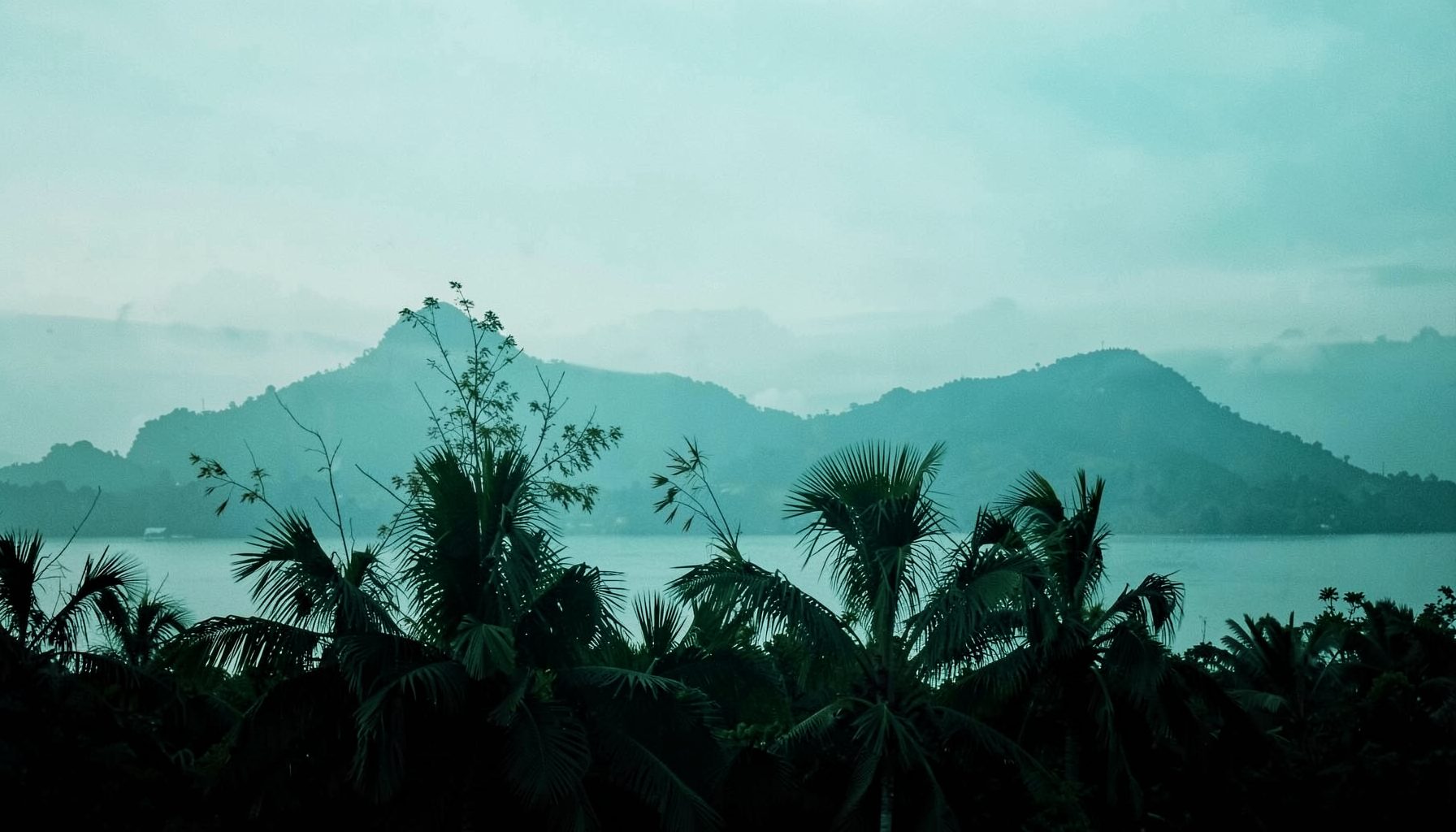
High in the volcanic mountains of Negros Oriental, two dark, forest-fringed lakes offer a cooler and quieter alternative to the Philippines’ famous coastal destinations. Balinsasayao and Danao sit within the Twin Lakes Natural Park, where steep slopes, thick rainforest and calls from native birds create a striking contrast with the busy streets of Dumaguete.
The lakes are close enough to visit as a day trip, yet the journey feels far removed from the city. The route climbs through rural communities, plantations and winding mountain roads before reaching a landscape shaped by volcanic activity and abundant rainfall. Mist can gather over the water, while sudden clear spells reveal layers of green ridges.
For Australian travellers, this is a destination suited to people who enjoy nature, simple outdoor activities and slower travel. It does not offer a polished resort experience. Instead, the appeal lies in freshwater scenery, local guides, forest walks and the chance to see a less commercial side of the Visayas.
A visit also fits neatly into a wider Negros Oriental itinerary. Dumaguete works as a practical base, with cafés, accommodation and transport connections, while nearby Valencia, Bacong, Dauin and the coast provide other options for food, diving and inland exploration.
The setting beneath Mount Talinis
The two lakes occupy a mountainous area associated with Mount Talinis, one of the prominent volcanic peaks of Negros Island. Balinsasayao is generally recognised as the larger lake, while Danao has a more intimate, enclosed character. Both are surrounded by forested slopes that support a range of birds, reptiles, amphibians and plant life.
Their appearance changes with the weather. On a bright morning, the water can reflect the surrounding hills almost perfectly. During cloudy periods, the scenery becomes atmospheric, with low cloud drifting across the ridges. Rain is common in the highlands, so visitors should expect damp paths and occasional changes to activity plans.
The protected landscape is valuable because it preserves a pocket of upland habitat close to a growing regional centre. The forest also helps regulate water flow for communities below. Visitors are expected to respect marked areas, avoid litter and follow local rules designed to protect the lakes and their surrounding vegetation.
Getting there from Dumaguete
Dumaguete is the most convenient launch point for the Twin Lakes. The city is reachable by air from Manila and Cebu, and ferries connect it with other islands in the central Philippines. From the city, the road heads inland and uphill, passing through built-up areas before becoming narrower and more rural.
A private car, hired van, motorbike or organised day tour can be used for the journey. The final approach includes steep and twisting sections, and road conditions may vary after heavy rain. A local driver is especially useful if you are unfamiliar with Philippine mountain roads, where traffic, tricycles, pedestrians and livestock can all appear unexpectedly.
Travellers coming from Sydney or Melbourne may find the road distance modest but the journey time less predictable than a similar trip in Australia. Allow extra time rather than planning a tightly timed return flight. From Brisbane, visitors will already be familiar with warm humidity, but the uplands can feel noticeably cooler, particularly in the early morning.
A motorbike can provide flexibility, although it is best suited to confident riders with appropriate licences and insurance. Rain, loose gravel and poor visibility can make the highland route demanding. A car with a driver is often the most comfortable option for couples, families or anyone carrying photography equipment.
What to do at the lakes
The classic activity is a boat ride across or around the lake. Small local boats provide a close view of the forested shoreline and are generally the easiest way to appreciate the scale of the water. The ride is calm rather than adventurous, making it suitable for visitors who want scenery without a strenuous hike.
Some viewpoints allow visitors to look across the lakes from above. Walking options may include short forest paths and access routes around the visitor areas, although conditions and availability can change. Comfortable shoes with good grip are preferable to fashion sandals or smooth-soled thongs, especially after rain.
Birdwatching is one of the quieter pleasures of the area. Early arrivals have better opportunities to hear forest species before groups become active. Binoculars, a light rain jacket and insect repellent are worthwhile additions to a day bag. Large camera lenses are useful, but the landscape is rewarding even with a phone camera.
Swimming is not necessarily the central attraction and may be restricted in some areas. Visitors should follow instructions from park staff and boat operators rather than assuming that freshwater access means unrestricted swimming. The same applies to fishing, drones and off-trail exploration.
When to visit and what to pack
Negros Oriental has a tropical climate, with warm conditions at lower elevations and frequent rainfall in the mountains. The dry season can offer more reliable roads and clearer views, but no month guarantees sunshine. The wet season can produce lush scenery while making the approach more slippery and the lake surface less predictable.
An early start is usually worthwhile. Morning light can create the best reflections, and cooler temperatures make the uphill journey more pleasant. Arriving early also reduces the chance of sharing a small viewpoint with a large group. Weekends and Philippine public holidays may be busier, particularly when residents of Dumaguete and nearby towns make short recreational trips.
Pack a waterproof layer, spare shirt, sun protection, insect repellent, drinking water and small denominations of Philippine pesos. Card payments may not be available for every local charge. Australian visitors accustomed to tapping a card at almost every café in Melbourne or Sydney should prepare for cash-based transactions in rural areas.
A dry bag or sealed pouch protects phones, passports and spare batteries during boat rides. Lightweight trousers can be more comfortable than shorts if insects are active. Avoid bringing single-use packaging where possible, since waste collection and disposal are more difficult in remote natural areas.
Food, accommodation and local rhythm
Most visitors stay in Dumaguete or combine the lakes with accommodation in Valencia. Dumaguete offers hotels, guesthouses, restaurants and cafés across a range of budgets. Its compact centre makes it easy to organise an early departure, although travellers should confirm pickup times because mountain trips may begin before breakfast service.
Valencia provides a more rural atmosphere and can be a suitable choice for visitors who want cooler evenings and easier access to inland attractions. Small eateries serve Filipino staples such as rice meals, grilled meat, noodles and vegetable dishes. Some accommodation providers can arrange packed breakfasts for an early start.
The food experience is different from the café culture of Adelaide or the busy brunch scene in Sydney. Meals may be simple, generous and prepared around local availability. Fresh fruit, coconut-based dishes and grilled seafood are common across the region, although seafood is more strongly associated with the coast than the mountain lakes.
Respect for local routines matters. Ask before photographing residents, homes or children, and keep voices low near forest areas. Tipping is appreciated in some tourist settings but is not handled exactly as it is in Australia. A small amount for a helpful guide or boat operator is appropriate when service has been good, provided it does not replace agreed fees.
Building a wider Negros Oriental itinerary
The Twin Lakes are easy to combine with other experiences around Dumaguete. Dauin is known for shore diving and marine encounters, while Apo Island is a popular destination for snorkelling and diving trips. Valencia has waterfalls, mountain scenery and agricultural landscapes that suit a second inland day.
The city itself offers a relaxed base for several nights. The boulevard is popular for evening walks, and local restaurants serve Filipino, Asian and international food. Travellers who prefer a gentle pace can alternate active days with time in town rather than attempting every attraction in one long schedule.
The lakes also complement a broader Philippine journey. Visitors who have already explored the famous beaches may appreciate the change in mood; a useful example is this guide to Palawan’s hidden beaches, which shows how quieter places can offer a different travel experience from the country’s headline destinations.
Allowing two or three nights in the area gives flexibility if rain affects the mountain road. It also supports local accommodation providers, guides and restaurants instead of reducing the visit to a rushed stop between transport connections.
Responsible travel in a protected landscape
The lakes are most enjoyable when visitors treat them as a living ecosystem rather than a backdrop for a quick photo. Stay within permitted areas, take rubbish away when bins are unavailable and avoid touching wildlife. Food scraps can attract animals and change natural behaviour, even when left with good intentions.
Plastic waste is a practical concern in rural destinations. Refillable water bottles, reusable bags and minimal packaging make a noticeable difference. Sunscreen, insect repellent and toiletries should be used carefully around freshwater, and visitors should never pour chemicals or wash directly in the lakes.
Hiring local services gives the trip a stronger community benefit. A local boat operator or guide can explain seasonal conditions, identify birds and help visitors navigate the site respectfully. Agree on prices and inclusions before setting out, particularly when arranging transport, meals or additional stops.
Travel information can change as facilities, access rules and road conditions develop. Before leaving Dumaguete, confirm opening arrangements and weather conditions through a reliable local source or the Salamat Philippines contact page. Planning with current information helps avoid unnecessary journeys and supports safer, more responsible visits.
The Twin Lakes of Balinsasayao and Danao reward patience. Their appeal is found in cool mountain air, reflected forest, quiet boat rides and the feeling of reaching a place that remains connected to local communities and natural rhythms. For Australian travellers seeking a scenic break from resort corridors, this highland corner of Negros Oriental offers a memorable view of the Philippines beyond its beaches.

Get in Touch
Connect with Salamat Philippines on social media or send a message. We'd love to hear from you.
Facebook: /salamatphilippines
Twitter: @salamatphil
Instagram: @salamatphilippines
YouTube: salamat-philippines
LinkedIn: company/salamat-philippines
Email: [email protected]