
Discover exceptional hospitality across 18 regions — and give back with every listing.
100% of proceeds to Philippine Red Cross
What We Offer
Send Money & Load
- Send Money — free
- Send Load — free
- Ask a Question about the Philippines
Simple, no-cost services for the community.
Business Listings
- Instant Listing — ₱99.00 ($1.99), no expiration
- Free Listing — ₱0.00, unlimited submissions
- Featured Listing — ₱999.00/year ($19.99)
Dining, Lodging, Outdoor Activities, and Nightlife categories.
Philippines Gifts
- Philippines-themed gifts available
- Every purchase supports the Philippine Red Cross
Share a piece of the Philippines with someone special.
Across Every Region
From the rolling hills of the Ilocos Region and the highlands of Cordillera, through the vast Cagayan Valley and the vibrant streets of the National Capital Region, down to the pristine shores of MIMAROPA and the fiery landscapes of Bicol — Salamat Philippines brings together listings that span all 18 regions. Whether you're drawn to Western Visayas, the Negros Island Region, Central or Eastern Visayas, or the southern reaches of Zamboanga Peninsula, Northern Mindanao, Bangsamoro, Caraga, SOCCSKSARGEN, and Davao Region, there is something here waiting to be discovered.
Featured listings have included Herbie's Catering & Events (serving since 2007, phone 0915-3545079, 59 Acapulco), ABC Hotel (phone +63 45 892 2222, Don Juico Avenue), and the BenCab Museum (phone +63 74 442 7165, Km 6 Asin Road). Browse, upvote your favorites, and sign the guest book to say Salamat.
Day Trip to Taal Volcano: Boats, Trails, and Visitor Fees
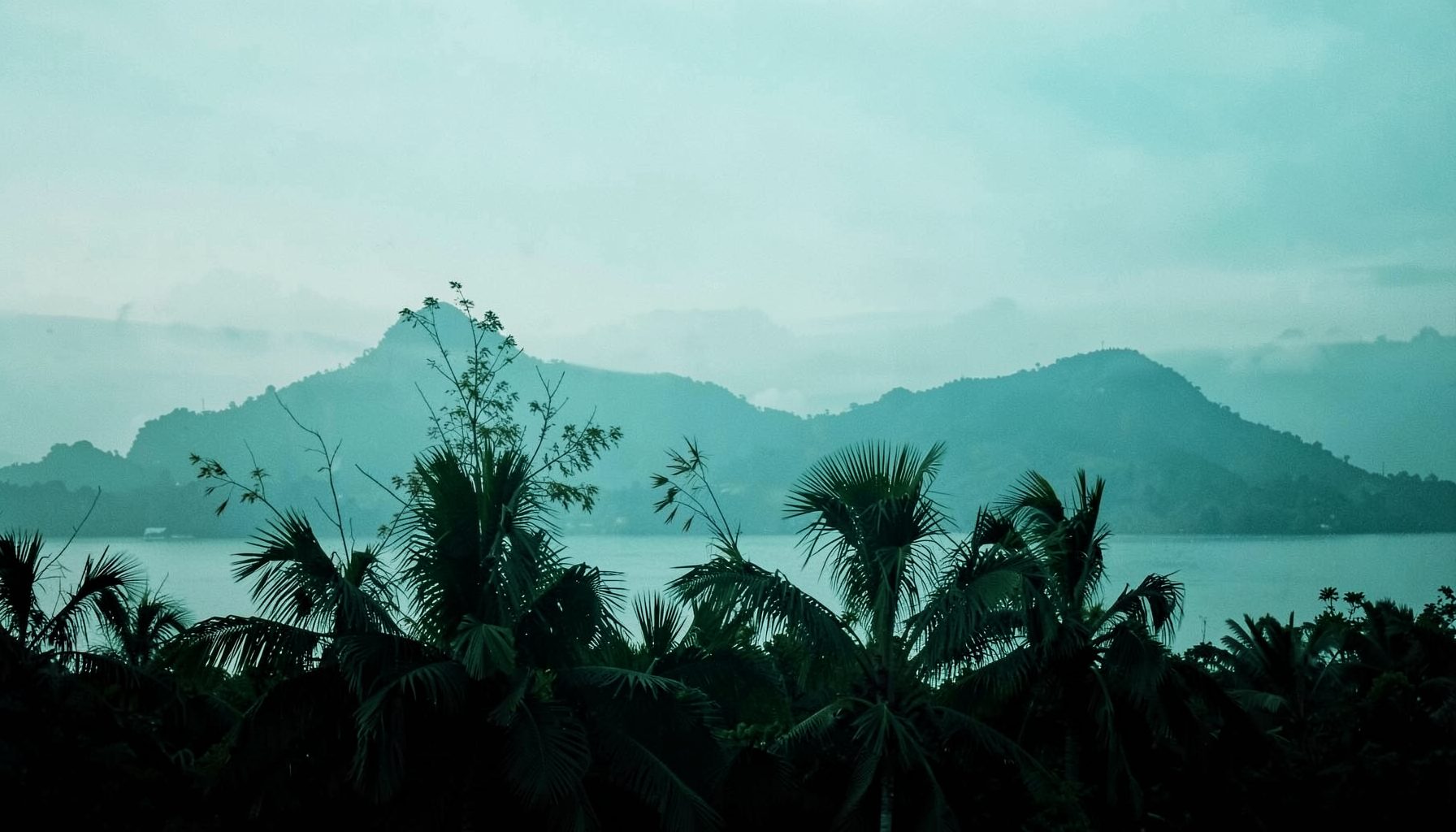
Taal Volcano is one of the most dramatic day-trip destinations near Manila. From Tagaytay’s ridge, the view stretches across Taal Lake toward Volcano Island, where a small cone rises inside a much larger volcanic caldera. The landscape looks peaceful, but it remains an active geological area, so a visit requires more preparation than an ordinary lakeside excursion.
Most trips begin in Tagaytay and continue by road to a lakeshore jump-off point in Talisay or Laurel, Batangas. From there, visitors take a local boat across Taal Lake and follow an authorized walking or horseback route. Travel time, access points, and available trails can change quickly when volcanic conditions or weather require restrictions.
The most important rule is to check the latest notice from PHIVOLCS and the local tourism office before leaving. Taal Volcano Island lies within a regulated danger zone, and an alert-level change, sulfur emissions, poor lake conditions, or a temporary government closure can cancel a trip even when operators are still accepting inquiries.
Choosing A Lakeshore Departure Point
Talisay is the most familiar launch area for visitors coming from Tagaytay. It has a concentration of boat operators, guides, restaurants, and parking areas, making it a practical choice for independent travelers. Laurel, located on the eastern side of Taal Lake, may offer access to different routes and can be more convenient for travelers staying in parts of Batangas.
A private vehicle, hired van, or ride-hailing service is usually the easiest way to reach the jump-off point. Public transport is possible, but the final connection to the lakeshore may require a tricycle or a prearranged local transfer. Leave Tagaytay early because weekend traffic on the ridge and the roads descending toward the lake can add significant time.
The journey across the lake commonly takes about 20 to 40 minutes, depending on the departure site, boat size, wind, and water conditions. A round-trip arrangement is preferable. Confirm the return time before boarding and keep the operator’s phone number in case the group becomes separated at the landing area.
How Local Boat Operators Work
Boat services are generally organized through local associations, tourism desks, resorts, or independent operators working near the landing sites. A standard arrangement usually includes a boat, a return crossing, and sometimes a local guide. Horse rentals, environmental charges, parking, and terminal fees may be billed separately.
Ask for the complete price before accepting the service. Clarify how many passengers the boat carries, whether the quote is per boat or per person, how long the boat will wait, and whether guide or horse fees are included. Some operators quote a low crossing price first and explain additional charges only after the group has arrived.
Weather matters as much as volcanic activity. Strong wind can make the lake crossing uncomfortable or unsafe, while rain can turn exposed paths into slippery clay. Operators may delay departure, limit passenger numbers, or suspend service when conditions deteriorate. A legitimate operator should respect those decisions rather than promise access regardless of official warnings.
Visitors who prefer a more organized experience can reserve a day tour from Manila or Tagaytay, but the itinerary should still identify the actual local boat provider. Ask whether the package covers transport to the lakeshore, boat rental, guide service, entrance charges, meals, and emergency arrangements. A low headline price may exclude several of these costs.
Trail Conditions And Authorized Routes
The route on Volcano Island is not a paved park walk. Conditions may include loose volcanic ash, exposed rock, dust, uneven steps, narrow sections, and steep inclines. Rain can create mud and erosion, while dry weather produces fine dust that irritates the eyes and throat. Walking poles can help on descents, particularly for visitors who are not accustomed to rough terrain.
Some operators provide horses for part or all of the uphill journey. Horseback riding can reduce physical exertion, but it does not remove the effects of heat, dust, or uneven ground. Visitors should check that the saddle fits properly, follow the guide’s instructions, and avoid rushing animals on narrow paths.
The route and viewpoint available to visitors depend on current government orders. The historic Main Crater and crater lake have been subject to strict prohibitions because of hazardous volcanic gases, sudden steam-driven eruptions, unstable ground, and other risks. A tour advertisement showing an old crater viewpoint does not prove that the same destination is open today.
At times, tourism access has been redirected toward permitted viewpoints rather than the main crater. Trail conditions may also change after eruptions, earthquakes, heavy rain, or erosion. Treat every route description as provisional and follow signs, barriers, guides, and local authorities even if another group appears to be going farther.
Typical Costs For A Taal Volcano Excursion
Prices vary according to the jump-off point, group size, season, boat capacity, guide arrangements, and the access rules in force. The figures below are planning ranges rather than official fixed rates. Confirm every charge locally on the day of travel, especially if you are visiting during a holiday or weekend.
| Expense | Typical planning range | What to confirm |
|---|---|---|
| Round-trip boat | PHP 2,000–4,000 per boat | Passenger capacity, waiting time, and return crossing |
| Local guide | PHP 500–1,500 per group | Whether guiding is mandatory and route permitted |
| Environmental or entrance fee | PHP 100–500 per person | Current collection point and official receipt |
| Horse rental, where available | PHP 800–1,500 per person | One-way or round-trip service and duration |
| Parking or terminal fee | PHP 50–300 | Whether the fee is per vehicle or per visit |
| Manila or Tagaytay tour package | PHP 2,500–6,000 or more per person | Transport, meals, permits, and boat inclusion |
A group of four or five can often reduce the per-person boat cost because local vessels are commonly priced by boat rather than by individual passenger. However, never exceed the operator’s stated capacity. The cheapest boat is not a good value if it lacks life jackets, has poor maintenance, or leaves passengers uncertain about the return crossing.
Carry small Philippine peso denominations for entrance charges, guide tips, snacks, and tricycle transfers. Digital payments may be unavailable at the lakeshore. Request receipts for official fees when possible, and distinguish government charges from private service costs.
What To Pack For The Day
Light, breathable clothing is suitable for the warm lakeside environment, but bring a thin layer for an early departure from Tagaytay. Sturdy shoes with good grip are more useful than sandals on ash-covered slopes. A hat, sunglasses, sunscreen, and a breathable face covering can make the dusty ascent more comfortable.
Bring enough drinking water, especially if the active route is exposed to direct sun. Snacks are useful because food choices on the island may be limited and prices can vary. Keep phones, cameras, wallets, and spare clothing in waterproof bags; lake spray and sudden rain can affect both the boat crossing and the landing.
Avoid carrying large luggage. A compact daypack leaves both hands available for balance and makes the boat transfer easier. Visitors with asthma, heart conditions, mobility limitations, or sensitivity to volcanic gases should seek medical advice and discuss the current route with local authorities before booking.
The same practical planning applies to a longer Philippine itinerary. If the volcano trip forms part of a romantic holiday, researching romantic Palawan stays can help balance an active excursion with quieter accommodation elsewhere in the country.
Safety Checks Before Leaving
Check the current Taal Volcano alert level through PHIVOLCS and look for a same-day announcement from the municipal or provincial tourism office. Alert Level 1 still means an abnormal condition and does not automatically guarantee access to every trail. A higher alert level, an exclusion zone, or an official suspension should be treated as a complete reason to postpone the excursion.
Do not enter closed areas for photographs, approach steaming ground, or stop near sulfur-smelling vents. Volcanic gases can collect in low areas and may cause headaches, dizziness, breathing difficulty, or eye irritation. Leave immediately and notify a guide or authority if symptoms develop.
Life jackets should be available for every passenger, and the boat should carry basic safety equipment. Sit where the operator directs, keep weight evenly distributed, and avoid standing while the vessel is moving. On land, stay with the guide and do not separate from the group to follow an unofficial path.
Sun exposure and dehydration are common problems on the island. Schedule the crossing and hike for the coolest practical part of the day, take regular water breaks, and allow extra time for the return. Mobile reception may be inconsistent, so share your itinerary with someone staying in Tagaytay or at your accommodation.
A Practical Day-Trip Plan
Begin with an early departure from Manila or Tagaytay, allowing extra time for traffic and the descent to the lake. After reaching the jump-off point, verify the weather, access status, boat price, guide arrangement, and expected return time. Eat a light meal before the crossing if you are prone to motion sickness, and keep medication accessible rather than packed in the main bag.
After the boat ride, follow the route currently approved by local authorities. Take breaks in shaded or designated areas, avoid touching loose volcanic material, and reserve enough energy for the descent. The return boat may not be immediate, so confirm the meeting point with the guide before beginning the walk.
Keep the afternoon flexible. Traffic back to Tagaytay can be heavy, and lake weather may delay the crossing. Travelers who have a late flight from Manila should avoid scheduling the volcano trip on the same day as departure. A sunset stop in Tagaytay or a meal overlooking the lake is easier to enjoy when the itinerary has room for delays.
For accommodation providers, tour businesses, restaurants, and guides serving this area, accurate information helps travelers make safer decisions. Businesses can add your business to a Philippine travel directory so visitors can find current contact details and local services more easily.
Smart Booking Priorities
- Confirm the official access status on the day before travel and again on the morning of departure.
- Get an itemized quote covering the boat, guide, entrance or environmental fees, horse rental, parking, and waiting time.
- Choose a boat with enough life jackets and never exceed its passenger capacity.
- Wear closed, grippy footwear and pack water, sun protection, a face covering, and waterproof storage.
- Keep the schedule flexible enough to accommodate lake weather, trail closures, and traffic.
A Taal Volcano day trip is best treated as a locally managed nature excursion rather than a guaranteed attraction with a permanent itinerary. The boat operator, guide, and tourism office provide the most relevant information for that particular day, while PHIVOLCS determines the wider volcanic safety context.
Check the latest advisories, reserve through a reputable local contact, and confirm all fees before setting out. With current information and realistic expectations, the journey across Taal Lake can be a memorable part of a Philippine travel itinerary without ignoring the active landscape that makes the destination so remarkable.

Get in Touch
Connect with Salamat Philippines on social media or send a message. We'd love to hear from you.
Facebook: /salamatphilippines
Twitter: @salamatphil
Instagram: @salamatphilippines
YouTube: salamat-philippines
LinkedIn: company/salamat-philippines
Email: [email protected]