
Discover exceptional hospitality across 18 regions — and give back with every listing.
100% of proceeds to Philippine Red Cross
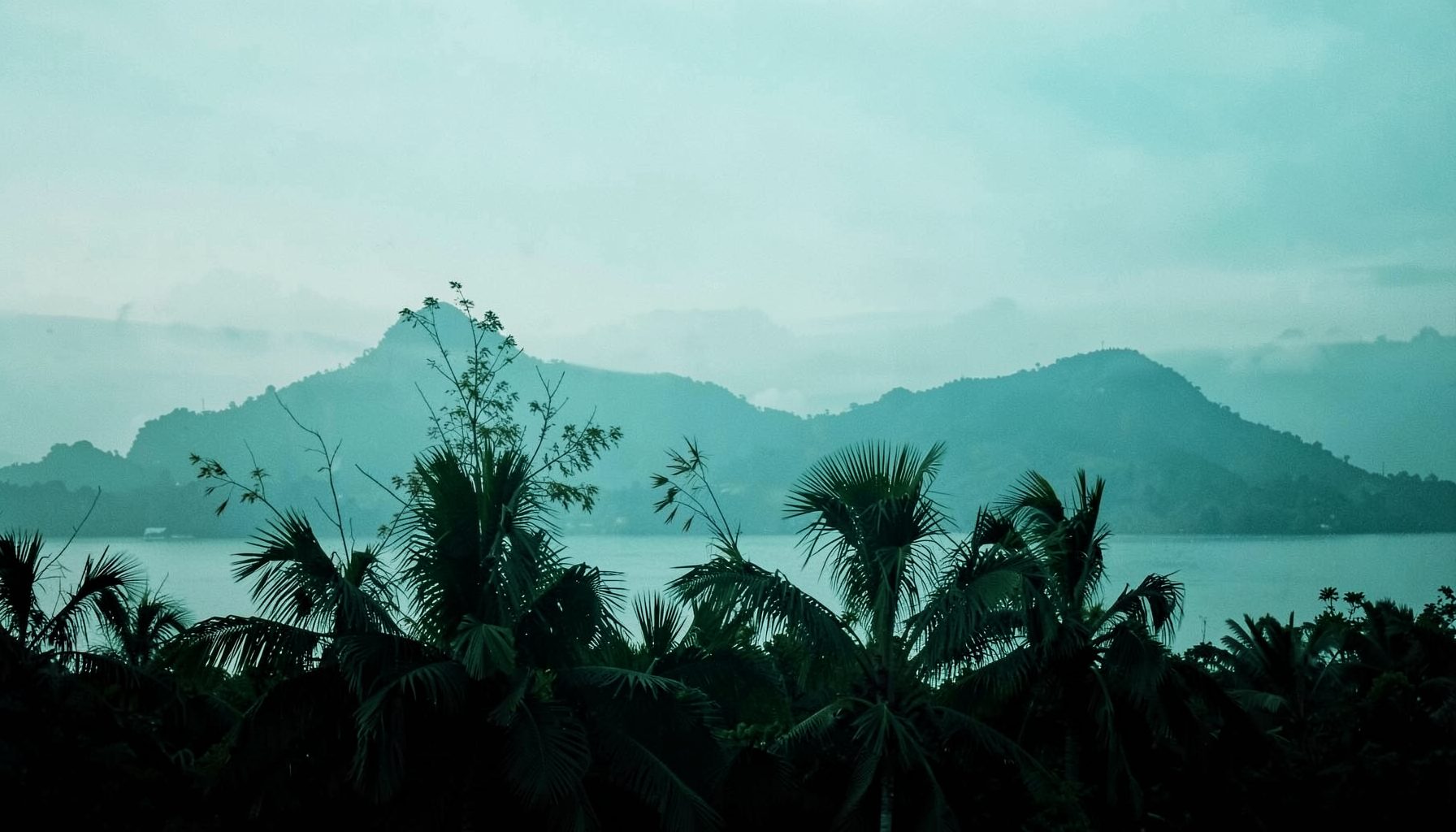
What We Offer
Send Money & Load
- Send Money — free
- Send Load — free
- Ask a Question about the Philippines
Simple, no-cost services for the community.
Business Listings
- Instant Listing — ₱99.00 ($1.99), no expiration
- Free Listing — ₱0.00, unlimited submissions
- Featured Listing — ₱999.00/year ($19.99)
Dining, Lodging, Outdoor Activities, and Nightlife categories.
Philippines Gifts
- Philippines-themed gifts available
- Every purchase supports the Philippine Red Cross
Share a piece of the Philippines with someone special.
Across Every Region
From the rolling hills of the Ilocos Region and the highlands of Cordillera, through the vast Cagayan Valley and the vibrant streets of the National Capital Region, down to the pristine shores of MIMAROPA and the fiery landscapes of Bicol — Salamat Philippines brings together listings that span all 18 regions. Whether you're drawn to Western Visayas, the Negros Island Region, Central or Eastern Visayas, or the southern reaches of Zamboanga Peninsula, Northern Mindanao, Bangsamoro, Caraga, SOCCSKSARGEN, and Davao Region, there is something here waiting to be discovered.
Featured listings have included Herbie's Catering & Events (serving since 2007, phone 0915-3545079, 59 Acapulco), ABC Hotel (phone +63 45 892 2222, Don Juico Avenue), and the BenCab Museum (phone +63 74 442 7165, Km 6 Asin Road). Browse, upvote your favorites, and sign the guest book to say Salamat.
Best Walking Trails in the Makati Greenbelt Park Complex
Makati’s Greenbelt Park complex offers an unusually pleasant way to experience Metro Manila on foot. Instead of one long wilderness trail, it is a network of landscaped paths linking shaded gardens, retail arcades, restaurants, galleries, a chapel, open lawns and nearby city parks. The route changes character every few minutes, moving from quiet greenery to busy pedestrian streets and back again.
For Australian visitors, the area is an easy introduction to urban walking in the Philippines. It has the convenience of a central Sydney or Melbourne precinct, although the tropical heat, sudden rain and lively traffic require a different pace. A short morning circuit can fit neatly between hotel check-out, shopping, a museum visit or an evening meal.
The Greenbelt Garden Circuit
The classic walk begins beside Greenbelt 1 and follows the curved garden paths around the main Greenbelt malls. The loop passes ornamental ponds, mature trees, small bridges and open-air seating areas before reaching the distinctive Greenbelt Chapel. Water, planted borders and pockets of shade make this section feel calmer than the surrounding Makati business district.
Allow roughly 30 to 45 minutes for a relaxed circuit, longer if you stop for photographs or coffee. The paths are generally level and easy to follow, though the complex has several entrances and the shopping areas can make the route feel less linear. Greenbelt 3 and Greenbelt 5 are useful landmarks, while the chapel provides a clear point for reorienting yourself.
The best time is early morning, when the gardens are cooler and quieter. Around lunchtime, office workers fill the walkways, and in the late afternoon the area becomes a popular meeting place. Australian travellers used to strolling through Melbourne’s laneways or Sydney’s harbour precincts will recognise the mix of dining, retail and people-watching, but should expect warmer conditions even outside the summer months.
Legazpi Active Park And Weekend Green Space
A natural extension of the Greenbelt walk is Legazpi Active Park, just a short walk from the mall complex. The park has broad paved paths, lawns, shade trees and exercise areas, creating a more open setting than the enclosed garden sections. It is popular with local residents who walk, stretch, jog or bring children out for fresh air.
The most enjoyable route links Greenbelt’s gardens with Legazpi Active Park and then continues towards Washington SyCip Development Park. This creates a longer urban greenway of around an hour, depending on stops and the pace of walking. It is not a bush track, but the connected public spaces provide enough variety to keep the outing interesting.
Weekend mornings are especially lively, with fitness groups, runners and community activities. Sunday markets and small local events may add colour to the walk, although the exact schedule can change. This is a good place to observe everyday Makati life rather than treating the district solely as a shopping destination.
The contrast may remind an Australian visitor of walking between a city park and a commercial village in Brisbane or Perth, yet the tropical landscaping gives the route a distinctly Southeast Asian atmosphere. Light clothing, a hat and water are sensible, and sunscreen is worth applying even when clouds soften the sun.
A Route For Architecture, Art And History
Greenbelt is more than a collection of gardens. The route takes walkers past contemporary shopping architecture, older trees preserved within the development and the modernist Greenbelt Chapel. The Ayala Museum is close by and offers a useful cultural stop for visitors who want context about Philippine history, art and heritage.
A good half-day plan is to start with the garden circuit, visit the museum, then return through Greenbelt 5 for lunch or an afternoon drink. The walk itself requires little navigation, but pausing at each building reveals how Makati combines corporate development with carefully protected public space. Signage, pedestrian bridges and mall entrances can occasionally interrupt the flow, so a map application is useful.
The complex is also a practical base for exploring nearby attractions. Hotels, banks, cafés, pharmacies and transport connections are concentrated around the district, which makes it easier to shorten the route if the heat becomes uncomfortable. Visitors can browse local listings and destination information through Salamat Philippines before adding other Makati stops to the day.
For travellers from Australia, this flexibility is valuable. A Melbourne-style long walk may be appealing in theory, but Manila’s humidity can make a three-kilometre route feel far more demanding than the same distance beside the Yarra. Build in an air-conditioned museum or café break rather than trying to maintain a fast pace from start to finish.
The Best Times And Local Walking Habits
Early morning is usually the most comfortable period for walking around Greenbelt. The air is cooler, the paths are less crowded and the parks are active with residents exercising before work. Late afternoon can also be pleasant, particularly after rain, although tropical showers may arrive quickly and leave some paving wet.
The dry season, generally from December to May, often provides more predictable conditions, while the wet months can bring heavy downpours. Weather patterns vary, so a compact umbrella or lightweight rain jacket is useful. Australians travelling during winter should remember that Manila remains warm and humid, even when temperatures at home are cool.
Walking etiquette is straightforward but worth observing. Keep to the side on busy paths, give way around entrances and avoid blocking narrow walkways while taking photos. Filipinos are generally friendly and accommodating, and a polite greeting or “salamat” is appreciated. At the chapel and other quiet spaces, modest clothing and a lower speaking volume are appropriate.
Traffic awareness matters when moving between Greenbelt, Legazpi Active Park and nearby streets. Pedestrian crossings may be busy, turning vehicles can approach unexpectedly and some drivers do not stop as promptly as motorists in Australian cities. Use marked crossings where possible, follow local signals and allow extra time rather than rushing across a road.
Planning A Comfortable Greenbelt Walk
A practical short route starts at Greenbelt 1, follows the landscaped loop towards Greenbelt 3 and Greenbelt 5, then finishes near Greenbelt 2 or the chapel. This takes about 30 minutes without extended stops. For a longer outing, continue towards Legazpi Active Park, pause on the lawns and return through the Greenbelt gardens. The extended version can occupy 60 to 90 minutes at an easy sightseeing pace.
Wear breathable walking shoes with good grip. Smooth mall paving is common, but outdoor sections may become slippery after rain. Carry a refillable bottle, although cafés and shops provide frequent opportunities to purchase drinks. Small Philippine pesos are helpful for incidental purchases, while major establishments generally accept cards and mobile payment methods.
The surrounding commercial area is convenient for meals at almost any time of day. Filipino dishes such as chicken inasal, pancit and halo-halo sit alongside Japanese, Korean, European and Australian-style cafés. The Makati market is geared towards office workers, residents and international visitors, so prices vary considerably between food courts, casual restaurants and premium dining rooms.
Personal security is usually straightforward in the busy central areas, but normal city precautions still apply. Keep phones and wallets secure in crowded passages, especially near transport points, and avoid wandering into unfamiliar side streets late at night. Ride-hailing services and hotel transport can make the return journey simpler after an evening meal.
The Greenbelt area can also serve as a starting point for broader Philippine travel planning. Visitors interested in extending an itinerary beyond Manila may enjoy reading about Tubbataha diving, a very different environment from Makati’s landscaped urban paths. Greenbelt’s value lies in its balance: it provides a manageable city walk, plenty of shade and easy access to the cultural, dining and business life that surrounds it.

Get in Touch
Connect with Salamat Philippines on social media or send a message. We'd love to hear from you.
Facebook: /salamatphilippines
Twitter: @salamatphil
Instagram: @salamatphilippines
YouTube: salamat-philippines
LinkedIn: company/salamat-philippines
Email: [email protected]