Discover exceptional hospitality across 18 regions — and give back with every listing.
100% of proceeds to Philippine Red Cross
What We Offer
Send Money & Load
- Send Money — free
- Send Load — free
- Ask a Question about the Philippines
Simple, no-cost services for the community.
Business Listings
- Instant Listing — ₱99.00 ($1.99), no expiration
- Free Listing — ₱0.00, unlimited submissions
- Featured Listing — ₱999.00/year ($19.99)
Dining, Lodging, Outdoor Activities, and Nightlife categories.
Philippines Gifts
- Philippines-themed gifts available
- Every purchase supports the Philippine Red Cross
Share a piece of the Philippines with someone special.
Across Every Region
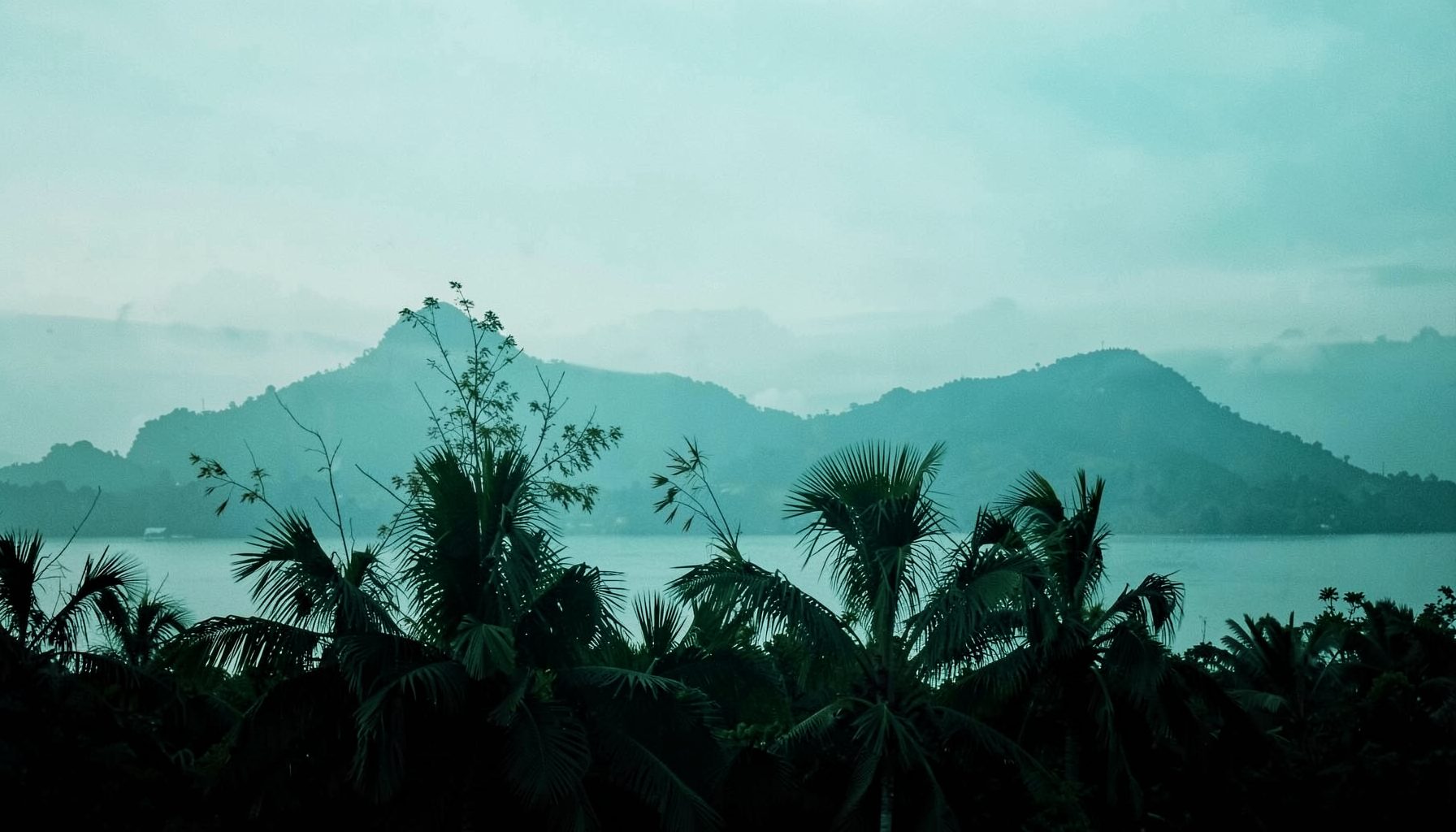
From the rolling hills of the Ilocos Region and the highlands of Cordillera, through the vast Cagayan Valley and the vibrant streets of the National Capital Region, down to the pristine shores of MIMAROPA and the fiery landscapes of Bicol — Salamat Philippines brings together listings that span all 18 regions. Whether you're drawn to Western Visayas, the Negros Island Region, Central or Eastern Visayas, or the southern reaches of Zamboanga Peninsula, Northern Mindanao, Bangsamoro, Caraga, SOCCSKSARGEN, and Davao Region, there is something here waiting to be discovered.
Featured listings have included Herbie's Catering & Events (serving since 2007, phone 0915-3545079, 59 Acapulco), ABC Hotel (phone +63 45 892 2222, Don Juico Avenue), and the BenCab Museum (phone +63 74 442 7165, Km 6 Asin Road). Browse, upvote your favorites, and sign the guest book to say Salamat.
A Guide To The Philippine’s Underrated Cultural Museums
The Philippines is often introduced through beaches, rice terraces, colonial churches, and lively food markets. Yet its museums offer another way to understand the country: through woven cloth, ancestral tools, religious art, maritime maps, family photographs, and objects rescued from changing communities. Many of the most rewarding collections are found outside the usual sightseeing circuit.
These smaller institutions can be easy to overlook. Some operate inside universities, former government buildings, heritage houses, or cultural centers, while others occupy modest galleries with limited opening hours. Their scale is part of their appeal. Visitors are more likely to encounter local stories, personal interpretation, and exhibits shaped by the people who live around them.
This guide to the Philippine’s underrated cultural museums focuses on places that reveal regional identity. Together, they show that Filipino heritage is not one fixed tradition. It is a collection of Austronesian, Islamic, Indigenous, Chinese, Spanish, American, and contemporary influences, continually adapted by island communities.
Why Smaller Museums Matter
The country’s major museums in Manila deserve attention, but regional museums provide context that national institutions cannot always capture. A provincial collection may explain how a particular river shaped trade, why a weaving pattern carries spiritual meaning, or how a town responded to war and migration. These details make history more intimate and specific.
A visit also helps travelers look beyond picturesque architecture. An old house is more meaningful when its furniture, family records, and domestic objects explain the people who lived there. A display of agricultural tools can reveal the labor behind a celebrated landscape. Even a small gallery of photographs may preserve memories that would otherwise disappear as neighborhoods change.
Many community museums rely on local caretakers, donations, and public interest. Spending time there, paying an entrance fee where one applies, and supporting nearby craftspeople can help sustain preservation work. Travelers can also check current schedules before visiting, since some sites open on selected days or require advance arrangements.
Luzon Collections Beyond The Capital
In the Ilocos region, heritage museums often place architecture, craftsmanship, and colonial history in conversation with one another. The Syquia Mansion Museum in Vigan, for example, presents the world of a prominent family through rooms, furnishings, photographs, and personal possessions. Its value lies in the connection between domestic life and the wider political history of the Philippines.
The Museo Ilocos Norte in Laoag offers a broader regional perspective. Its galleries explore Ilocano culture through clothing, musical instruments, agricultural objects, and traditional crafts. Visitors interested in material culture should pay attention to textiles and everyday implements, since these often communicate social values more clearly than formal historical summaries.
In Baguio, the Museo Cordillera at the University of the Philippines Baguio is especially useful for understanding the diverse peoples of the Cordillera highlands. Its collections include traditional clothing, tools, ornaments, and objects connected with ritual and community life. The museum encourages visitors to see the region as culturally plural rather than treating “Cordilleran culture” as a single category.
Cavite and Laguna also contain heritage institutions with stories tied to revolution, national heroes, and industrial change. Museums such as the Aguinaldo Shrine in Kawit and the Rizal Shrine in Calamba are familiar names, yet they reward slower visits. Their houses and grounds become more revealing when travelers consider how family memory, national identity, and political symbolism influence the way history is displayed.
Visayan Stories In Houses And Galleries
The Visayas has a rich network of ancestral homes and local museums. In Iloilo, the Iloilo Museum of Contemporary Art presents modern and contemporary work within the historic Iloilo Business Park area, showing how regional artists respond to urban growth, memory, and social change. Nearby heritage districts add architectural depth to a museum-focused day.
The Casa Mariquit heritage house in Iloilo City offers a different kind of experience. Its preserved interiors connect family history with the political and commercial life of Panay. Rather than presenting a detached timeline, the house helps visitors understand how elite households functioned, how objects signaled status, and how regional influence was built through generations.
Bacolod’s Dizon-Ramos Museum is another valuable stop for travelers interested in Negros history. The house preserves furniture, photographs, decorative arts, and family belongings that illuminate the sugar industry and the lifestyle it supported. Its rooms can prompt a more nuanced view of wealth, labor, land ownership, and the cultural identity of Negros.
In Bohol, the National Museum of the Philippines—Bohol in Tagbilaran introduces visitors to the island’s natural history, archaeology, and cultural heritage. It pairs well with visits to historic churches, craft communities, and rural landscapes. A trip to the island can also include Bohol’s living heritage, where conservation and local identity intersect beyond the walls of a conventional museum.
Mindanao Museums And Living Traditions
Mindanao’s cultural institutions are essential for understanding the country’s Indigenous and Islamic heritage. The Museo de Oro at Xavier University–Ateneo de Cagayan in Cagayan de Oro contains archaeological and ethnographic materials from Northern Mindanao. Its displays can help visitors connect ancient settlement, trade, craft traditions, and the region’s many cultural communities.
The Kabanwa Museum in Marawi and cultural institutions associated with the Maranao community provide insight into torogan architecture, okir design, brasswork, textiles, and Islamic artistic traditions. Access and operating conditions may vary, so travelers should verify arrangements through local cultural offices or trusted contacts. The effort is worthwhile because these collections challenge the idea that Philippine history is primarily shaped by Spanish colonial experience.
In Davao, the Davao Museum of History and Ethnography presents the city and surrounding region through Indigenous groups, migration, trade, and urban development. Visitors should take time with displays related to the Bagobo, Mandaya, and other communities, while remembering that cultural objects deserve respectful viewing rather than being treated as curiosities.
The Mindanao museums that leave the strongest impression often connect gallery displays with living practice. Weaving centers, cultural villages, public festivals, and community demonstrations can add meaning to what is seen in a case. Travelers should ask permission before photographing people, rituals, or sacred objects, and should avoid assuming that every traditional design is available for commercial reproduction.
| Museum or Cultural Site | Region | What It Helps Explain | Ideal Companion Visit |
|---|---|---|---|
| Museo Ilocos Norte | Ilocos Region | Ilocano material culture, textiles, and daily life | Vigan heritage district or Laoag landmarks |
| Museo Cordillera | Cordillera Administrative Region | Indigenous highland communities and craft traditions | Baguio galleries and mountain villages |
| National Museum of the Philippines—Bohol | Central Visayas | Archaeology, biodiversity, and Boholano heritage | Historic churches and rural landscapes |
| Dizon-Ramos Museum | Western Visayas | Sugar-era society, domestic life, and family history | Bacolod heritage streets |
| Museo de Oro | Northern Mindanao | Archaeology and ethnography of Mindanao | Cagayan de Oro river activities |
| Davao Museum of History and Ethnography | Davao Region | Indigenous cultures, migration, and city development | Local markets and cultural centers |
How To Read A Museum Collection
A regional museum is easier to appreciate when visitors ask what is absent as well as what is displayed. Whose work produced the objects? Who owned them? Were they collected through donation, excavation, purchase, or relocation? Does the exhibit use Indigenous names and community interpretations? These questions turn a passive visit into a more thoughtful encounter with heritage.
Look closely at ordinary items. A cooking vessel, fishing net, school uniform, or handwritten letter may reveal patterns of family life, technology, gender roles, and economic change. Religious objects can show how local beliefs adapted to outside influences, while maps may expose the importance of rivers, coastlines, and trading routes.
Museum labels also deserve attention. Some institutions use older language or broad categories that current scholarship has questioned. Visitors can treat displays as one interpretation rather than a complete and final account. Speaking with staff, reading local publications, or visiting a second museum can reveal different perspectives on the same period.
Photography policies vary, especially for sacred items, archival documents, and privately held collections. Follow posted rules, avoid touching objects, and ask before using flash. Respectful behavior is especially important in museums that remain connected to families, religious groups, or Indigenous communities.
Plan A More Meaningful Museum Trail
The best cultural itinerary leaves room for conversation and observation. Instead of rushing through several sites in a single day, choose one museum as an anchor and build the rest of the visit around its theme. A museum about weaving can lead to a craft market; an ancestral house can lead to a heritage street; an archaeology collection can lead to a coastal or river landscape.
Before setting out, confirm opening days, entrance requirements, photography rules, transport options, and whether English-language interpretation is available. Smaller museums may close for holidays, conservation work, university breaks, or local events. A quick call or message can prevent a long journey from ending at a locked gate.
Useful habits for a respectful and rewarding visit include:
- Read the museum’s background before arriving, especially when the collection relates to Indigenous, Islamic, or sacred traditions.
- Carry small cash for entrance fees, donations, local guides, and nearby community-run shops.
- Ask permission before photographing people, private homes, performances, or culturally sensitive objects.
- Buy locally made crafts from legitimate makers and ask about materials, origin, and fair pricing.
- Record the museum’s name, curator, or community organization so you can credit its work when sharing photographs.
Museums can also become a practical way to explore the Philippines by region. Salamat Philippines makes it easier to combine cultural stops with accommodation, restaurants, outdoor activities, and local businesses. Checking listings by location can help turn an isolated museum visit into a fuller itinerary that supports the surrounding community.
The most memorable collections are rarely the largest. They are the ones that make a place more legible: a textile begins to explain a landscape, a family room reveals a political era, or an archaeological object connects an island to centuries of movement across the sea. Add these museums to your next Philippine journey, travel at a considerate pace, and let regional stories shape the way you see the country.
Get in Touch
Connect with Salamat Philippines on social media or send a message. We'd love to hear from you.
Facebook: /salamatphilippines
Twitter: @salamatphil
Instagram: @salamatphilippines
YouTube: salamat-philippines
LinkedIn: company/salamat-philippines
Email: [email protected]