Discover exceptional hospitality across 18 regions — and give back with every listing.
100% of proceeds to Philippine Red Cross
What We Offer
Send Money & Load
- Send Money — free
- Send Load — free
- Ask a Question about the Philippines
Simple, no-cost services for the community.
Business Listings
- Instant Listing — ₱99.00 ($1.99), no expiration
- Free Listing — ₱0.00, unlimited submissions
- Featured Listing — ₱999.00/year ($19.99)
Dining, Lodging, Outdoor Activities, and Nightlife categories.
Philippines Gifts
- Philippines-themed gifts available
- Every purchase supports the Philippine Red Cross
Share a piece of the Philippines with someone special.
Across Every Region
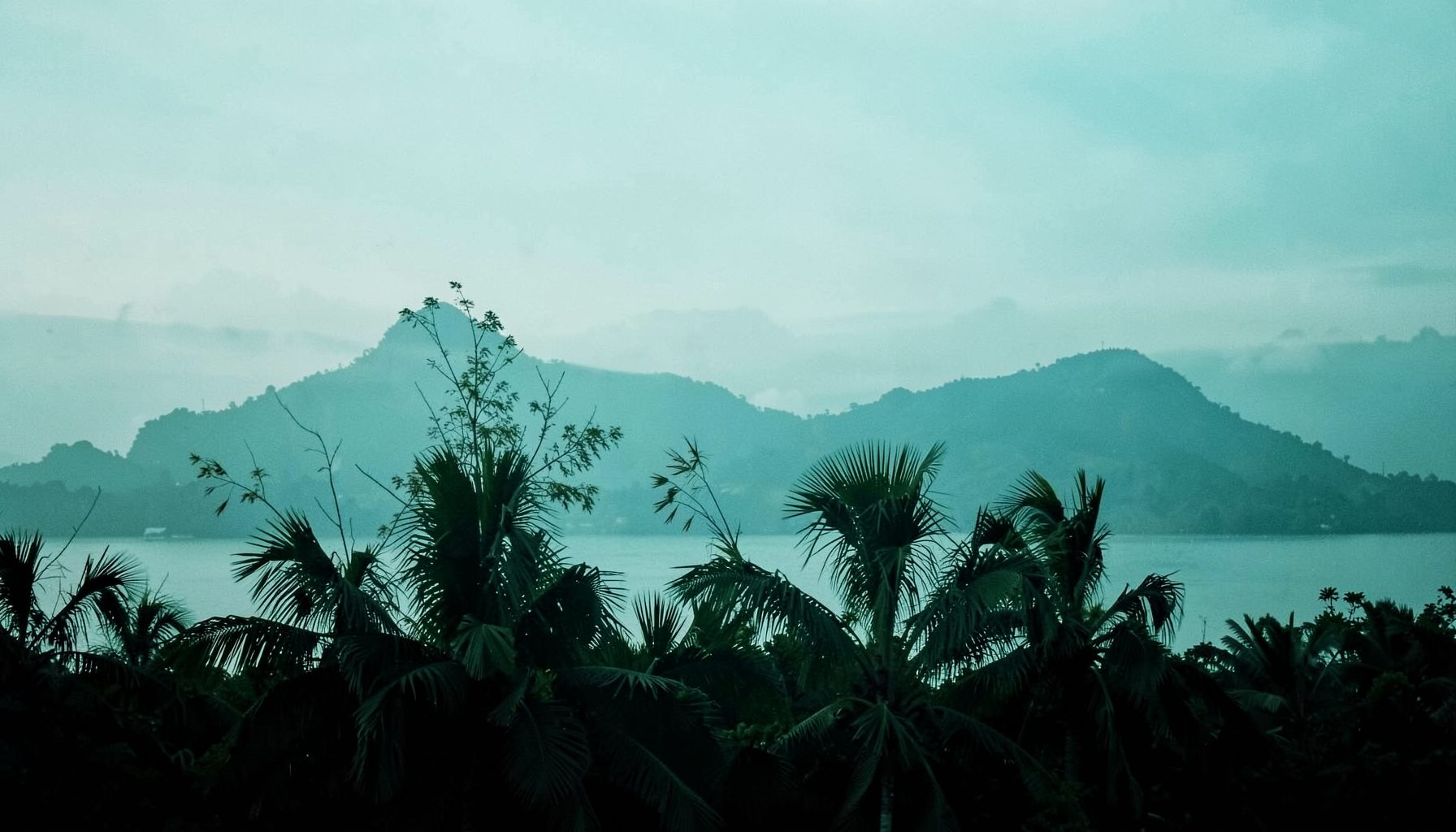
From the rolling hills of the Ilocos Region and the highlands of Cordillera, through the vast Cagayan Valley and the vibrant streets of the National Capital Region, down to the pristine shores of MIMAROPA and the fiery landscapes of Bicol — Salamat Philippines brings together listings that span all 18 regions. Whether you're drawn to Western Visayas, the Negros Island Region, Central or Eastern Visayas, or the southern reaches of Zamboanga Peninsula, Northern Mindanao, Bangsamoro, Caraga, SOCCSKSARGEN, and Davao Region, there is something here waiting to be discovered.
Featured listings have included Herbie's Catering & Events (serving since 2007, phone 0915-3545079, 59 Acapulco), ABC Hotel (phone +63 45 892 2222, Don Juico Avenue), and the BenCab Museum (phone +63 74 442 7165, Km 6 Asin Road). Browse, upvote your favorites, and sign the guest book to say Salamat.
Chocolate Hills viewpoints in Bohol for Australian travellers
Bohol’s Chocolate Hills are one of the Philippines’ most recognisable landscapes, yet the trip from a beach holiday in Panglao is simpler than many visitors expect. The formations are grass-covered limestone mounds spread across the island’s central interior, not a single viewpoint beside the coast. A useful guide to the Chocolate Hills viewpoints in Bohol therefore starts with location: knowing which viewing complex you are visiting, when you can reach it and what can be done nearby makes the day easier to enjoy.
Travellers from Sydney, Melbourne or Brisbane commonly connect through Manila or Cebu, then take a domestic flight or ferry to Bohol. The journey brings a humid climate and road travel where traffic keeps to the right, unlike Australia. It also brings choices that differ from an Australian day trip: advance planning for the final rural stretch, cash in pesos, and respect for communities whose land surrounds a famous attraction. The rewards are considerable when the hills appear in clear morning light.
What the Chocolate Hills actually are
The Chocolate Hills Natural Monument occupies rolling countryside in Carmen, Bohol’s largest municipality by land area. You will see more than 1,200 individual mounds, although totals vary depending on how closely separate forms are counted. Their steep, rounded profiles are covered in grass that turns brown during the dry season. They look almost sculpted, but the name describes their colour and shape rather than any chocolate-making tradition.
The geology is interesting without requiring specialist knowledge. The hills are commonly described as limestone formations shaped by erosion, with uplift and local conditions contributing to their final forms. Scientists still debate details of that long process, and a local guide can add context that a brief photo stop cannot.
Most visitors stay on designated lookouts within the official complex. The hills extend across private agricultural land and protected terrain, so climbing a mound or cutting across a field is inappropriate. Trail access has sometimes been suspended after landslides in the wider area. Check local announcements before booking a guided walk, and never assume a visible path is open simply because other travellers are using it.
Main viewing areas and what each offers
The principal experience is the Chocolate Hills Viewing Complex in Carmen, reached by a winding road through the municipality. A stairway leads to a panoramic platform with open views across the best-known cluster of formations. Allow 30 to 60 minutes for the platform, short walks and interpretation rather than treating it as a five-minute roadside stop. The atmosphere is quite different from the crowded coastal attractions of Panglao.
Travel agencies also stop at the roadside attraction often called Chocolate Hills Adventure Park along the Panglao–Dauis corridor. This can be a useful first taste of the landscape, especially for a short layover, but it is not a substitute for the Carmen complex. The coastal stop gives a broader distant view; the inland site places you within the landscape and allows more time to appreciate its patterns. Check which pin appears on your map before setting out.
For a half-day or full day, Carmen is usually the better choice. A couple of hours at the main complex can be extended with refreshments in Carmen town. If your itinerary includes the roadside stop near Panglao, treat it as an additional viewpoint rather than the definitive one. When checking directions or bookings, use the full location names, as several listings use “Chocolate Hills” without identifying the municipality.
Choosing the best time to visit
November to May is usually the best window for clear views and more reliable roads. This is Bohol’s dry season, when grass is less green and afternoon showers are less likely. Peak travel around Christmas, New Year and Easter brings heavier traffic. The wet season, broadly June to October, can look vivid after rain, but cloud, slippery surfaces and occasional landslides add uncertainty. During the habagat monsoon, let local advice guide road decisions.
Early morning offers the cleanest atmosphere, lower heat and fewer vehicles on the platform. Midday can be bright but hazy, with little shade. Late afternoon brings softer light, though clouds often build over the interior. If sunrise matters, arrange departure and gate access in advance; do not assume the complex opens early enough for a relaxed pre-dawn arrival. Organised tours from Panglao commonly leave between 7 and 8 am, balancing access, traffic and the return drive.
Australian seasons do not translate directly to Bohol’s. December is peak summer here, and June is humid rather than cool. Darwin residents may recognise the build-up to a wet season, while visitors from Melbourne should not expect winter clothing to be necessary. Sunscreen, water and a hat remain useful throughout the year.
Travel time, transport and getting around
From Bohol–Panglao International Airport, allow around 30 minutes to Panglao’s central beach strip; traffic can extend this to 45 minutes or more. The inland complex lies roughly 45 to 55 kilometres from Panglao and normally takes one hour 45 minutes to two and a half hours each way, depending on traffic and the route. From Tagbilaran, expect a similar or slightly longer trip. If continuing to Cebu or Manila that day, build in a generous buffer for the domestic flight and airport transfers.
A private driver is the easiest choice for most visitors. A van can carry luggage and shopping while the driver waits during your walk. Self-drive is possible for eligible travellers with the correct licence, but an Australian licence alone may not satisfy Philippine requirements; check current rules and carry an International Driving Permit. Roads are narrower than many Australian highways, with scooters, tricycles, pedestrians and livestock appearing quickly. Remember that traffic drives on the right, the reverse of Australia.
Public buses travel between Panglao, Tagbilaran and Carmen, but they do not offer a convenient door-to-door ride to the final viewing area. A short local tricycle journey or prearranged pickup may be needed, so confirm the return point before boarding. Ride-hailing coverage becomes inconsistent outside towns, and mobile reception can be weak. For a short visit, an organised day tour may cost less than separate vehicles; a chartered van offers more control for families or a full-day itinerary.
Comfort, food and local realities
Pack breathable clothing, walking shoes with grip, a hat, high-SPF sunscreen, insect repellent and a refillable water bottle. The viewing platform has steps and uneven surfaces, while the surrounding countryside is exposed with little shade. A compact rain cover remains useful even in the dry season. Download offline maps and carry a power bank because phone reception can fade away from the main facilities.
Food is easiest to arrange before the drive. Panglao and Tagbilaran have restaurants, bakeries and supermarkets, while Carmen has simpler eateries near the town centre. At a roadside market, try fresh fruit, suman, local bread or inexpensive bottled water; Bohol is also known for ube, the purple yam used in sweets and ice cream. The complex usually has food vendors, but queues build at lunchtime and stock can be limited. Carry pesos for small purchases, counters and local transport, even where accommodation accepts cards.
A few customs can make the day easier for visitors from Australia. A polite “salamat” after receiving help is appreciated, and modest tipping for a guide or driver may be welcomed without being a fixed expectation. Ask before photographing people, especially in smaller communities. Public toilets outside major hotels can be basic or limited, so use facilities in town before heading inland. Keep drinking water sealed and use repellent during daylight, because dengue-carrying mosquitoes are a year-round concern.
Combining the hills with other Bohol experiences
Many visitors pair the hills with Hinagdanan Cave in Dauis, where illuminated limestone formations provide a cool contrast. Swimming inside the cave is prohibited, so follow local rules and wear shoes with good traction. Nearby Loboc offers river cruises and the SIGHT! theatre, a creative introduction to Bohol’s history and natural environment. A river cruise is a relaxed addition, but the Chocolate Hills remain the main reason for an inland day.
The Tarsier Visitor Centre near Loboc offers close-up viewing through guides, with strict rules against handling the animals. Families can also combine the hills with Alona Beach, shopping in Panglao or a heritage stop at the old Spanish house and former penal settlement in Bacong, where the Javascript Cafe is a familiar landmark. Allow adequate time for these stops; fitting every attraction into one day usually makes the journey rushed.
If your Philippine itinerary extends to Mindanao, the landscapes offer useful contrasts. The Tinuy-an Falls adventure around the Enchanted River and Tinuy-an Falls in Surigao del Sur features broad water and limestone rather than Bohol’s grass-covered mounds, and can inspire a separate trip through the southern Philippines. Keep such an extension distinct from the Bohol day so the additional travel does not put pressure on the main return journey.
A field-ready checklist for your visit
Admission to the official complex normally requires a separate ticket; rates, child concessions and parking charges can change, so check current details before departure. Carry small-denomination pesos because rural counters or vendors may not accept cards. Optional buggy rides and guides cost extra, and using a clearly established provider makes for a smoother visit. Avoid roadside touts offering unofficial “free” viewpoints or pressure to buy extras.
Before leaving your accommodation, keep the following essentials close:
- Book a private driver or an early tour if you want flexible timing and a confirmed return.
- Keep pesos for tickets, parking, food and tricycles, including small notes.
- Download the Carmen pin and an offline map before internet coverage becomes unreliable.
- Pack grippy shoes, sun protection, repellent, water and a light rain layer.
At the complex, keep this simple sequence in mind:
- Use the stairs and marked paths, and remain on public viewing areas.
- Spend at least 30 minutes on the platform, longer when the sky is clear.
- Ask a local guide about geology, ecology and any walking-route closures.
- Leave before dark, allowing time for the rural road back to Panglao or Tagbilaran.
Allow a generous buffer before any onward flight from Bohol to Cebu or Manila. Australian climbers comparing unfamiliar destinations can use bouldering area maps as an example of location-based research that makes independent planning safer; the Chocolate Hills are a sightseeing landscape, not a recognised climbing venue. Keep the surrounding communities and landscape undisturbed, follow local instructions and leave only what you brought with you.
Get in Touch
Connect with Salamat Philippines on social media or send a message. We'd love to hear from you.
Facebook: /salamatphilippines
Twitter: @salamatphil
Instagram: @salamatphilippines
YouTube: salamat-philippines
LinkedIn: company/salamat-philippines
Email: [email protected]