
Discover exceptional hospitality across 18 regions — and give back with every listing.
100% of proceeds to Philippine Red Cross
What We Offer
Send Money & Load
- Send Money — free
- Send Load — free
- Ask a Question about the Philippines
Simple, no-cost services for the community.
Business Listings
- Instant Listing — ₱99.00 ($1.99), no expiration
- Free Listing — ₱0.00, unlimited submissions
- Featured Listing — ₱999.00/year ($19.99)
Dining, Lodging, Outdoor Activities, and Nightlife categories.
Philippines Gifts
- Philippines-themed gifts available
- Every purchase supports the Philippine Red Cross
Share a piece of the Philippines with someone special.
Across Every Region
From the rolling hills of the Ilocos Region and the highlands of Cordillera, through the vast Cagayan Valley and the vibrant streets of the National Capital Region, down to the pristine shores of MIMAROPA and the fiery landscapes of Bicol — Salamat Philippines brings together listings that span all 18 regions. Whether you're drawn to Western Visayas, the Negros Island Region, Central or Eastern Visayas, or the southern reaches of Zamboanga Peninsula, Northern Mindanao, Bangsamoro, Caraga, SOCCSKSARGEN, and Davao Region, there is something here waiting to be discovered.
Featured listings have included Herbie's Catering & Events (serving since 2007, phone 0915-3545079, 59 Acapulco), ABC Hotel (phone +63 45 892 2222, Don Juico Avenue), and the BenCab Museum (phone +63 74 442 7165, Km 6 Asin Road). Browse, upvote your favorites, and sign the guest book to say Salamat.
A Day Trip to the Twin Lakes of Balinsasayao
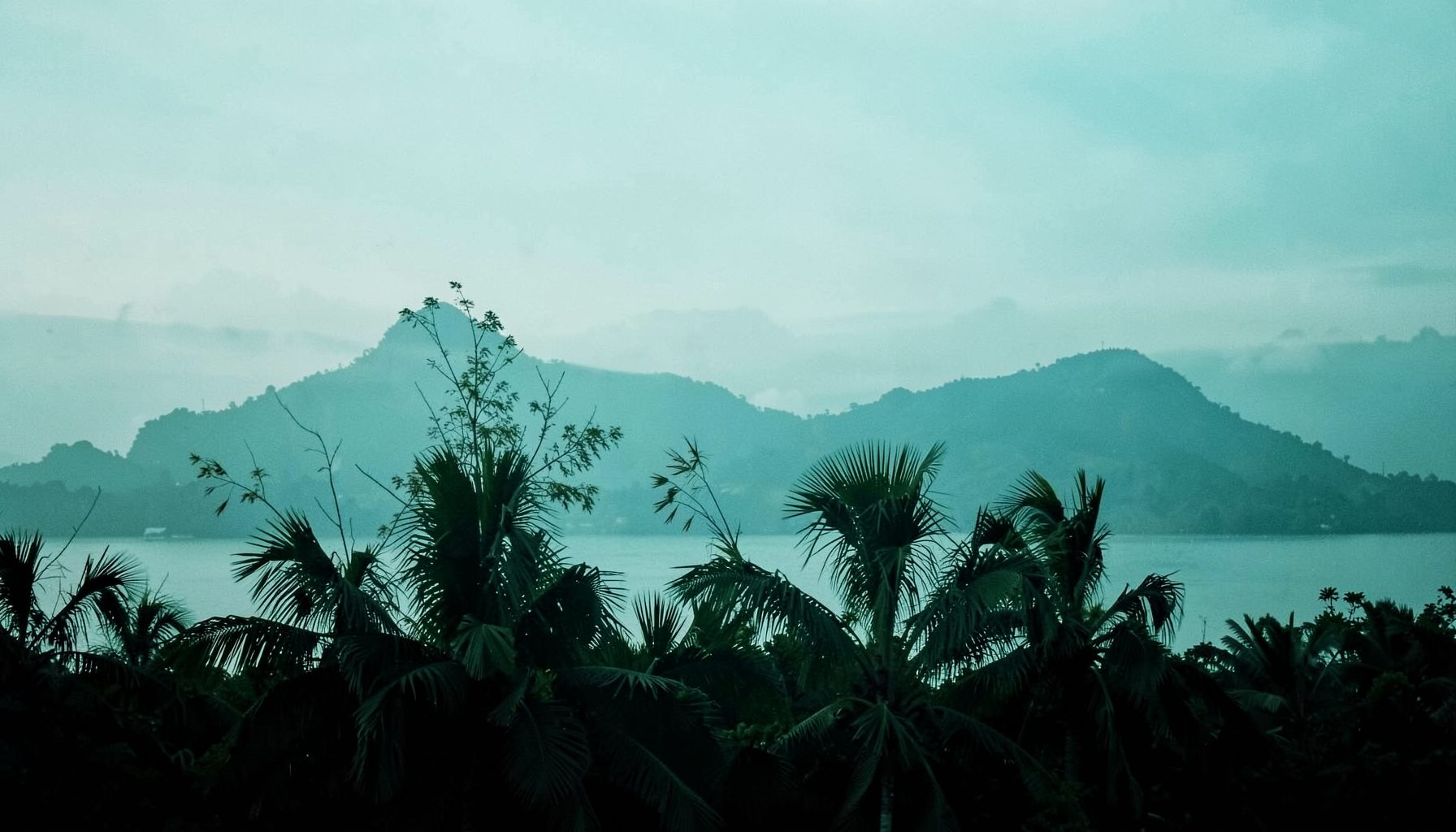
The Twin Lakes of Balinsasayao in Negros Oriental offer a cool, forested escape from the heat and traffic of the coast. Set inside a protected natural park west of Dumaguete, the two crater lakes are surrounded by dense rainforest, steep volcanic slopes and quiet waterways. The area feels far removed from the city, even though it can be visited as a full-day outing.
Balinsasayao and Danao are the best-known lakes, with a smaller body of water, Lake Kabalin-an, also forming part of the landscape. Visitors come for paddleboat trips, short walks, birdwatching, photography and the chance to spend a few peaceful hours in the highlands. The scenery is more about atmosphere than a long list of attractions: mist over the water, calls from the forest and changing light between the trees.
For travellers from Australia, the trip fits naturally into a Negros itinerary based in Dumaguete. Australians arriving from Sydney, Melbourne, Brisbane or Perth will usually need to plan around connecting flights and local transport rather than expecting a direct city-to-lake transfer. A little preparation makes the journey easier, particularly during wet weather when roads can become muddy or uneven.
The lakes are also a useful reminder that outdoor travel in the Philippines works differently from a national-park outing near Melbourne, Canberra or Brisbane. Services may be basic, mobile coverage can be unreliable and cash remains useful in rural areas. Visiting with patience, respectful clothing and sensible footwear helps preserve the experience for residents, guides and other travellers.
Getting there from Dumaguete
Dumaguete is the most practical base for a day trip. The entrance to the natural park lies inland from Sibulan, and the final approach climbs through rural communities, plantations and forest. A private car with a driver is the easiest option for visitors who want a predictable schedule. Local tricycles and motorcycles may also be available, although the price, vehicle condition and return arrangements should be agreed before leaving town.
The journey commonly takes around one to two hours each way, depending on the starting point, traffic and road conditions. The last stretch may be narrow, steep or rough, so a low-clearance rental car is not always comfortable. Unlike Australia, where road users drive on the left, the Philippines drives on the right. Anyone considering a motorbike should be confident with local traffic patterns, wear a helmet and check whether their licence and insurance cover the vehicle.
Some travellers arrange a tour through a Dumaguete hotel, while others hire a local guide or driver directly. A guide can explain the lake ecosystem, help with registration and coordinate a boat, making the visit smoother when signs are limited. Travellers who prefer to compare operators and nearby attractions can browse the Philippine travel directory before building a wider Negros Oriental itinerary.
What to expect at the natural park
Twin Lakes Natural Park is a protected area, so the visit is structured around conservation rather than mass tourism. At the entrance, guests generally register, pay an environmental or admission fee and follow local rules for boats, trails and waste. Charges and operating arrangements can change, especially during holidays or local government updates, so checking locally on the day is sensible.
The principal activity is a boat ride across one of the lakes. Traditional paddleboats or small local vessels provide a slow view of the forested shoreline and steep ridges. The water can appear dark green or blue depending on cloud, depth and reflected vegetation. Boating is usually gentle, but visitors should follow instructions about life jackets, passenger limits and areas where swimming is prohibited.
Short walks around the viewpoint and lake facilities add variety without requiring a demanding trek. Paths can be slippery after rain, and exposed roots or rough steps are common. There may be a small restaurant or refreshment stall, but choices are limited compared with Dumaguete. Bringing a reusable water bottle and a modest packed lunch is practical, while avoiding single-use packaging helps reduce pressure on the park.
A simple day-trip rhythm
Start early from Dumaguete to allow time for transport delays and a relaxed stay beside the lakes. Early morning often brings cooler air and softer light, while cloud can gather over the ridges later in the day. The drive itself is part of the experience, passing through settlements where roadside shops, sari-sari stores, coconut palms and agricultural plots show everyday life beyond the resort areas.
After registration, spend the first part of the visit at the main viewpoint before taking a boat. This gives the group time to understand the layout and choose whether to focus on photographs, wildlife or a quiet circuit of the facilities. A short nature walk after boating can be more comfortable than hiking in the midday heat, particularly for families and older travellers.
Allow enough time for lunch and the return drive rather than trying to combine the lakes with several distant attractions. Valencia, Casaroro Falls or the Red Rock Hot Spring may appear nearby on a map, but roads are slow and conditions vary. Adding too much to the schedule can turn a peaceful highland outing into a rushed series of transfers.
Travellers from Sydney or Melbourne may be used to buying coffee and breakfast early, yet rural Negros operates on a more limited timetable. Eat before departure or carry food from Dumaguete, where bakeries, markets and cafés provide more reliable choices. Australian visitors should also remember that prices quoted in pesos can look inexpensive after conversion to Australian dollars, but fair payment matters in communities where tourism income is seasonal.
Wildlife, weather and responsible behaviour
The forest around the lakes supports birds, reptiles, insects and other native species, though sightings are never guaranteed. Binoculars and a small camera are more useful than loud music or aggressive wildlife searches. Keep voices low near the water, remain on marked paths and never feed animals. The quiet conditions are part of the attraction, so large speakers and disruptive group behaviour are out of place.
Negros Oriental has a tropical climate, with warm conditions at lower elevations and cooler air around the lakes. Rain can arrive quickly, particularly during the wetter months. A lightweight rain jacket, dry bag, insect repellent, sun protection and shoes with firm grip are worthwhile. Australians accustomed to the dry heat around Perth or inland New South Wales may underestimate how quickly tropical rain can affect an unsealed access road.
Pack out wrappers, bottles and wet wipes, and use designated bins when available. Avoid taking plants, shells, rocks or other natural materials. If a drone is part of your photography kit, check local permission requirements before flying; protected landscapes, nearby communities and other visitors’ privacy should take priority over an aerial shot.
The park’s conservation value gives the visit its character. Supporting local boat operators, guides and food vendors helps keep income in the area, while following restrictions protects the watershed and forest. Information about the platform’s community focus and charitable work is available through Salamat Philippines, which directs proceeds from paid listings and selected purchases to the Philippine Red Cross.
Practical planning for Australian travellers
Australians should check passport, airline and entry requirements before departure, then review current travel advice for the Philippines. Travel insurance should cover medical treatment, cancellations and outdoor activities, including motorcycle transport if that is part of the plan. Medicare does not provide comprehensive cover for treatment overseas, so relying on an Australian health card is not enough.
Cash in Philippine pesos remains useful for rural transport, entrance fees, food stalls and small purchases. Cards and mobile wallets are increasingly common in cities, but signal interruptions and limited terminals can make cash essential around the lakes. Carry small notes rather than expecting every driver or vendor to provide change. An Australian habit of tapping a card for every purchase works well in Dumaguete, but less reliably in remote areas.
Australia’s biosecurity rules are strict when returning home. Clean mud from hiking shoes, bags, camera tripods and camping equipment, and declare food, plant material, animal products or other items that may carry soil or pests. Do not pack fruit, seeds or untreated natural souvenirs simply because they were collected legally in the Philippines. Check the Australian Department of Agriculture, Fisheries and Forestry requirements before flying back.
Weather planning should account for Australian school holidays and peak travel periods. Accommodation and flights can cost more around Christmas, New Year and Easter, while wet-season disruptions may affect mountain roads. A flexible booking and an early confirmation with the driver are more useful than a tightly timed itinerary. Local public holidays can also increase demand for transport and boats.
Essentials for a comfortable visit
A short preparation list keeps the day straightforward:
- Reusable water bottle and packed snacks
- Rain jacket, insect repellent and sun protection
- Small cash in Philippine pesos
- Phone power bank and offline map
- Dry bag for cameras and other electronics
A few simple choices make the visit more respectful and safer:
- Use registered local guides, drivers and boat operators
- Follow park instructions and wear a life jacket on the water
- Keep noise low and leave wildlife undisturbed
- Take rubbish back when disposal facilities are limited
Extending the Negros Oriental itinerary
Dumaguete works well for more than a single lake excursion. The city has a lively waterfront, universities, cafés and an evening food scene, while nearby Valencia offers cooler upland surroundings and access to waterfalls and hot springs. Combining the Twin Lakes with a separate day for other inland attractions avoids spending the entire trip in a vehicle.
A stay on Negros can also include coastal areas such as Dauin, known for diving and snorkelling, or Apo Island, where marine wildlife is a major draw. These experiences require different weather and boat considerations, so they should not be squeezed into the same day as the lakes. Keeping inland and coastal activities separate allows enough time for changing conditions and local transport.
Food is another reason to linger in the region. Dumaguete’s market stalls, carinderias and restaurants offer inexpensive Filipino meals, fresh fruit, seafood and familiar international dishes. Visitors from Australia may find casual dining affordable, but hygiene standards and refrigeration can vary between venues. Choose busy stalls with good turnover, drink treated or sealed water and carry any dietary translation notes needed for allergies.
The Twin Lakes are best approached as a nature day rather than a checklist attraction. The pleasure comes from the cool elevation, forest silence, boat ride and views across volcanic terrain. With realistic travel times, responsible habits and a flexible attitude, the outing becomes one of the more memorable ways to experience the quieter side of Negros Oriental.

Get in Touch
Connect with Salamat Philippines on social media or send a message. We'd love to hear from you.
Facebook: /salamatphilippines
Twitter: @salamatphil
Instagram: @salamatphilippines
YouTube: salamat-philippines
LinkedIn: company/salamat-philippines
Email: [email protected]