Discover exceptional hospitality across 18 regions — and give back with every listing.
100% of proceeds to Philippine Red Cross
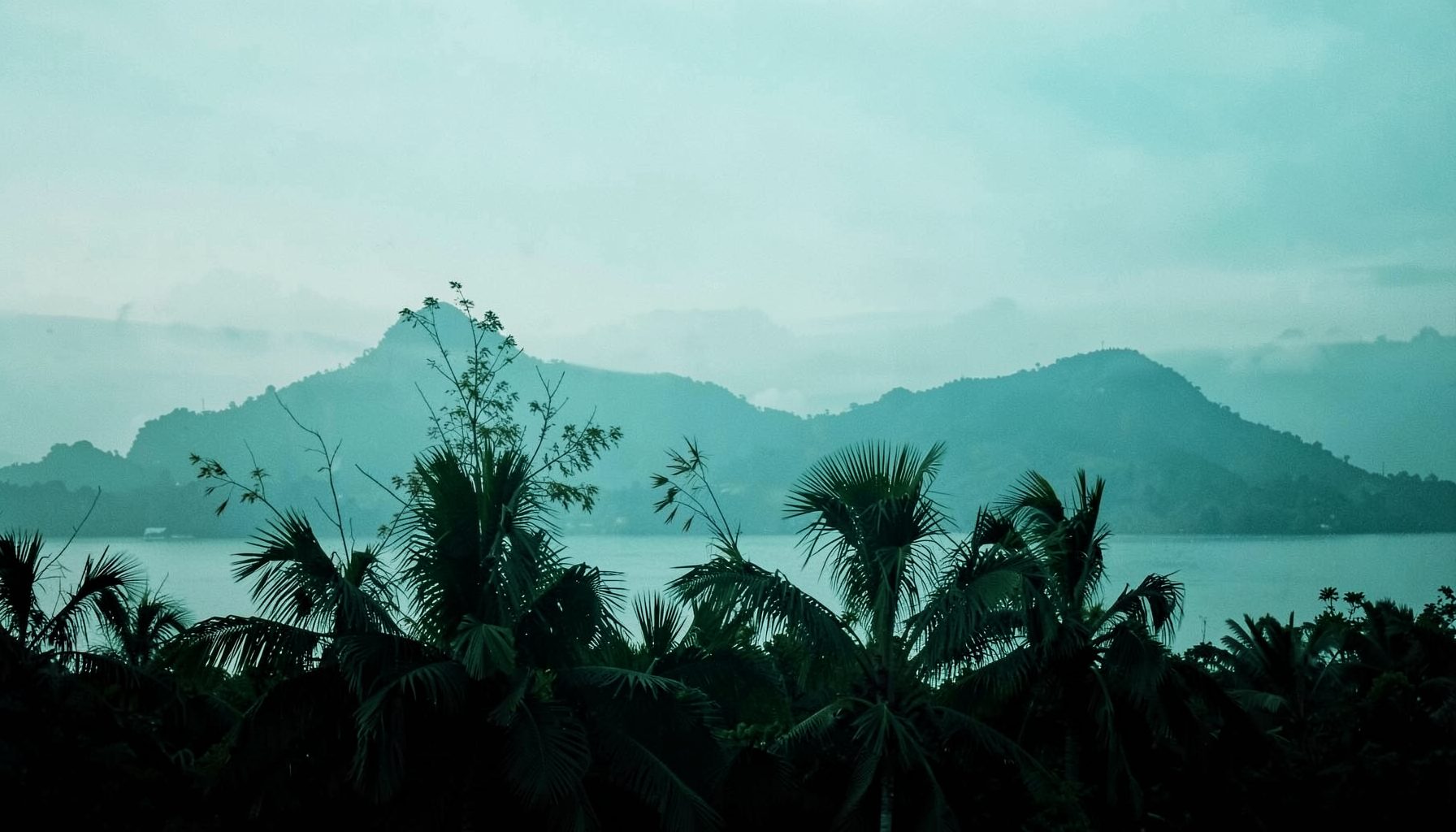
What We Offer
Send Money & Load
- Send Money — free
- Send Load — free
- Ask a Question about the Philippines
Simple, no-cost services for the community.
Business Listings
- Instant Listing — ₱99.00 ($1.99), no expiration
- Free Listing — ₱0.00, unlimited submissions
- Featured Listing — ₱999.00/year ($19.99)
Dining, Lodging, Outdoor Activities, and Nightlife categories.
Philippines Gifts
- Philippines-themed gifts available
- Every purchase supports the Philippine Red Cross
Share a piece of the Philippines with someone special.
Across Every Region
From the rolling hills of the Ilocos Region and the highlands of Cordillera, through the vast Cagayan Valley and the vibrant streets of the National Capital Region, down to the pristine shores of MIMAROPA and the fiery landscapes of Bicol — Salamat Philippines brings together listings that span all 18 regions. Whether you're drawn to Western Visayas, the Negros Island Region, Central or Eastern Visayas, or the southern reaches of Zamboanga Peninsula, Northern Mindanao, Bangsamoro, Caraga, SOCCSKSARGEN, and Davao Region, there is something here waiting to be discovered.
Featured listings have included Herbie's Catering & Events (serving since 2007, phone 0915-3545079, 59 Acapulco), ABC Hotel (phone +63 45 892 2222, Don Juico Avenue), and the BenCab Museum (phone +63 74 442 7165, Km 6 Asin Road). Browse, upvote your favorites, and sign the guest book to say Salamat.
Mount Pulag Sunrise Trek Guide for Australian Travellers
Mount Pulag rises to about 2,922 metres above sea level in northern Luzon, where Benguet, Ifugao and Nueva Vizcaya meet. Its famous “sea of clouds”, mossy grasslands and wide sunrise views make it one of the Philippines’ most rewarding mountain trips. The climb is accessible to reasonably fit travellers, though the altitude, cold and early start deserve serious preparation.
For visitors from Australia, this is a different style of alpine experience from walking in the Blue Mountains, Grampians or Tasmania. The trail is tropical rather than snow-covered, facilities are basic, weather can shift quickly, and local rules may change with little notice. Allow time to organise permits, reach the trailhead and adjust before setting off in darkness.
Choose the right route for your fitness
The Ambangeg Trail is the usual choice for first-time hikers and travellers focused on sunrise. It begins near the Babadak Ranger Station in Benguet and generally takes around four to six hours uphill, depending on fitness, weather, rest stops and group size. The path passes through pine forest before opening into dwarf bamboo, grassland and exposed ridges.
Most hikers spend a night at a campsite or nearby accommodation, then leave around 1.30 am to reach the summit before dawn. The final section is steep in places, but it is manageable when taken slowly. A guide is required, and the exact hiking arrangements are set by the park authorities and local operators rather than by independent visitors.
Other routes, including Akiki and Tawangan, are longer, steeper and more demanding. Akiki is often called the “killer trail” because of its sustained ascent, while Tawangan is known for remote forest scenery. These routes suit experienced trekkers who have several days, strong navigation skills and more tolerance for basic conditions. They are poor choices for a rushed weekend itinerary.
Altitude is an important consideration even though Pulag is lower than Australia’s highest mountain, Mount Kosciuszko. A traveller who regularly walks around Melbourne, Sydney or Perth may still feel breathless because the climb is continuous and the summit is reached quickly after arriving from low altitude. Headache, nausea, unusual fatigue and dizziness should be reported to the guide rather than dismissed as ordinary exertion.
Arrange permits, transport and a realistic schedule
Many visitors travel first to Baguio, the mountain city that acts as a convenient staging point. From Manila, buses usually take several hours depending on traffic, roadworks and weather. A private van or shared transfer then continues through Benguet towards Bokod and the ranger station. Roads become winding and slower as the journey climbs, so a map distance can be misleading.
Park registration, an environmental fee, a briefing and a local guide are generally part of the process. Requirements, costs and visitor limits can change, particularly during peak periods, conservation closures or severe weather. Check current information with the Mount Pulag Protected Landscape authorities, your registered tour operator or the local tourism office before paying a deposit. Bring identification and any required medical clearance.
A sunrise trek is much easier when the itinerary includes a buffer day. A practical plan is to travel from Manila to Baguio, stay overnight, continue to the trailhead the next day, hike before dawn on the following morning and return to Baguio after breakfast. Trying to leave Manila, reach the mountain and begin the climb immediately creates unnecessary stress and increases the chance of missing the briefing.
Australian travellers should also plan around public holidays and school breaks. Philippine long weekends can fill buses, homestays and campsites quickly, much as Easter or the summer school holidays fill popular accommodation around the Great Ocean Road. Cash is useful for small purchases and rural transport, while mobile coverage can be unreliable. Keep digital copies of bookings but do not depend on an internet connection at the ranger station.
Prepare your body and pack for mountain cold
Pulag is often associated with a mild tropical country, yet the summit can feel genuinely cold before sunrise. Temperatures vary with season, wind and cloud, and exposed ridges can become uncomfortable even when Baguio feels pleasant. A lightweight rain jacket, warm mid-layer, beanie and gloves are sensible essentials. Cotton clothing becomes cold when damp, so quick-drying hiking garments are preferable.
Wear shoes with firm grip rather than casual sneakers. The trail can be muddy, slick with pine needles or wet from overnight rain. Trekking poles help with the descent, particularly when visibility is poor. A headlamp with spare batteries is essential because the summit push takes place in darkness; a phone torch is a backup, not a reliable primary light.
Useful items for the overnight hike
- Waterproof jacket, warm layers, gloves and beanie
- Headlamp, spare batteries and a compact power bank
- Two litres of water, electrolyte sachets and easy-to-eat snacks
- Small first-aid kit, personal medication and blister treatment
Food at homestays and camps is usually simple and filling, often featuring rice, eggs, vegetables, soup or meat. Australian visitors used to carrying muesli bars, electrolyte drinks or instant coffee can bring familiar supplies, but avoid overpacking. Porters may be available through local arrangements, though weight, price and availability should be confirmed before the trip.
Allow your body to settle after the long journey. Avoid scheduling a big night out in Manila or Baguio before the hike, and limit alcohol because dehydration makes the climb harder. Anyone with a heart, lung or altitude-related medical concern should obtain professional medical advice before travelling. If symptoms worsen at altitude, descending is the safest response.
Time the summit walk for the best view
The sunrise itself is not guaranteed. Pulag is famous for clouds below the ridge, but fog can also cover the horizon, while rain and strong wind may remove visibility altogether. Guides usually judge the departure time according to the season, campsite location and expected conditions. Bring a warm layer that can be removed after the sun rises, because the temperature changes quickly once you start walking back.
The summit area can become busy during peak weekends. Keep voices low, follow the guide’s instructions and avoid blocking narrow sections while waiting for photographs. A camera or phone should be protected from moisture, and a small dry bag is useful for electronics. The best images often come from staying patient as the light changes rather than rushing from one viewpoint to another.
Plan the rest of the day gently. After descending, most hikers eat, pack and travel back towards Baguio. A long transfer straight to Manila can be tiring, especially if the group has had little sleep. Staying another night in Baguio gives you time for a hot meal, a shower and recovery. It also allows the mountain experience to fit comfortably into a wider Philippine holiday.
If the trek forms part of a longer island journey, avoid placing it between two tightly scheduled flights. For example, travellers combining Luzon with Palawan can compare El Nido stays before committing to a route, then leave room for weather-related changes. Domestic flights and mountain transfers do not always connect as neatly as Australian interstate travel.
Travel respectfully through the protected landscape
Mount Pulag is culturally significant to Indigenous communities, including Ibaloi, Kalanguya and other groups connected with the mountain. Local guides and homestay hosts provide more than logistical help: they bring knowledge of weather, plants, trails and customary behaviour. Listen during the briefing, ask before photographing people and follow instructions about sacred areas or restricted locations.
Stay on marked paths, carry rubbish out and use toilets where provided. Do not pick flowers, collect plants, feed animals or take rocks home. The highland vegetation is fragile and recovers slowly from trampling. A trail that looks like bare grass may be part of a protected ecosystem, so shortcuts for a photograph can cause lasting damage.
Respectful spending also matters. Booking through a legitimate local operator, eating at a community homestay and hiring an authorised guide helps distribute tourism income beyond large transport companies. Small purchases from rural vendors should be fair and courteous; aggressive bargaining over modest prices is unnecessary. In the same spirit, responsible directory platforms and community services can help travellers find local businesses while supporting wider Philippine causes.
Simple habits that protect the mountain
- Follow the assigned guide and remain with the group
- Keep noise low at campsites and the summit
- Carry every wrapper, tissue and plastic bottle back out
- Ask permission before taking close-up photos of residents
The mountain rewards patience more than speed. A safe, well-organised trek may mean accepting a later arrival, a cloudy summit or a revised route after a weather warning. Those decisions protect hikers and the landscape while preserving the experience for future visitors. With the right clothing, a flexible itinerary and respect for local guidance, watching dawn spread across the Cordillera can become one of the most memorable parts of a Philippine journey.
Get in Touch
Connect with Salamat Philippines on social media or send a message. We'd love to hear from you.
Facebook: /salamatphilippines
Twitter: @salamatphil
Instagram: @salamatphilippines
YouTube: salamat-philippines
LinkedIn: company/salamat-philippines
Email: [email protected]